
Brief Psychological Support for ‘Personality Disorders’: No Shortcut Found
A large UK randomised trial evaluated Structured Psychological Support (SPS), a brief, up‑to‑10‑session intervention for people with probable personality disorders. The study found SPS did not improve social functioning compared with enhanced treatment‑as‑usual and was not cost‑effective for the NHS. Small statistical gains were seen in emotional regulation and global improvement, but these did not translate into reduced self‑harm or broader mental‑health benefits. The authors conclude that longer‑term therapies remain the gold‑standard for this population.

CBT for Depression in Primary Care: Gold Standard, or One Option Among Many?
A systematic review and meta‑analysis of 44 randomized trials involving more than 10,000 primary‑care patients evaluated cognitive‑behavioural therapy (CBT), behavioural activation and cognitive therapy for depression. The therapies outperformed inactive controls, but the pooled effect was modest (g≈0.44). Direct comparisons...

Lifestyle Interventions for Severe Mental Illness: Time to Deliver
The Lancet Psychiatry Physical Health Commission released its third report, focusing on implementing lifestyle interventions for people with severe mental illness (SMI). The review identified 89 studies—predominantly from high‑income nations—showing that physical activity, nutrition, smoking cessation, and sleep programs improve...

Targeting Inflammation in Depression: A Proof-of-Concept Worth Following
A proof‑of‑concept randomized trial examined a single intravenous dose of tocilizumab, an IL‑6 receptor blocker, in 29 adults with treatment‑resistant major depressive disorder and low‑grade inflammation (CRP ≥ 3 mg/L). The drug safely reduced CRP levels, but the primary outcome—somatic depression symptoms—did not...

Can Stronger Social Connections Really Help Reduce Depression?
An umbrella review of 12 systematic reviews examined natural social‑connection interventions and their impact on depression. The analysis identified three intervention categories—social network/support, social engagement, and social inclusion—and evaluated their effectiveness across age groups. Face‑to‑face social‑engagement programmes produced the strongest...

Should We Treat Trauma in Personality Disorder Even without a PTSD Diagnosis?
A Dutch multicentre randomised controlled trial examined whether eye‑movement desensitisation and reprocessing (EMDR) can alleviate trauma‑related symptoms in adults diagnosed with personality disorders, regardless of PTSD status. The study randomised 159 participants to ten 90‑minute EMDR sessions over five weeks...

How Sleep Changes Across Later Life, and What It Means for Mental Health
Researchers analyzed wrist‑accelerometer data from 77,093 UK Biobank participants aged 44‑82, establishing normative reference values for sleep duration, timing, and daytime activity. They found that men generally sleep about 17 minutes less than women, especially before age 60, while older...

Chronic Pain in Mental Disorders: A Widely Overlooked Comorbidity
An umbrella review of 20 systematic reviews and large primary studies covering over 950,000 individuals with mental disorders found chronic pain to be highly prevalent across psychiatric conditions. Rates range from 23.7% in bipolar disorder to 53‑65% in depression and...

MDMA-Assisted Therapy for Depression: A Promising but Early First Step
A small open‑label proof‑of‑principle study examined MDMA‑assisted therapy in 12 adults with moderate‑to‑severe major depressive disorder. Participants received two MDMA dosing sessions spaced a month apart together with nine psychotherapy sessions. At two months, 75% of participants achieved remission and...

A Stitch in Time: Early Intervention for Young People – Promising but Patchy Evidence
Two recent NIHR Policy Research Unit reviews examined complex early‑intervention programmes for mental health in people aged 11‑25. The umbrella review of 21 systematic reviews found strongest evidence for psychosis and eating disorders, while noting gaps for depression, anxiety and...

Can Group Singing Offer Lasting Relief From Postnatal Depression?
A Wellcome Trust‑funded randomised trial evaluated "Melodies for Mums," a community‑singing programme for postnatal mothers. 133 mothers received ten weeks of weekly group singing while 66 controls were sign‑posted to non‑musical groups. The study found no early difference, but depressive...

In the Land of the Unblind: Are Psychedelics Really Better than Antidepressants?
Recent meta‑analysis comparing psychedelic‑assisted therapy (PAT) with open‑label antidepressant trials finds no clinically important difference in depression outcomes. While early PAT studies suggested larger effects, the analysis shows that functional unblinding limits any advantage, and open‑label antidepressants marginally outperform blinded...

Spotting Teen Depression: What Brazil, Nepal and Nigeria Can Teach Us
A new cross‑cultural qualitative study examined how adolescent depression is recognized in Brazil, Nepal and Nigeria, interviewing 153 teens and 31 stakeholders. The research identified five core themes: limited awareness, the critical role of parents and teachers, pervasive stigma, the...

Scrolling for Answers: How Reliable Is Mental Health and Neurodivergence-Related Information on Social Media?
A systematic review of 27 studies examined the accuracy of mental‑health and neurodivergence content across major social‑media platforms. The analysis of over 5,000 posts found misinformation rates ranging from 0% on YouTube Kids to 35% on TikTok, with YouTube generally...
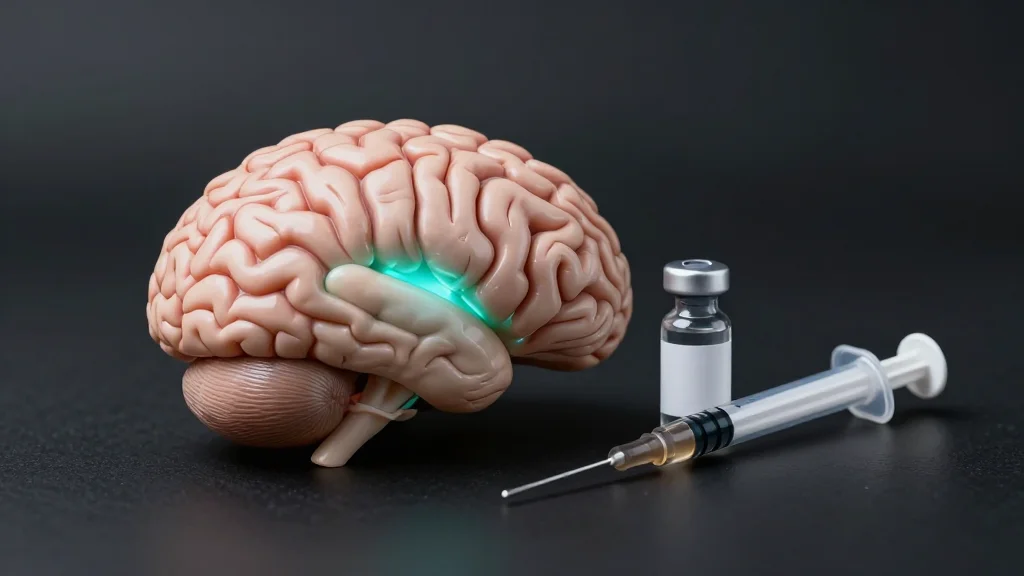
Can Positive Expectations Tune the Immune System?
Researchers conducted a preregistered, double‑blind RCT with 85 healthy adults to test whether fMRI neurofeedback can boost reward‑related brain activity and affect immune response to a hepatitis B vaccine. Participants who learned to up‑regulate the ventral tegmental area (VTA) showed a...