
Do We Think Too Much About the Future?
In his May 8, 2026 Open Questions column, Joshua Rothman argues that for most of human history people largely ignored attempts to predict the future, suggesting that modern preoccupation with forecasting may be misguided. He contrasts ancient humility with today’s data‑driven obsession, warning that over‑planning can blind leaders to present realities. The essay invites readers to reconsider the value of uncertainty in personal and corporate decision‑making.
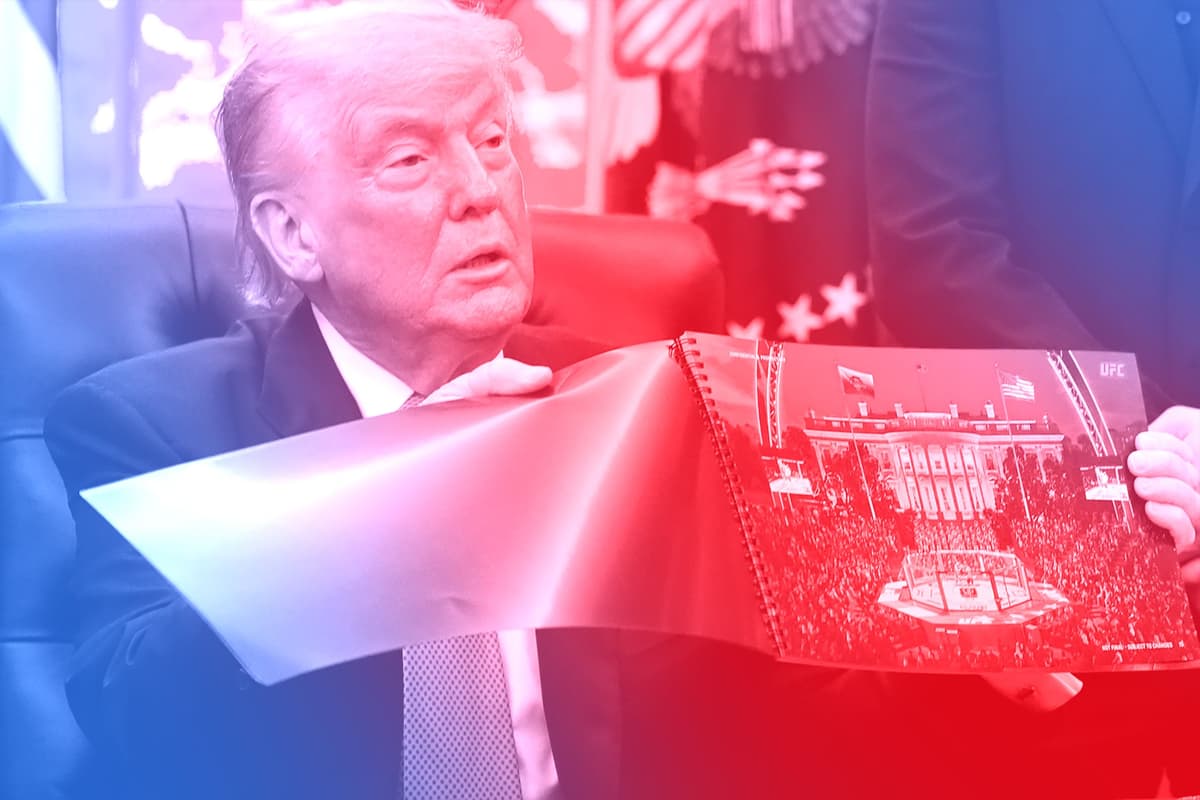
All the President’s Contractors
President Donald Trump has turned Washington’s iconic landmarks into personal construction projects, from sandblasting the Reflecting Pool and coating it in “American Flag Blue” to commissioning a new ballroom in the East Wing funded by a $1 billion security earmark. He...

The Met Gala, “The Devil Wears Prada 2,” And the State of Style
The 2026 Met Gala was co‑chaired by Jeff and Lauren Bezos, who contributed roughly $10 million and helped keep ticket prices at $100,000 per seat. The event’s opulent display coincided with a discussion of the sequel to *The Devil Wears Prada*, which...
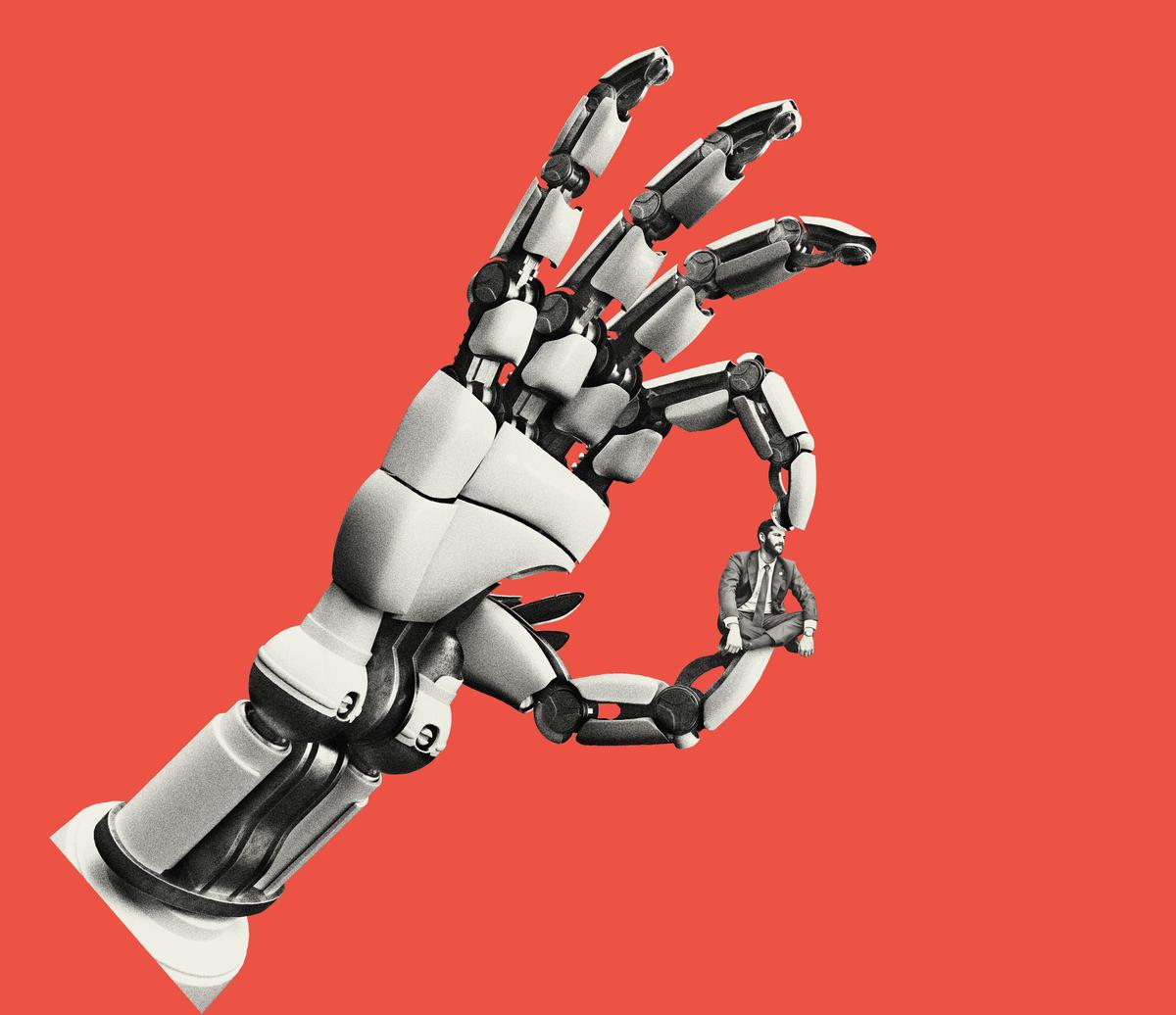
How a Congressional Primary Became a Proxy Battle Over A.I.
Alex Bores, a New York Assemblyman with a computer‑science degree, is campaigning for the 12th Congressional District seat and uses Anthropic’s Claude chatbot to rehearse debates. He championed the RAISE Act, a modest AI‑safety bill requiring transparency and audit protocols...

Kash Patel’s Strategic, Frivolous Lawsuit Against The Atlantic
Former Trump aide Kash Patel has filed a $250 million defamation lawsuit against The Atlantic, alleging the magazine falsely reported that he was intoxicated on duty and engaged in other misconduct. The case, highlighted by The New Yorker’s general counsel Fabio Bertoni,...

I Have No Idea Why My Daughter Doesn’t Talk to Me
The New Yorker’s essay “The Scandal of the Sharenting Economy” spotlights the rapid rise of kid‑influencers who turn childhood moments into lucrative digital content. It details how parents monetize their children’s lives on platforms like Instagram, TikTok and YouTube, generating...

Harriet Clark’s Début Is a New Kind of Coming-of-Age Novel
Harriet Clark’s debut novel *The Hill* offers a stark, new twist on the coming‑of‑age genre, tracking young Suzanne’s routine trips to a hilltop prison where her mother serves a long sentence for a fatal 1981 Brink’s robbery. Clark, herself the...
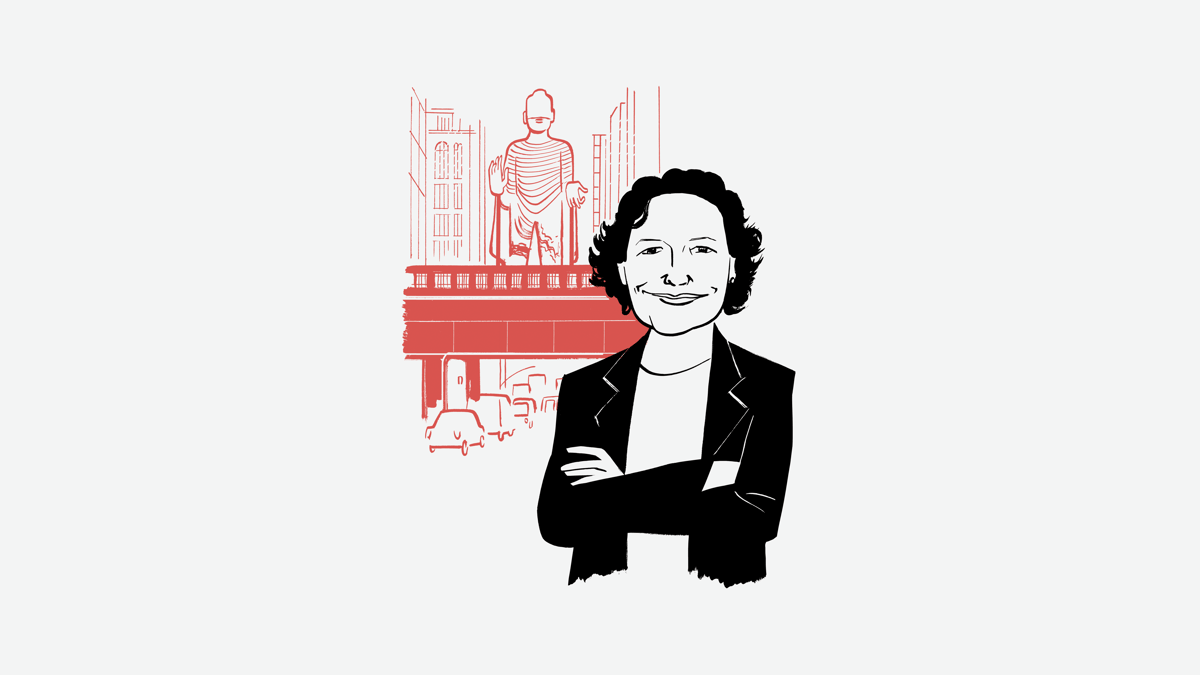
On the High Line, Buddha Is the New Giant Pigeon
In 2024 Colombian artist Iván Argote installed a hyperrealistic giant pigeon sculpture called “Dinosaur” on the High Line’s Spur, drawing more than 5,000 visitors and sparking a National Pigeon Appreciation Day. A petition of 7,000 people tried to stop its...

Chang-Rae Lee on What Childhood Was Like in 1976
Chang‑rae Lee discusses his forthcoming novel A Tender Age, slated for August 2026, and the excerpted story “Standings,” which follows ten‑year‑old immigrant Jeon‑Gi in a 1976 New York apartment complex. The interview highlights how the era’s unsupervised, street‑level childhood shapes the narrative, contrasting...

The Furious Moral Clarity of Lucrecia Martel
Lucrecia Martel’s first nonfiction feature, *Our Land*, chronicles the 2009 murder of Indigenous activist Javier Chocobar and the protracted legal battle that followed, using archival video, courtroom footage, and community interviews. The film juxtaposes sweeping drone shots of Tucumán with intimate...

The N.B.A. Legend Steve Kerr
Steve Kerr, former Chicago Bulls guard turned Golden State Warriors head coach, has amassed four NBA championships and a record‑breaking 73‑win season in 2016. He also led the U.S. men’s basketball team to Olympic gold in 2024. Beyond the court,...

The Kirkification of Our Troubled Times
The death of right‑wing activist Charlie Kirk sparked a wave of AI‑generated "Kirkslop" memes that remix his image with everything from pop‑culture icons to political symbols. Pro‑Iran groups like Akhbar Enfejari leveraged the same AI‑Lego style to flood social platforms...
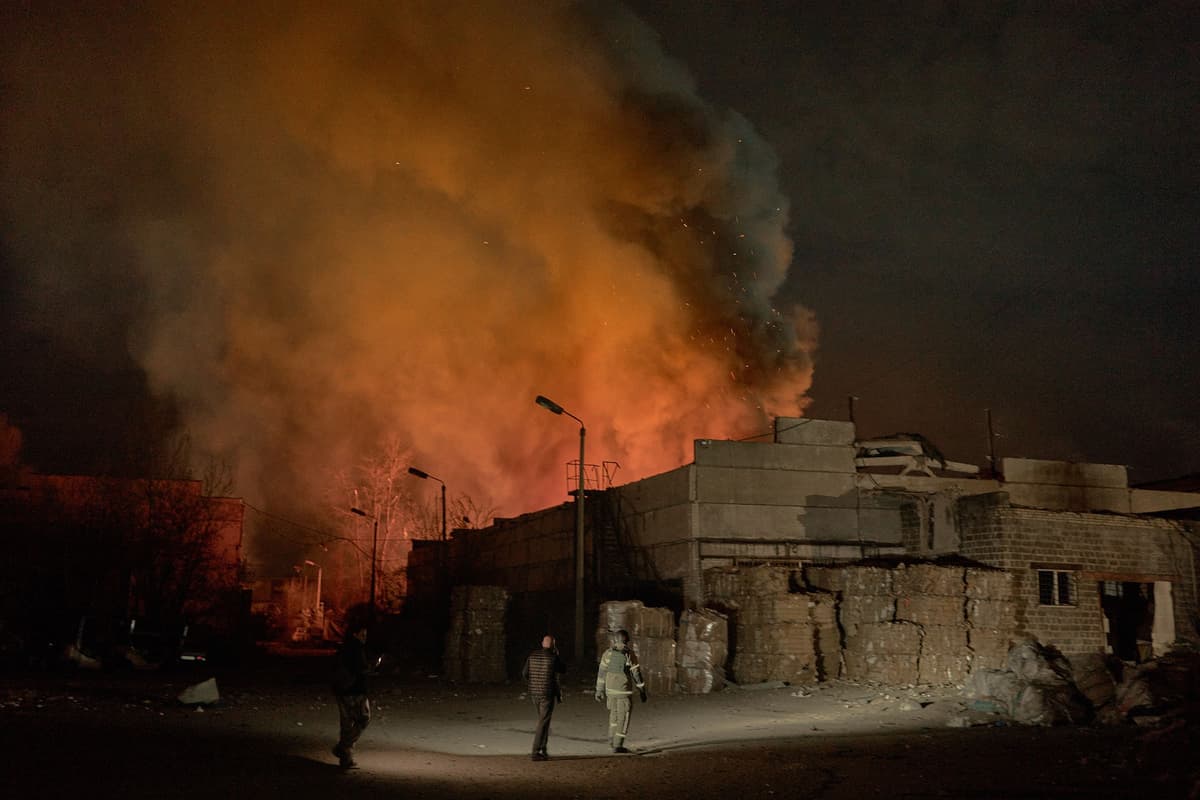
How Putin and Zelensky View the War in Iran
President Zelensky warned that U.S. focus on the Iran war is diverting Patriot interceptors, deepening Ukraine's air‑defense shortfall. The Iran conflict has sent oil prices soaring, boosting Russia's oil revenue to roughly $19 billion and amplifying global economic turbulence. Moscow is...
Donald Trump’s Lose-Lose Negotiations with Iran
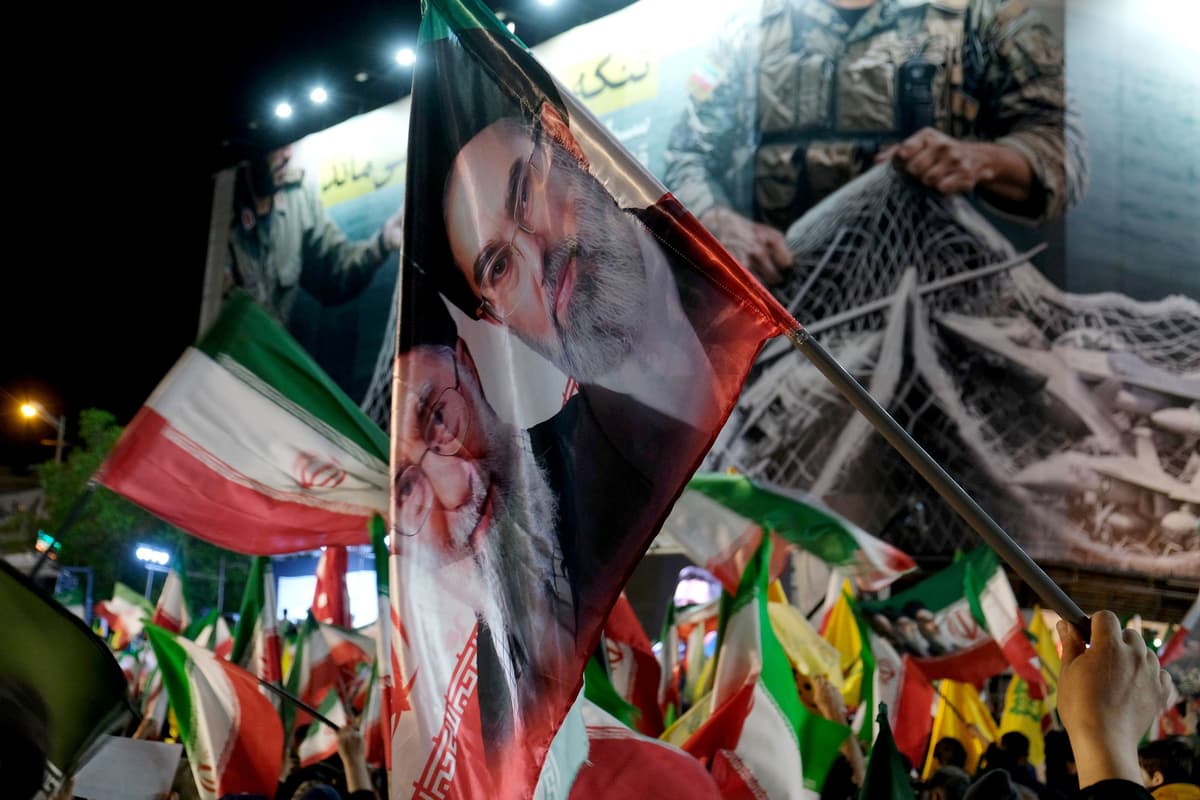
President Donald Trump scrapped a planned Islamabad delegation, leaving U.S. and Iranian negotiators stuck in a deadlock over the Iran‑U.S. war. Tehran’s oil sales to China give it a two‑to‑three‑month cushion, but the U.S. blockade and a fragile cease‑fire keep...
Donald Trump’s Economic Warfare Abroad Comes Home
A series of op‑eds and analyses detail how Donald Trump’s unilateral Iran war strategy has exposed strategic, logistical, and moral failures. The conflict depleted U.S. missile inventories, strained relations with China, and sparked volatile oil markets that benefited a handful...