
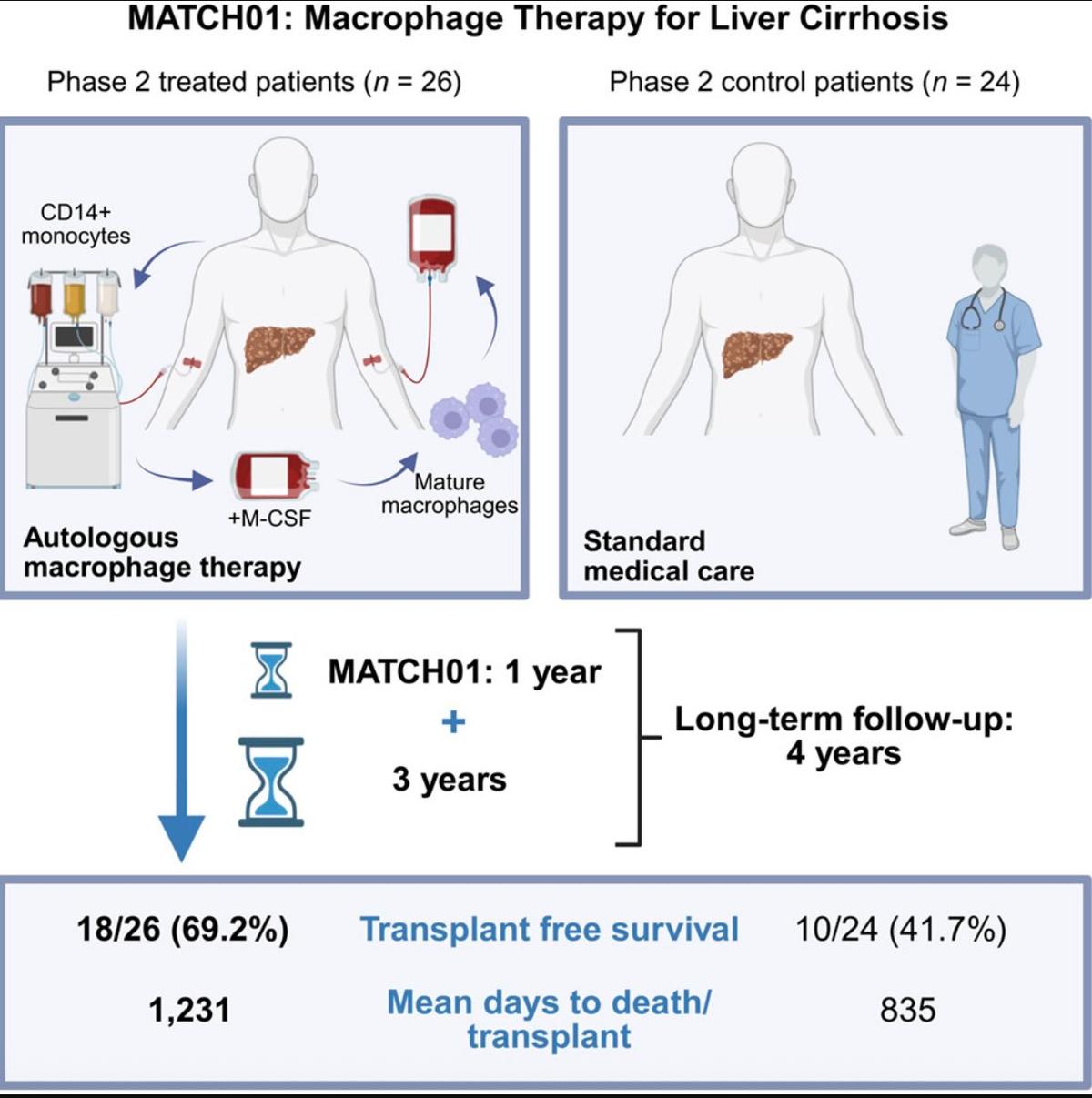
Weekly Reads: Macrophage Therapy, Putin Longevity Push, Human Embryo Base Editing
Recent Cell Stem Cell publication reports that autologous macrophage therapy improved transplant‑free survival in cirrhosis patients during long‑term follow‑up of a phase 2 trial. The study links survival benefits to stabilization of pro‑inflammatory cytokines, though the small sample size cautions broader conclusions. Meanwhile, Russia’s president has earmarked $26 billion for a national longevity program, and biotech firms are accelerating whole‑body rejuvenation efforts. In parallel, researchers achieved unprecedented precision in base‑editing human embryos, sparking both scientific excitement and ethical debate.
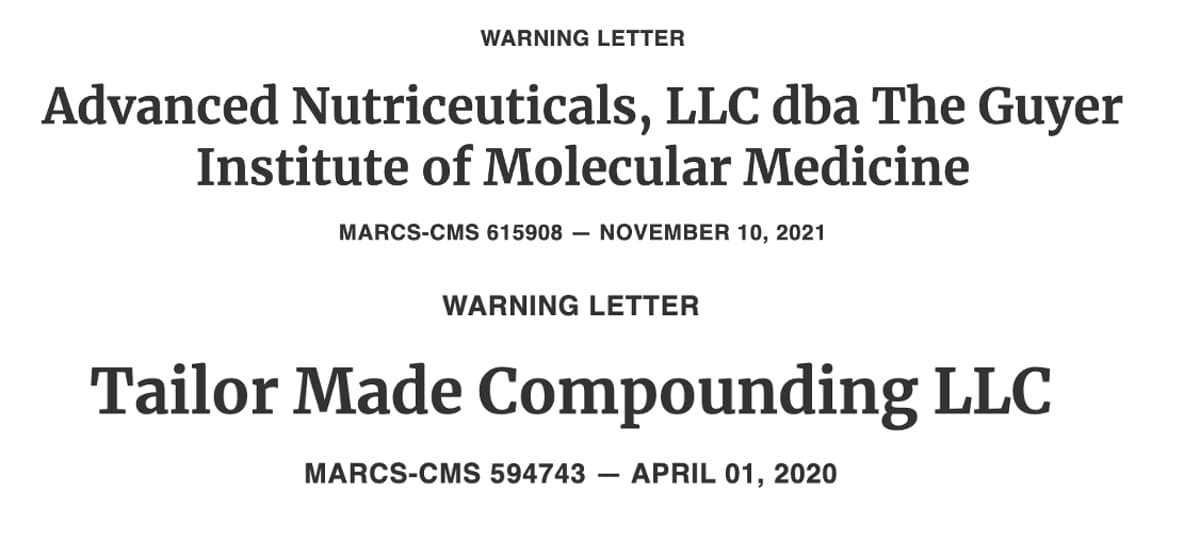
The FDA & Compounding Pharmacy Telehealth Connections on Pop Peptides
The FDA is poised to revisit its stance on compounding pop peptides such as Ipamorelin and BPC‑157 after a committee meeting influenced by RFK Jr. advocates. For years, wellness influencers and telehealth platforms have marketed these unapproved substances, linking patients to...
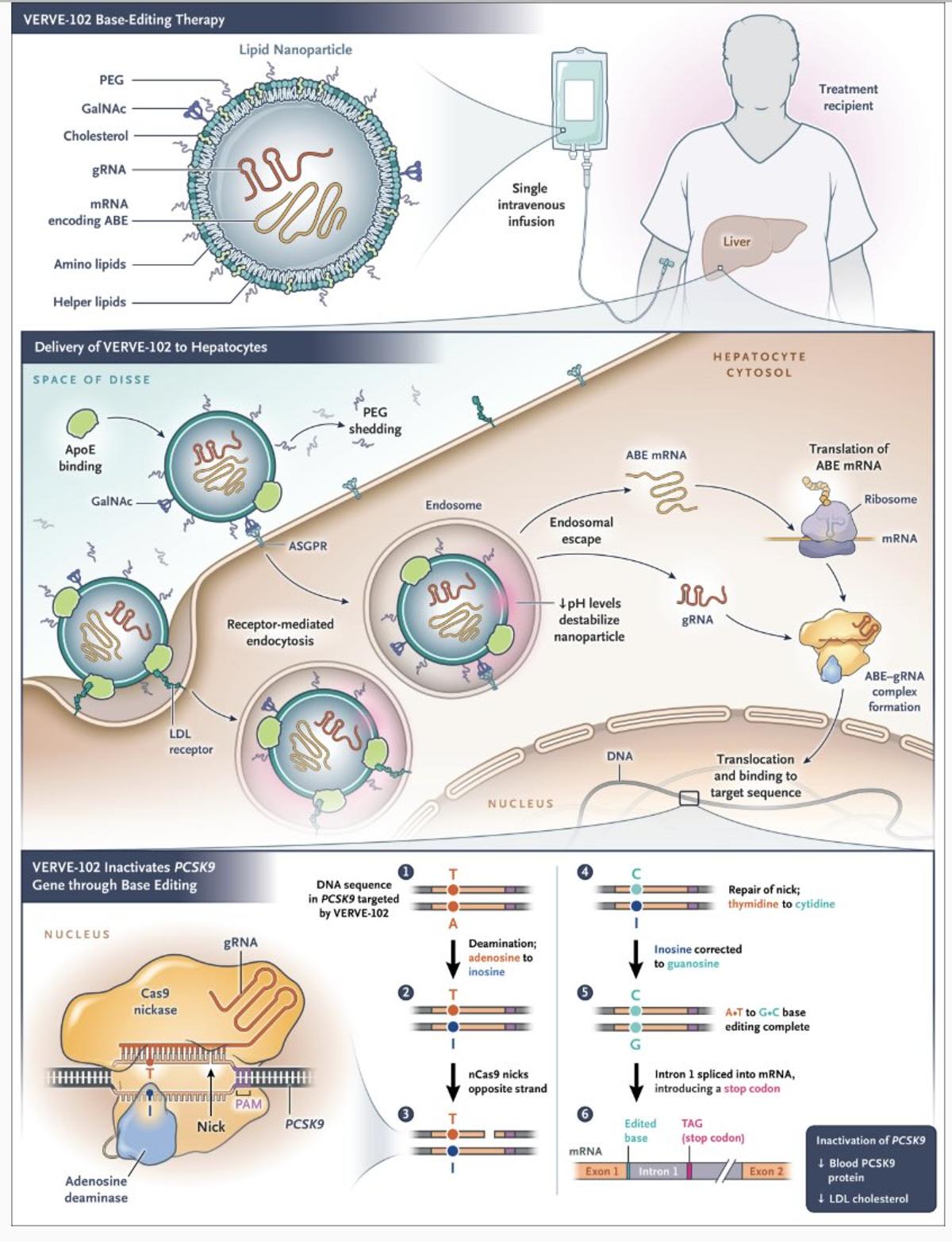
Weekly Reads: Effective LDL Gene Editing, Chinese Genetics Guidelines, Human Embryo Models in Space
A single‑infusion base‑editing drug (VERVE‑102) lowered LDL cholesterol in a small human study, sparking talk of a potential one‑time cure for high cholesterol. Parallel research unveiled universal transcriptomic aging clocks that can forecast mortality, advancing precision longevity metrics. Meanwhile, China...

FDA’s Megha Kaushal ASGCT Talk: PFDD, Patient Voices, Decision-Making
At the 2026 ASGCT meeting, FDA Acting Deputy Director Megha Kaushal highlighted the agency’s Patient‑Focused Drug Development (PFDD) initiative, urging early integration of patient and caregiver input into cell and gene therapy trials. She emphasized that families’ lived‑experience data should inform...
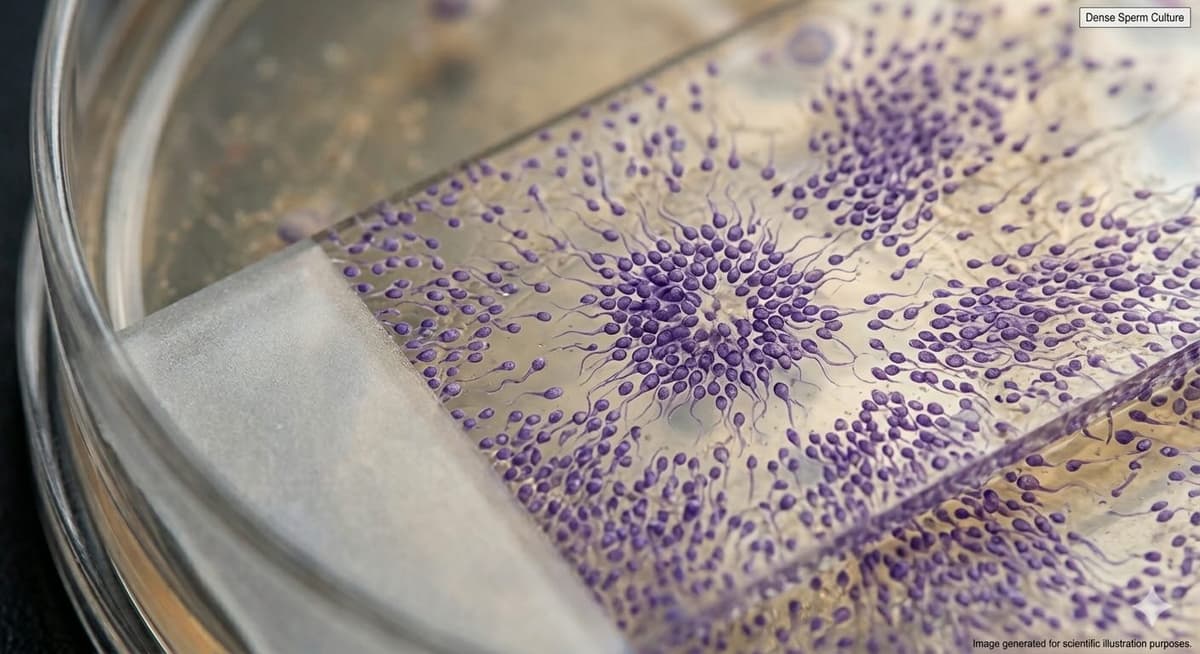
Weekly Reads: Lab-Grown Sperm, Stem Cell Pills, Intranasal EVs, EMF Cell Paper Doubts, Makary Toast?
A Wired report says Paterna Biosciences has produced human sperm in the lab using stem‑cell techniques, suggesting in vitro gametogenesis could soon enable fully lab‑derived embryos. At the same time, a South Korean study claiming magnetic control of genes is under...
Katherine Szarama, PhD, Named Acting CBER Director: Who’s Next?
Vinay Prasad stepped down as director of the FDA's Center for Biologics Evaluation and Research (CBER), and Katherine Szarama, PhD, was named acting director. Szarama, a biologist with prior experience as CBER deputy director and stints at CMS, Emerson Collective...
Weekly Reads: $1B+ Neurona Acquisition, Cells + Organs = Better Transplant?, DAXX in Germ Cells, KRAS
UCB announced a strategic acquisition of Neurona Therapeutics for over $1 billion, including a $650 million cash payment. The deal brings Neurona’s lead cell‑therapy candidate NRTX‑1001, a line of engineered inhibitory interneurons targeting drug‑resistant epilepsy, into UCB’s pipeline. The acquisition signals UCB’s...
Weekly Reads: Prasad Successor, Sammy Hagar Stem Cells, More on OSK Trial, Finnish Speaker Needed
Vinay Prasad is set to leave his role as head of the FDA's Center for Biologics Evaluation and Research (CBER within two weeks, prompting speculation about the agency’s future direction. A new flexible oversight framework for rare‑disease gene and cell therapies...
Weekly Reads: Federal Stem Cell Charges Disappear, SCBEM Ethics, Diet & MYCN Cancer, How to Make a Nose
The article examines the abrupt dismissal of former South Carolina lawmaker Stephen Goldfinch’s federal stem‑cell charge, underscoring the uneven enforcement of unapproved cellular therapies. It contrasts this with a pending federal indictment targeting peptide manufacturers, especially BPC‑157, highlighting regulatory blind...

Landmark Federal Indictment for Pop Peptides Alleged ‘Scheme’ Even as RFK Jr. May Soon Un-Ban Some
A federal grand jury indicted Dr. Justin Watkins, owner of Utah's TruHealth Clinic, for relabeling Chinese‑manufactured peptides and selling them to more than 200 patients without disclosing the source or FDA status. The indictment alleges that the clinic repackaged the...

Weekly Reads: 1st FDA-Approved CIRM Supported Therapy, Asymmetric Histone Inheritance, Stem Cell Retraction
The FDA has granted approval to KRESLADI, a gene‑editing therapy from Rocket Pharmaceuticals that treats severe leukocyte adhesion deficiency‑I (LAD‑I) in children without a matching bone‑marrow donor. This marks the first FDA‑approved product directly funded by California’s Institute for Regenerative...

Weekly Reads: Gattaca Stack, Animal Sacks, Custom iPS Cells, ImmunityBio FDA Warning, Mouse Cloning Limit
Weekly reads highlight several frontier biotech developments. The Gattaca Stack, a new database, tracks firms working on embryo models and artificial‑womb technologies. R3 Bio’s stem‑cell “organ sacks” aim to replace animal testing and could evolve into human organ bags, while...

FDA Investigating: US Patient Dies After Use of Placental Extract Laennec, Russian Med Student Also Died
The U.S. Food and Drug Administration has opened an investigation after a patient died following self‑injection of Laennec, an allogeneic placental extract imported from Japan. A similar fatality occurred in Russia involving health influencer Anna Kolyada, whose companion fell seriously...
Weekly Reads: Support Brain Tumor Work, Prasad Is Out (Again), Genetic Conditions, Texas AG, Immunotherapy Paper, SCBEM
The newsletter urges donations to support a lab studying lethal childhood glioma, noting NIH grant success rates of only 4‑5%. It reports FDA biologics chief Vinay Prasad’s second departure, a rare leadership turnover that could affect approval stability. Additional highlights...

Early Encouraging UC Davis Trial Data on Cell Therapy for Spina Bifida
A first‑in‑human phase 1 trial at UC Davis evaluated placental mesenchymal stem cells delivered intra‑uterinely to fetuses with myelomeningocele. Six pregnancies treated between June 2021 and December 2022 resulted in intact repair sites, no cerebrospinal fluid leaks, infections, or tumor formation, and MRI scans...