
Recent Posts

News•Feb 25, 2026
How the Uyghur Forced Labor Prevention Act Impacts Retail
The Uyghur Forced Labor Prevention Act (UFLPA) now forces U.S. retailers to prove that imported goods are free of forced labor, shifting the evidentiary burden to importers. Within its first year of enforcement, Customs and Border Protection detained more than $1 billion in merchandise linked to Xinjiang or listed entities. Importers have roughly 30 days to submit clear, convincing evidence, or face prolonged detentions, penalties, and reputational damage. Retailers are therefore urged to adopt proactive supply‑chain mapping and documentation before shipments reach the border.
By Total Retail
News•Feb 25, 2026
The Multimillion Dollar Mistake: Why the Technology Business Case Isn’t a Strategy
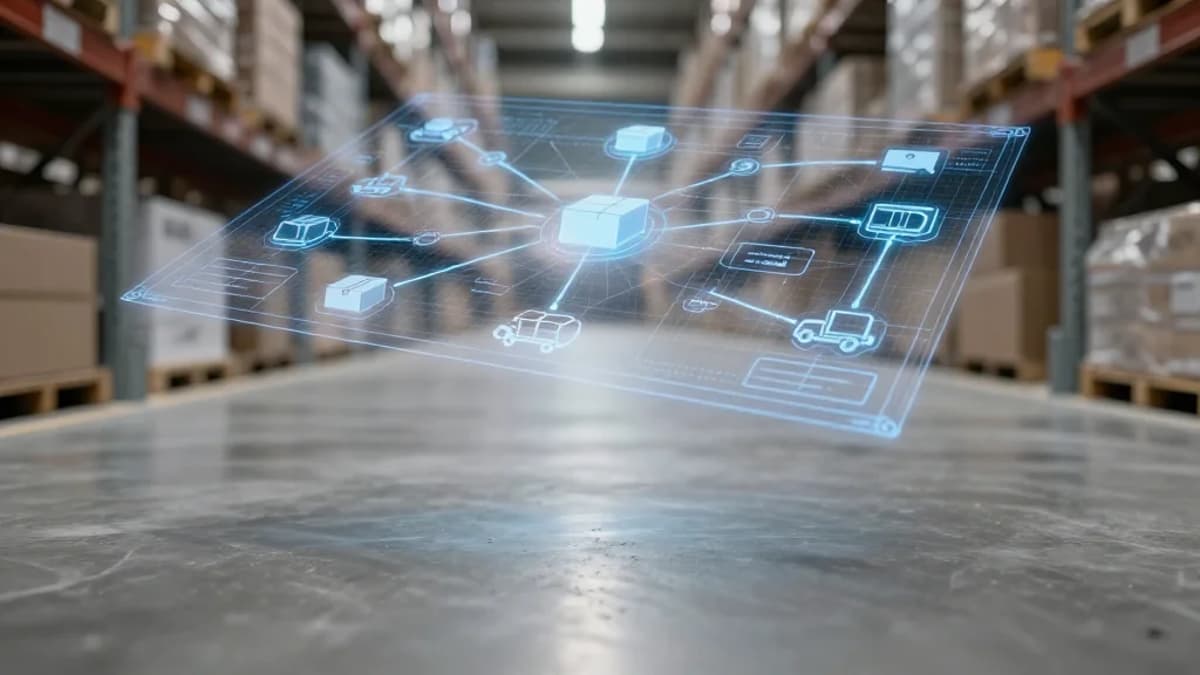
Retail and e‑commerce leaders are repeatedly overspending on warehouse and fulfillment platforms because they mistake a technology business case for a supply‑chain strategy. Vendor‑supplied ROI models promise payback in 12‑18 months but ignore data quality, process complexity, and organizational readiness....
By Total Retail

News•Feb 24, 2026
Here’s Who Will Win as Agentic Commerce Disrupts Traditional Online Shopping
Agentic commerce, powered by large‑language‑model agents, is reshaping e‑commerce by making AI the primary buyer. Adobe reports a 693.4 percent surge in AI‑driven traffic during the 2025 holiday season, indicating a lasting shift. Retailers must supply structured, trustworthy product data, real‑time...
By Total Retail

News•Feb 24, 2026
Retail’s AI Isn’t Failing Because It’s Too Slow. It’s Failing Because It’s Not Listening
Retailers have flooded their tech stacks with AI dashboards and predictive models, but the overload has amplified uncertainty rather than clarity. The core issue isn’t speed; it’s that most AI relies on synthetic personas, which 69% of consumers say erodes...
By Total Retail
News•Feb 23, 2026
What Amazon’s Big-Box Move Means for Retail Media and Brands
Amazon is opening its largest ever big‑box store, a move framed as a physical challenge to Walmart and Costco but primarily a data play. The new footprint expands Amazon’s ability to observe shopper behavior, serve retail media ads, and claim...
By Total Retail

News•Feb 23, 2026
AI-Powered Video Analytics: A Force Multiplier for Retail Security and Operations
Retailers are rapidly adopting AI‑powered video analytics to strengthen loss‑prevention and streamline operations. The technology automatically flags suspicious behavior, recognizes license plates linked to organized retail crime, and provides searchable video clips via natural‑language queries, cutting investigation time dramatically. Integrated,...
By Total Retail

News•Feb 18, 2026
Retail CX Has a Signal Problem
Retail CIOs are confronting a growing "signal problem" as fragmented communication channels undermine customer experience and AI initiatives. Research shows 64 percent of retailers plan to modernize their communication systems to meet consumer expectations for instant, accurate information. Misaligned data streams...
By Total Retail

News•Feb 18, 2026
Flexibility Matters: Why Traditional Hiring Cycles Won’t Cut It for Today’s Retailers
Retailers face massive seasonal spikes, with November‑December sales representing about 20% of annual revenue and holiday sales projected to exceed $1 trillion in 2025. Meeting this demand requires a broad mix of talent—from supply‑chain managers to digital marketers—beyond traditional in‑store staff....
By Total Retail

News•Feb 18, 2026
Stop Fighting Returns, Start Using Them to Build Loyalty
Retailers face $850 billion in US returns in 2025 and a projected $954 billion global market by 2029, yet many still view returns as a cost center. The article argues that turning returns into effortless, proactive experiences can reduce volume, protect margins,...
By Total Retail
News•Feb 16, 2026
Automate, Augment, Simulate: How Retailers Are Building Resilient Supply Chains for 2026
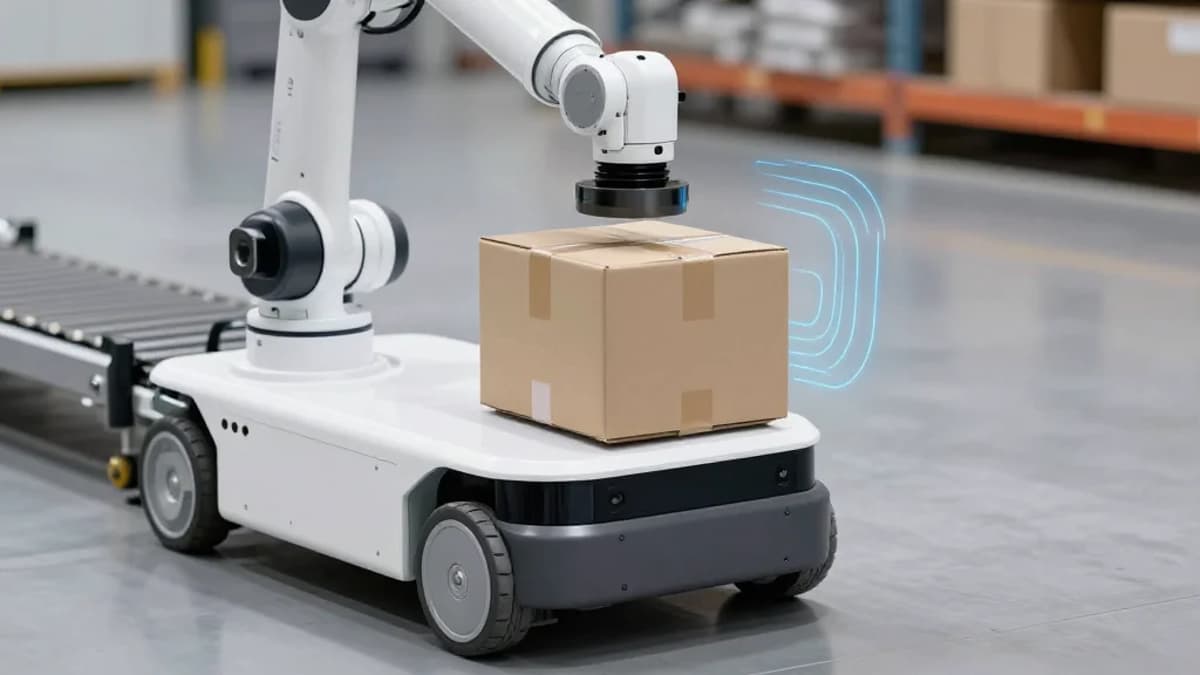
Retail supply chains face chronic labor shortages, rising costs and heightened customer expectations, prompting a shift toward technology‑driven models. By 2026, automation will move from advantage to requirement, with feasibility assessments guiding investments in robotics and AI. Simultaneously, AI‑enabled workforce...
By Total Retail

News•Feb 16, 2026
Your Retail Media Network Isn’t a Network — and What to Do About It
Retail media is booming, but most so‑called retail media networks are merely on‑site ad products. True networks demand off‑site reach, unified cross‑channel measurement, and first‑party data activation, a capability only a few retailers like Walmart and Amazon currently possess. The...
By Total Retail

News•Feb 11, 2026
Serendipity Meets Strategy: 4 Trends Reshaping Thrift Retail in 2026
The global secondhand apparel market is projected to hit $367 billion by 2029, outpacing the broader apparel sector. Brick‑and‑mortar thrift stores will still generate over 70% of resale revenue, with shoppers spending four to five times more per visit than online....
By Total Retail

News•Feb 11, 2026
Turning Uncertainty Into Opportunity: Modernizing Retail Finance to Navigate Inflation, Interest Rates and Currency Volatility
Retail finance leaders are grappling with volatile interest rates, persistent inflation, and a weakening dollar, which together strain cash flow and margin stability. To survive, finance teams must shift from reactive bookkeeping to proactive portfolio‑management tactics, using scenario modeling and...
By Total Retail

News•Feb 10, 2026
Retail in the Age of AI Is Eligibility, Not Competition
Retail is moving from a competition‑based model to an eligibility framework driven by AI shopping assistants. These assistants collapse discovery, consideration and trust into a single instant decision, asking which retailer best matches a shopper's intent. Reputation debt, lack of...
By Total Retail