
Winning the Human Behind the Algorithm: The New Loyalty Playbook for the AI Era
OpenAI’s decision to drop ChatGPT’s Instant Checkout highlights a growing split: AI chatbots excel at product discovery, yet shoppers still prefer to complete purchases themselves. Retail analytics show AI‑referred visitors are up to 30 times more likely to buy, turning chatbots into high‑intent qualifiers. However, conversion now hinges on human‑centric UX—transparent pricing, robust trust signals, and clear return policies. Brands that align their site experience with these expectations stand to capture a lucrative, AI‑driven audience.
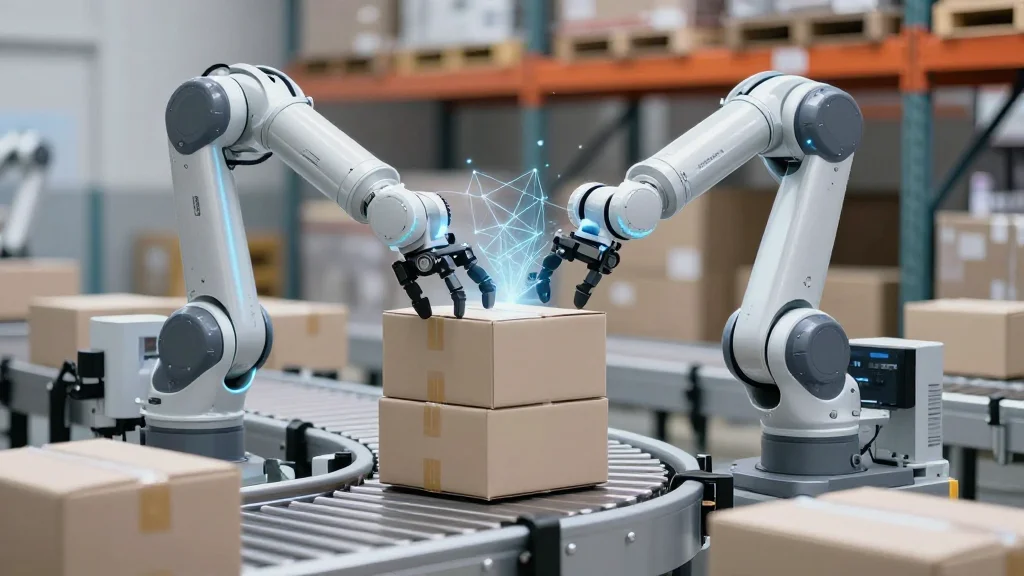
Signs Your Retail Catalog Workflow Won’t Scale Without More Manual Work
Retail catalog workflows often hit a scaling ceiling when manual judgment dominates the process. As product assortments expand, undefined “ready to publish” criteria, data‑content drift, and growing review workloads cause the team to shoulder more decisions, limiting efficiency. While AI...

Value Is Now the Default: How Retailers Should Rethink Assortment, Pricing and the Shelf
Zappi’s 2026 CPG Mega‑Trends report shows brand‑only buying halved to 10% as price becomes the primary driver for shoppers. Private‑label products now enjoy parity or superiority in the eyes of over 80% of U.S. consumers, yet they capture only 19%...

How Small Businesses Can Avoid ‘AI Homogenization’ Without Abandoning Automation
Small businesses are rapidly embracing AI, with 80% planning to use it for marketing by year‑end. While AI boosts efficiency, reliance on generic large language models threatens the personal touch that differentiates local brands. The article warns that off‑the‑shelf tools...
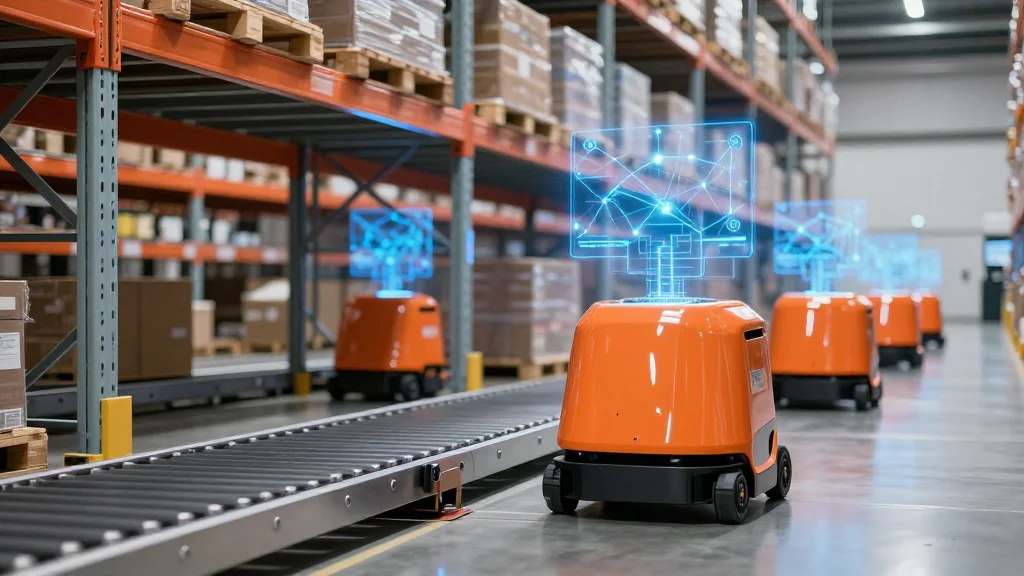
Protect Omnichannel Margins With These 4 Fulfillment Automation Strategies
Omnichannel retailers face mounting margin pressure from rising labor costs, volatile freight rates, and complex multi‑channel fulfillment. Automation is emerging as a strategic lever, moving beyond simple cost cuts to improve decision‑making, reduce waste, and boost flexibility. Four key tactics—AI‑driven...

How Naturepedic Is Scaling Operations and Retail for Organic Growth
Naturepedic, the leading certified organic mattress brand, is scaling its retail footprint and wholesale channel to drive organic growth. The company now operates 18 corporate stores and plans to add eight to ten locations in high‑potential markets such as Southern...

The Hidden Cost of Automation: Managing Liability in the Age of AI
Retailers are accelerating AI and third‑party platform adoption to stay competitive, but the rapid rollout is creating a liability blind spot. When an AI tool misprices a product or leaks data, legal responsibility often falls on the retailer, not the...

To Make the Most of Retail Media, Brands Need to Break Out of Its Silos
Retail media networks (RMNs) have become a go‑to channel for brands because they tie ad impressions directly to purchases, offering clear bottom‑funnel results. However, most campaigns are run in isolation, relying solely on retailer‑owned shopper data that only reflects existing...

Refining, Not Declining: There’s More to the ‘Store Closure’ Story
In early 2026, retailers such as Eddie Bauer, Macy’s and Saks Fifth Avenue announced selective store closures, framing the moves as strategic refinements rather than a retreat from brick‑and‑mortar. The shifts are driven by data‑rich analytics that pinpoint high‑performing locations and...
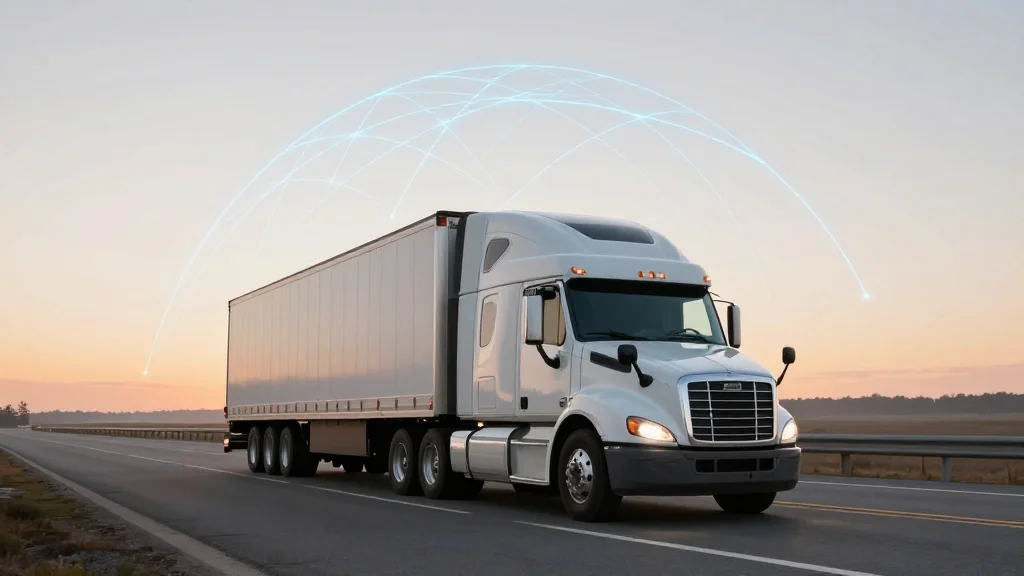
Trucks Are Empty One-Third of the Time. AI Can Fix That
Retail logistics faces a massive empty‑mile problem, with one‑third of truck miles driven without cargo, costing roughly $1 trillion annually. The inefficiency stems from fragmented carrier networks and a focus on local optimization rather than system‑wide coordination. AI‑driven orchestration platforms are...

From Pilot to Platform: Why AI Integration Is Now a Retail Imperative
Retail executives have moved from isolated AI pilots to enterprise‑wide platforms, driven by a market projected to reach $131 billion by 2033. Surveys show 69% of retailers see revenue gains and 72% report cost cuts when AI is fully integrated. Yet...

What Retailers Need to Know About Surveillance Pricing
Retailers using consumer data to set individualized prices face mounting regulatory scrutiny as "surveillance pricing" draws attention from privacy and antitrust authorities. California’s Attorney General launched a CCPA‑based investigation in January, targeting retailers, grocers and hotels, while New York’s Algorithmic...

The Convenience Trap and Why Retail Fraud Has Outgrown Checkout
Retailers' push for frictionless experiences has widened the fraud attack surface, with fraud now spanning account creation, login, loyalty and BNPL, not just checkout. A 2026 survey of over 1,000 fraud and AML leaders shows only 47% of retailers have...
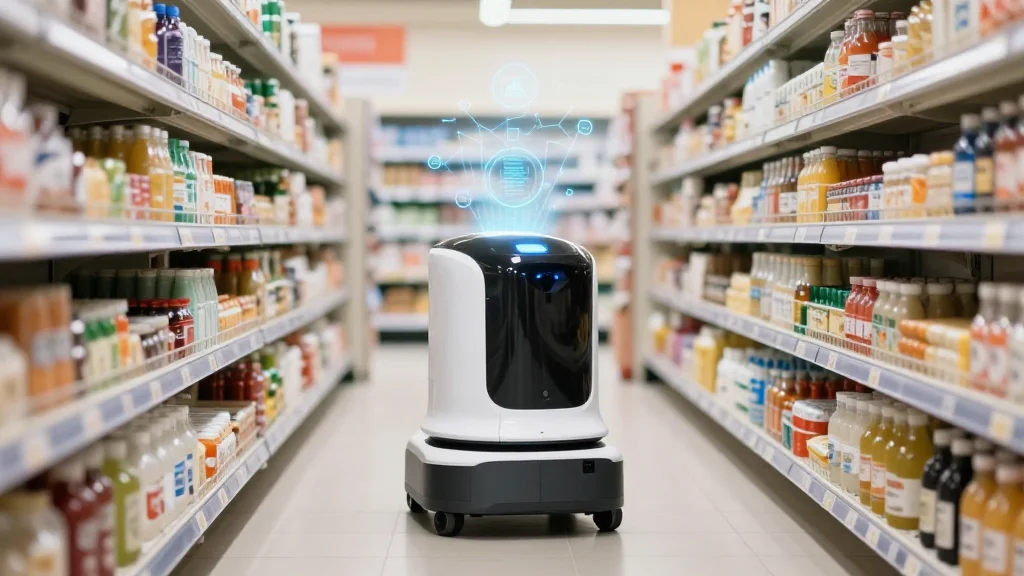
Why Technology Adoption Fails in Retail and How Leaders Fix It
Retailers are pouring money into AI, robotics and analytics, yet roughly 90% of grocery AI projects never scale because the operating model can’t absorb them. The gap isn’t the technology itself but a lack of disciplined change management. Six practices—clear...

What Does Declining Traffic Mean for the Future of Search?
The article warns that AI‑driven, zero‑click searches are reshaping how brands are discovered, turning traffic declines into signs of content authority rather than failure. Large language models now pull answers directly from authoritative guides, leaving no click trace in analytics....

How Digital Humans Are Transforming Frontline Retail Training
Retailers are adopting emotionally intelligent digital humans—AI‑powered avatars that read tone and display realistic facial cues—to overhaul frontline associate training. These simulations replace static videos with immersive, unscripted conversations, allowing employees to practice handling upset customers, price objections, and complex...

Getting Ready for the World of Agentic Commerce: What Businesses Need to Know
Agentic commerce—AI‑driven digital assistants that shop, compare, and purchase for consumers—is poised to reshape retail. The market, valued at $46.7 billion in 2025, is forecast to reach $218.37 billion by 2031, growing at roughly 30% CAGR. Major players such as Google, Perplexity,...

Why Retail’s Next AI Breakthrough May Come From Convenience Stores
Retail AI is moving beyond e‑commerce personalization into the high‑velocity world of convenience stores. Operators are deploying machine‑learning models that forecast demand by the hour, adjust pricing, and optimize replenishment based on hyperlocal data such as weather and commuter patterns....

How Is AI Changing Retail Strategy Now?
Artificial intelligence is reshaping retail by moving shoppers from a traditional search model to an answer‑driven economy, evidenced by a 693% surge in AI‑generated traffic to retail sites by the end of 2025. This shift forces brands to prioritize Generative...

Big Food’s Brand Reckoning: Why Scale Isn’t the Same as Resonance
Consolidation has long driven growth in CPG and retail, but the era of buying scale is hitting a wall as brands lose resonance after acquisition. Companies such as Kraft Heinz, WK Kellogg and PepsiCo are re‑examining sprawling portfolios to avoid...

Agentic AI Will Transform CX — But Only if Brands Unify Their Data
Agentic AI is moving beyond simple content generation to orchestrate entire marketing campaigns, allowing a small team to achieve the output of many. The technology can design, publish, and optimize content in real time, but its effectiveness hinges on a...

Why the Next Era of Commerce Media Is a Human Challenge
The article argues that commerce media’s biggest obstacle has shifted from technology to organizational dysfunction. Brands remain trapped in siloed structures where brand, media, e‑commerce and commerce teams operate with separate budgets and KPIs, leading to duplicated effort and lost...

AI Shopping Creates an Opportunity for Retailers to Reimagine the New Storefront
Retailers are seeing website traffic fall as AI shopping assistants become the primary venue for product discovery and decision‑making. PayPal’s transaction data shows that purchases are increasingly completed outside of brand‑owned sites, with AI tools surfacing items based on price,...

Debunking the Myth That Retailers Have a Demand Problem in Retail Media
Retail media growth isn’t hampered by a lack of advertisers; it’s limited by weak sales execution. Most ad spend comes from existing endemic brands, so retailers must convert those supplier relationships into media revenue. Integrating trade and media teams creates...

Moving Beyond Reactivity: Why Retailers Need Inventory Governance to Drive Growth
Retailers face a unique inventory challenge: thousands of stores must coordinate real‑time data across a massive product catalog. Traditional supply‑chain tactics, focused on execution metrics like MRP, often leave merchandisers and warehouse teams at odds, creating inefficiencies and stock‑out risks....

Pull Loss Prevention Out of the Shadows, Offer a Seat at the Table
Retailers are losing $796 billion in 2025, with $706 billion tied to returns and 12% of those returns stemming from abuse. The piece highlights that loss‑prevention (LP) and asset‑protection (AP) teams are often siloed, limiting visibility into fraud and miscoding. It urges...

Closing the Retail AI ROI Gap With Connected Process Chains
Retailers are rapidly experimenting with AI—about nine in ten decision‑makers are evaluating agents and a third have already deployed solutions such as chatbots, forecasting and personalization. However, most leaders see modest returns because implementations remain isolated point tools rather than...

Digital Signage Helps Retailers Meet, Measure, and Monetize Each Experience
Retailers are turning to AI‑enhanced digital signage to close the gap between physical and online shopping, using advanced sensors and edge computing to capture real‑time engagement data. The technology enables micro‑experiences that personalize each touchpoint, while mixed‑reality displays add immersive,...

Why Loyalty Works Best When It Reflects How People Actually Shop
Evenve’s loyalty program now spans e‑commerce and brick‑and‑mortar stores, letting points earned online be redeemed instantly in‑store and vice‑versa. The retailer automatically enrolls shoppers after any online purchase, eliminating sign‑up friction. The omnichannel approach now generates more than 30% of...

When AI Shops for Us, What Do Brands Lose?
Google is converting its Gemini large‑language model into a direct shopping storefront, allowing users to browse and complete purchases without leaving the chat. The move follows a 632% year‑over‑year surge in AI‑referred traffic, even as traditional organic search fell 9%,...

Voice Is the New AI Interface: Why the Next Great UX Won’t Feel Like Software
Retail’s shift from static menus and typed chat boxes to voice‑first AI restores the natural conversation that drives sales. Typed prompts force users to translate intent into precise keywords, leading to low completion rates, while voice lets shoppers and staff...

Labor: The Pressure Point Retailers Can’t Ignore Any Longer
Retail labor has shifted from a cost center to the decisive factor that determines whether pricing, promotions, and inventory plans are executed on the sales floor. When staffing does not match real‑time demand, service levels slip, inventory accuracy suffers, and...

The Age of the Selective Shopper: Why Winning the Sale Is Harder Than Ever
Consumers are now far more selective, using AI‑driven tools, price‑comparison sites and millions of user reviews to vet every purchase. The flood of digital ads has dulled creative impact, making price and social proof the primary differentiators. Economic volatility and...

The Future of Customer Loyalty Is in the Return Line
Retailers have shifted from speed‑focused loyalty to experience‑driven retention, according to SAP’s 2026 Engagement Index. The study finds 48% of consumers care more about how a brand makes them feel, while 71% are turned off by repetitive, disjointed interactions. Although...

Party City Launches Inside 700-Plus Staples Stores
Staples and Party City announced a strategic partnership placing Party City mini‑stores inside more than 700 Staples locations and on Staples.com, with expansion planned through the end of 2026. The store‑within‑a‑store model lets shoppers buy balloons, décor and party supplies...
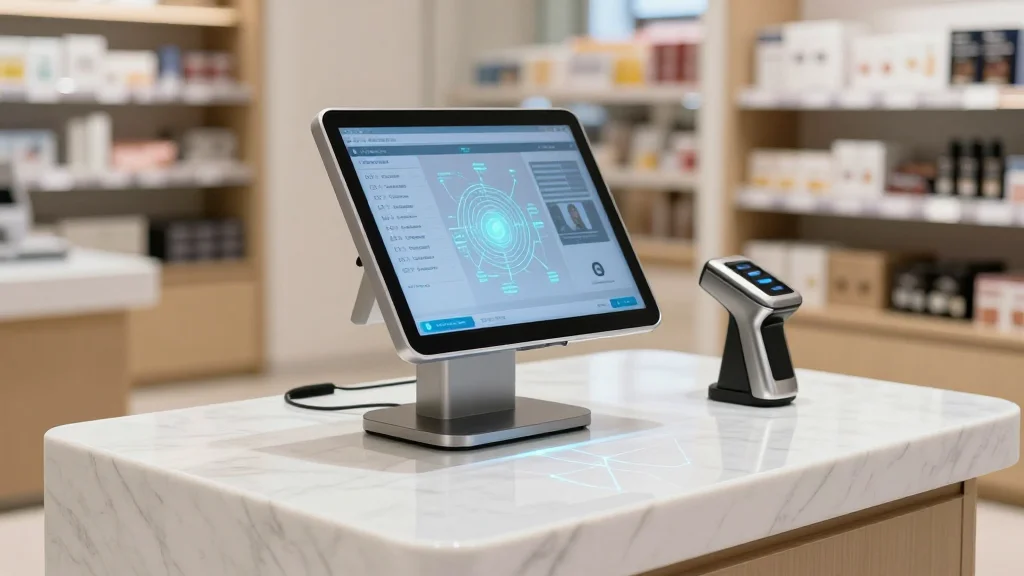
Unified Commerce Is Redefining the Future of Retail
Retailers are moving beyond fragmented omnichannel approaches to adopt unified commerce, a single real‑time platform that merges inventory, order management, and customer data. Manhattan Associates’ 2025 Unified Commerce Benchmark shows that leaders using this model achieve higher conversion rates, lower...

Creators Are Not the Future of Affiliate Marketing, and That’s a Good Thing
The article argues that influencer marketing and affiliate marketing are fundamentally distinct and should not be forced into a single model. Affiliate programs are performance‑first, driven by measurable actions like sales and revenue, while influencer campaigns are fee‑based and measured...

Could Device Trade-Ins Be Retail’s Most Underutilized Sales Tool?
Retailers are underutilizing device trade‑in programs despite strong consumer demand. Alchemy’s research shows only 61% of U.S. smartphone purchasers are presented with a trade‑in option and less than half complete it, leaving roughly $83 billion of devices idle. A compelling trade‑in...

Why Subscription Growth Breaks After Acquisition … and How Retailers Can Fix It
Retail subscription brands often see strong acquisition but hit a wall once the first purchase is made. The article explains that treating acquisition, onboarding, and retention as separate silos creates fragmented messaging that erodes repeat behavior. This disjointed experience leads...
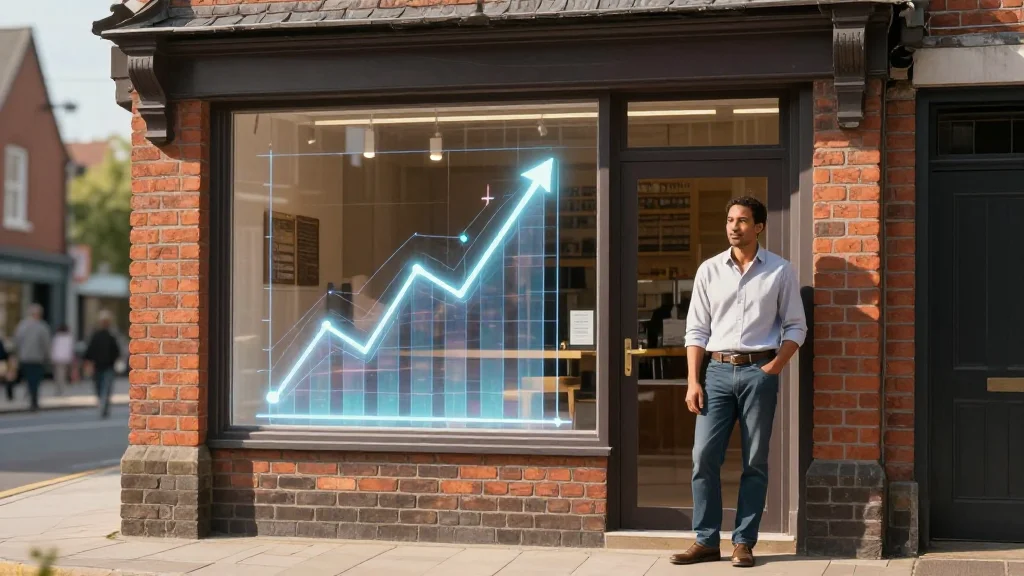
Amidst Economic Uncertainty, Small Businesses Are Investing in Marketing
Small businesses are bucking recession‑era caution by expanding, not cutting, marketing spend. In Constant Contact’s 2026 Small Business Now survey, 68% of owners say they will increase their marketing budgets and 74% will devote more time to promotion. The majority...

Retail’s War on Self-Checkout Misses Where Theft Actually Happens
Retail chains are rapidly scaling back self‑checkout lanes amid shrink concerns, but data shows roughly 80 percent of shoplifting happens before the register. The article argues that checkout‑focused security adds friction without cutting loss, and recommends store‑wide computer‑vision analytics to catch...
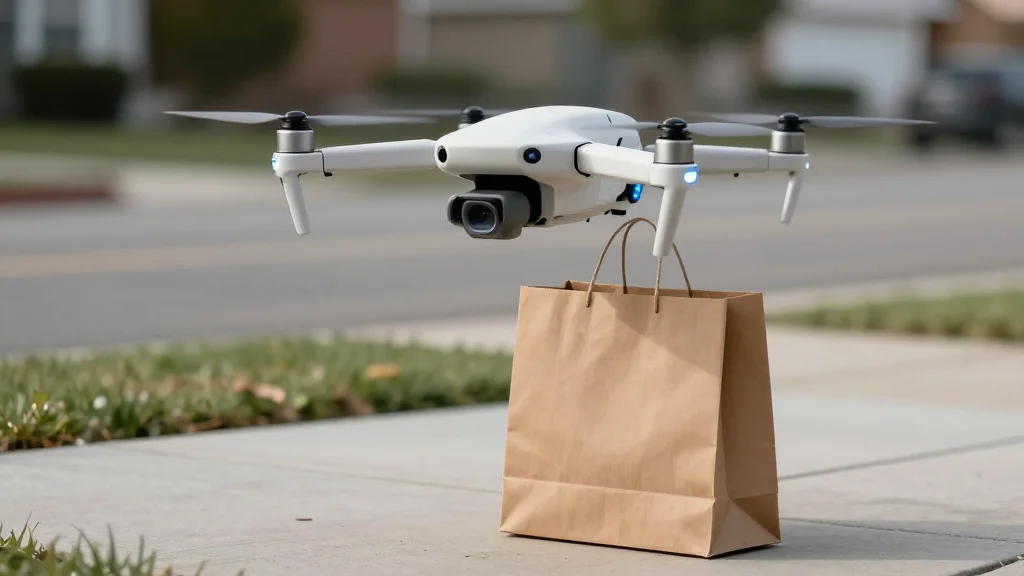
As Agentic AI Usage Skyrockets, Retailers Face New Challenges and Risks
Retailers are witnessing a surge in agentic AI‑driven traffic, projected to rise 4,700% by 2025, prompting the rollout of autonomous shopping agents that can locate, purchase, and deliver items on behalf of users. This shift separates the human intent point...

The $90 Jacket That Isn’t There: Retail’s Spring/Summer Inventory Problem
Retail’s biggest hurdle is execution, rooted in chronic inventory inaccuracy that turns a simple $90 jacket into a lost sale. While U.S. e‑commerce hit $316 billion in Q4 2025 and omnichannel services are now standard, 83% of sales still happen in physical...

Stop Waiting for Insights. Build the System That Produces Them
Marketing leaders often centralize customer data expecting instant insights, but they end up with clean dashboards that lack actionable guidance. The article argues that insight emerges only when data is coupled with a systematic execution engine that captures response metrics...
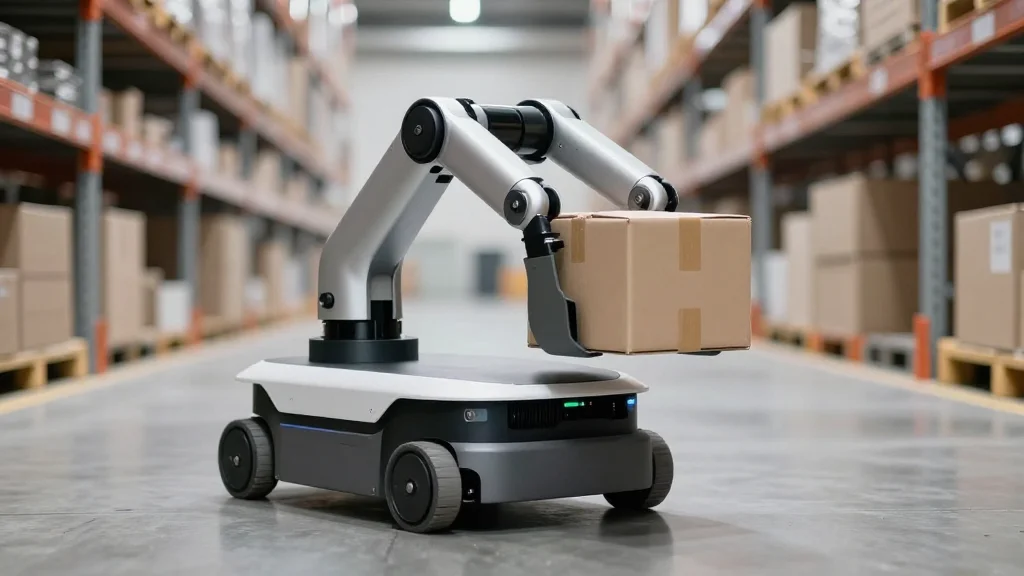
Retail Technology Has a Speed Problem, Not a Scale Problem
Retail CIOs spent a decade engineering massive, scale‑focused platforms, but those systems now impede rapid market response. The hidden cost is a web of manual workarounds that add decision latency, turning the legacy burden into a speed problem rather than...

Listening, Adapting and Earning Loyalty: How Retailers Can Win Customers in a More Intentional Economy
Retailers face a summer 2026 that is no longer a mid‑year lull but a decisive sales window, as inflation‑pressured shoppers spread purchases across longer periods and seek value. NRF data shows consumers start buying earlier, with nearly 20% beginning months...

Report: Retail Sales Grew in March Thanks to Tax Refunds
Retail sales climbed for the sixth straight month in March, driven by larger-than‑expected tax refunds that offset rising gasoline prices linked to the Middle East conflict. Seasonally adjusted sales excluding autos and gas stations rose 0.4% month‑over‑month and 6.59% year‑over‑year,...

Sourcing Without Borders, But Not Without Barriers
Global sourcing is shifting from pure cost optimization to resilience and flexibility as tariffs, geopolitical tensions, and supply‑chain volatility force retailers and brands to redesign their networks. Companies are increasingly adopting regional nearshoring and multi‑hub models, expanding manufacturing in Mexico,...

Are US Businesses Ready for Privacy Fragmentation? Why E-Commerce and Marketing Teams Are Now on the Front Line
U.S. privacy regulation is fragmenting as new state laws in Indiana, Kentucky and Rhode Island join existing statutes, forcing businesses to embed compliance into front‑end digital experiences. E‑commerce and marketing teams now execute consent, targeting and analytics rules that vary...

How Urgency Is Reshaping Physical Retail and the Media Inside It
Physical retail is fragmenting into specialized formats that prioritize immediacy, with stores acting as micro‑distribution hubs or experience centers. Major chains such as Target, Best Buy and Walmart are redesigning operations to fulfill time‑sensitive demand, enabling five‑minute order completion and same‑day...