Retail’s War on Self-Checkout Misses Where Theft Actually Happens
Why It Matters
Shrink costs billions annually; misdirected loss‑prevention investments waste resources and degrade the shopper experience. Implementing shelf‑level computer‑vision can target theft at its source while preserving the speed and autonomy of self‑checkout.
Key Takeaways
- •80% of stolen items hidden before checkout.
- •Scaling back self‑checkout increases lines and labor strain.
- •Computer‑vision can monitor shelf‑to‑exit product journey.
- •NYC proposal limits items, adds staff oversight at SCO.
- •Full‑store visibility reduces shrink without harming customer experience.
Pulse Analysis
Self‑checkout has become a hallmark of modern retail, promising faster transactions and lower staffing costs. Yet the recent wave of lane closures by major chains reflects a growing belief that these kiosks are the primary source of shrink, a belief that the data does not support. Industry studies consistently show that roughly 80 percent of shoplifting occurs on the floor, where items are concealed in clothing, bags, or nested inside other products before a shopper reaches the register. Consequently, tightening checkout controls often adds friction for honest customers while leaving the bulk of loss untouched.
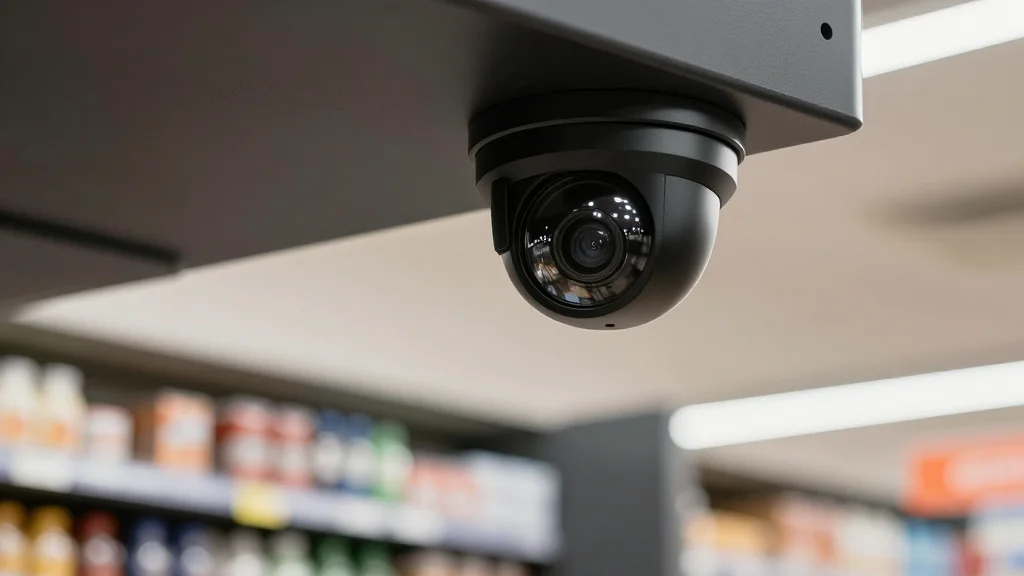
The emerging alternative is store‑wide computer‑vision that watches the product journey from shelf to exit. Advances in AI‑driven video analytics allow existing security cameras to detect anomalous hand‑to‑pocket motions, item‑to‑bag transfers, or prolonged concealment without storing personally identifiable images, thereby respecting privacy. Deployments can be layered onto current infrastructure, keeping capital expenditures modest compared with installing dedicated sensors at every aisle. Early pilots report shrink reductions of 10‑15 percent, demonstrating that early‑stage detection is more effective than post‑checkout alarms.
For retailers, the strategic shift from checkout‑centric loss prevention to holistic visibility offers a dual payoff: lower shrink and a smoother shopper experience. Policymakers, such as New York City’s proposed limits on self‑checkout transactions, risk penalizing consumers without addressing the root cause, potentially driving stores to allocate staff away from customer‑facing tasks. By investing in AI‑powered shelf analytics, retailers can meet regulatory expectations, protect margins, and preserve the convenience that self‑checkout originally promised. The industry’s competitive edge will increasingly hinge on how well it can blend security with seamless service.
Retail’s War on Self-Checkout Misses Where Theft Actually Happens
Comments
Want to join the conversation?
Loading comments...