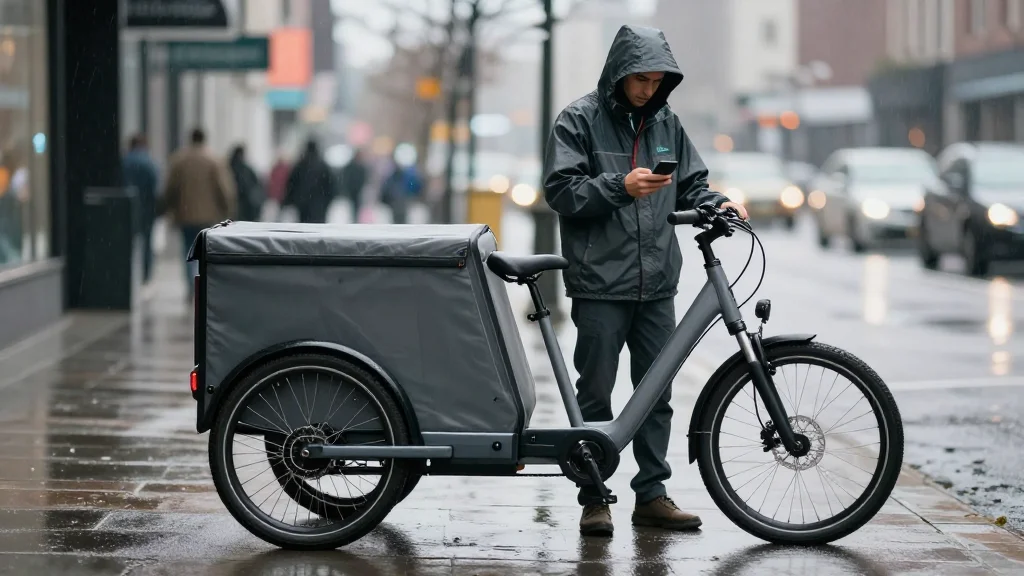
Choosing a Last Mile Partner? Start With Their Failure Plan
Last‑mile carriers are increasingly judged on how they recover from disruptions, not just on on‑time delivery rates. Brands should probe partners about early‑issue detection, escalation protocols, and transparent communication during storms, demand spikes, or tracking lapses. Resilience hinges on a blend of real‑time technology, diversified networks, and empowered human decision‑makers who can adjust routes and keep customers informed. Choosing a carrier with a documented failure plan protects reputation and reduces costly WISMO inquiries.

David’s Bridal Partners With Shopify for Agentic Commerce
David's Bridal has rolled out Shopify’s Agentic Storefronts on ChatGPT and Microsoft Copilot, enabling shoppers to discover, receive recommendations, and buy wedding apparel through AI‑driven conversations. The initiative makes the bridal retailer one of the first global merchants to embed...

AI Is Accelerating Retail Development — and Exposing New Security Gaps
Retail technology teams are racing to adopt generative AI for faster code creation, accelerating e‑commerce, payment and personalization features. The speed boost, however, is exposing new security gaps as AI‑generated code often carries insecure defaults and hidden vulnerabilities. Recent litigation,...

Stores Are Forgetting Their Customers, and It’s Costing Them More Than They Think
Retailers are losing a critical continuity link between digital and physical channels, leaving in‑store shoppers without the personalized experience they built online. The article highlights how this disconnect erodes conversion, dilutes personalization, and weakens loyalty, turning the store into a...

The Chatbot Closed the Sale. The Publisher Created the Demand. That’s a Problem.
Criteo has embedded sponsored product placements directly into ChatGPT answers, turning AI responses into a new ad inventory. The move sidesteps traditional attribution because the publisher content that shaped the recommendation never appears as a clickable URL, leaving creators without...

How David’s Bridal Is Evolving Beyond Traditional Retail
At Shoptalk in Las Vegas, David’s Bridal executives unveiled their "Aisle to Algorithm" strategy, using large language models and the AI‑powered Pearl Planner to streamline internal workflows and personalize the bridal shopping experience. They highlighted how artificial intelligence is reshaping...

How Viral TikTok Growth Is Leaving DTC Brands Vulnerable to Costly Logistics Breakdowns
TikTok Shop is turning viral videos into instant sales spikes for direct‑to‑consumer brands, but many lack the logistics framework to handle the sudden surge of international orders. Products classified as restricted, such as alcohol‑based perfumes, can cost $200‑$300 per unit...

Making Payments AI‑Ready: Outcomes, Guardrails, and Scale
Artificial intelligence is reshaping retail payments by enhancing real‑time transaction decisioning, linking connected terminals, and enabling AI‑driven purchase initiation. Faster, data‑rich approvals raise conversion rates while predictive maintenance cuts device downtime. New consent and verification models are emerging to secure...
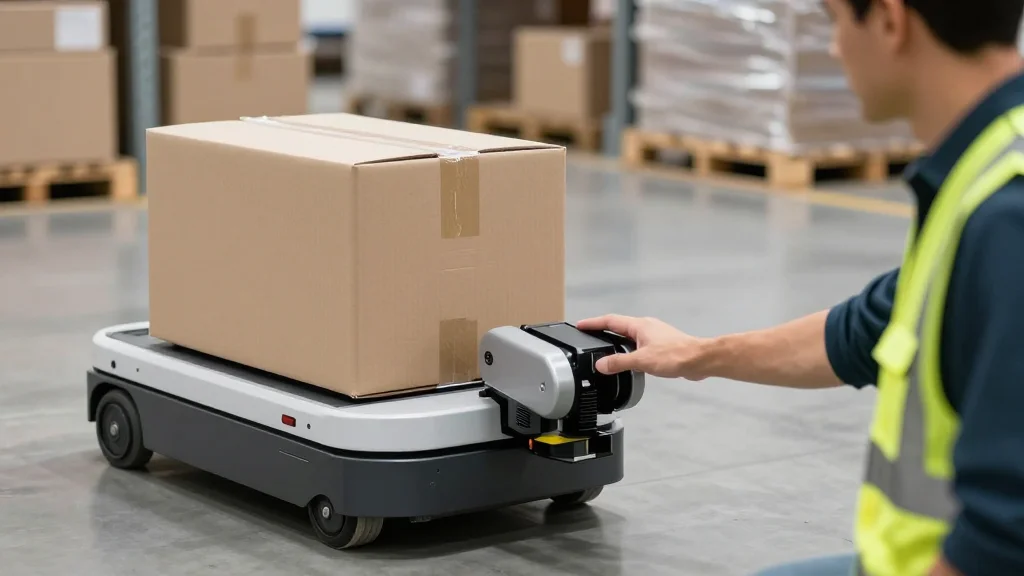
The Human Advantage in an AI-Driven World: Why Critical Thinking Is the Ultimate Retail Logistics Asset
Retail logistics is rapidly integrating AI for demand forecasting, inventory management, and fulfillment, but the technology cannot replace human judgment. The article warns against the shortcut of trusting algorithmic outputs without critical evaluation, especially during demand spikes or disruptions. It...
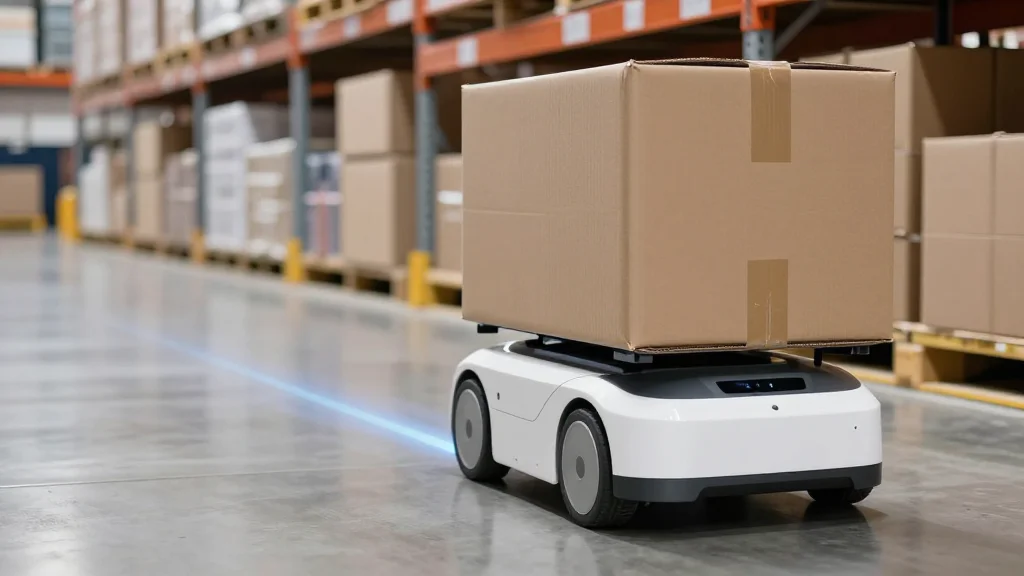
Retail and CPG’s Precision Era: How AI Is Reshaping Forecasting, Fulfilment and Customer Engagement
Retail and consumer packaged goods firms are entering a precision era where AI is no longer optional but essential for survival. By 2026, AI‑driven demand forecasting, real‑time logistics, and automated fulfillment are reshaping the operating model from reactive to autonomous....

How Retailers Can Protect Voice Channel From AI Impersonation Scams
Scam robocalls jumped 15.6% in 2025, adding roughly 420 million extra calls each month, and AI‑generated voice deepfakes are making them harder to detect. The FCC warned that scammers are impersonating Walmart employees, highlighting retailers as prime targets. Over half of...

Why ‘Keep It’ Returns Should Be Illegal
Retailers are increasingly using “keep it” returnless refunds to cut reverse‑logistics costs, but the practice fuels fraud, inventory distortion, and waste. The National Retail Federation estimates $849.9 billion in returns, with 9 % fraudulent, while Narvar reports 75 % of shoppers have received...
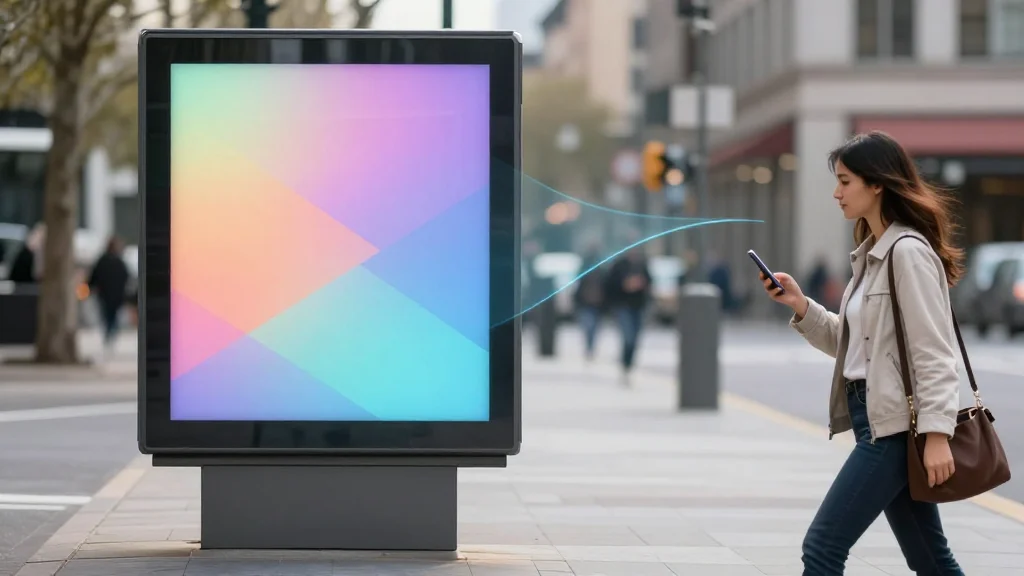
Proximity Is Retail’s Next Growth Lever
Retailers are reviving proximity marketing as a growth lever, recognizing that purchase decisions unfold across physical and digital touchpoints. A recent OAAA and Winterberry study shows roughly 70% of adults notice out‑of‑home (OOH) ads on their way to stores, and...

Retail Media Has Reached Its Accountability Moment
Retail media, once celebrated for its closed‑loop attribution near the point of sale, is now confronting an accountability crisis. Advertisers are demanding proof that spend drives incremental lift beyond a single retailer’s ledger. In response, major networks are expanding into...

3 TV Advertising Myths DTC Brands Should Ignore
Direct‑to‑consumer brands are confronting rising acquisition costs and saturated digital channels, prompting a shift toward streaming TV. Connected‑TV now accounts for nearly 18% of U.S. adult viewing time, yet only 7.4% of media budgets target it, creating a sizable growth...

5 Email Myths That Are Quietly Damaging Your Brand’s Reputation
Retailers are enjoying AI‑driven personalization, yet 27% remain in a DMARC enforcement gap, exposing them to domain spoofing. Valimail’s 2026 State of DMARC report shows many have only reporting‑only records, which lets attackers use their brand in AI‑generated phishing emails....
Unified Commerce Powers Future Retail Success
Unified commerce, as outlined in Manhattan Associates’ new whitepaper, replaces fragmented omnichannel setups with a single real‑time platform that synchronizes data, operations, and customer experiences. The model promises seamless shopping across online, in‑store, app, and emerging AI channels while eliminating...

How OLLY Is Staying Visible in AI-Driven Search
OLLY, the wellness supplement brand, is leveraging AI‑driven search technologies to keep its products front‑and‑center in an increasingly algorithmic retail landscape. By deploying generative‑AI keyword clustering, structured‑data markup, and voice‑search optimization, the company has lifted organic traffic and captured higher‑intent...

AI and Other Things Retailers Cared About at Shoptalk
Shoptalk 2026 centered on "Retail in the Age of AI," revealing that retailers are moving beyond curiosity to demand proven AI solutions that can be scaled from pilot to production. Attendees highlighted four AI use cases—enhanced insights, workflow automation, content creation,...

Retail Growth Is Going Local. Media Plans Haven’t Caught Up
Independent retailers posted a 4.5% same‑store sales increase in December 2025, outpacing the 2.4% growth of total U.S. retail sales. The data shows that neighborhood, habit‑driven shopping is accelerating while broader retail momentum cools. Yet most media budgets remain focused on...
From Stockroom to Screen: How Real-Time Inventory Feeds Elevate In-Store Digital Signage
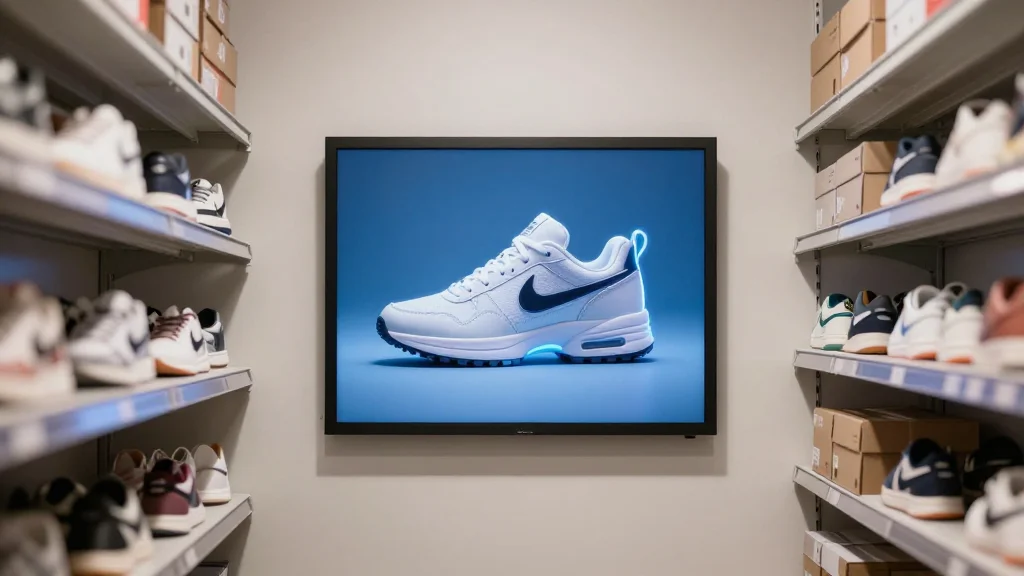
Retailers are increasingly linking digital signage to live inventory and point‑of‑sale data, turning static ads into context‑aware displays. A rules‑based engine automatically promotes in‑stock items while suppressing sold‑out products, ensuring screens reflect real availability. This integration creates a feedback loop...

The Next Era of Retail Won’t Be Browsed, It Will Be Prompted
Retail is transitioning from search‑driven browsing to AI‑driven intent commerce, where autonomous agents complete purchases before a human even opens a site. Walmart reported that shoppers using its Sparky assistant generated baskets 35% larger than traditional shoppers, underscoring the revenue...

From Visibility to Predictability: Why Retail Needs Flow Intelligence Across B2B Transactions
Retailers are increasingly hitting transaction failures at the handoffs between modern integration platforms rather than within any single system. This creates an "assurance gap" where dashboards show green but orders, invoices, or settlements remain incomplete. Flow intelligence overlays existing commerce,...

Nothing Bundt Cakes Acquired by Private Equity Firm for $2B-Plus
KKR has agreed to acquire the Dallas‑based bakery chain Nothing Bundt Cakes for more than $2 billion, taking the brand from private‑equity owner Roark Capital. The franchise‑heavy concept, founded in 1997, sells a focused line of Bundt cakes that benefit from steady demand...
Walmart Isn’t Just a Retailer Anymore — It’s an Advertising Powerhouse
Walmart’s advertising division, Walmart Connect, has evolved into a major revenue engine, posting $4.4 billion in 2024—a 27% jump from the prior year. The platform capitalizes on Walmart’s massive first‑party shopper data, delivering ads across its e‑commerce site, in‑store screens, and...

Solving the Anonymity Problem at Checkout
Retailers still struggle to identify in‑store shoppers, with match rates lingering in the single digits despite digital loyalty programs reaching only about 30 percent. This anonymity forces marketers to rely on untargeted campaigns, inflating acquisition costs and missing the 70...

What TikTok’s Volatility Means for Retail Media Planning
TikTok’s uninstall rates have surged roughly 150% as U.S. regulatory uncertainty intensifies, prompting retailers to reassess video spend. The spike highlights the risk of concentrating advertising budgets on a single social feed during critical back‑to‑school and holiday periods. Marketers are...
Small Independent Retailers Cultivate the Loyal Customer Base That Brands Need
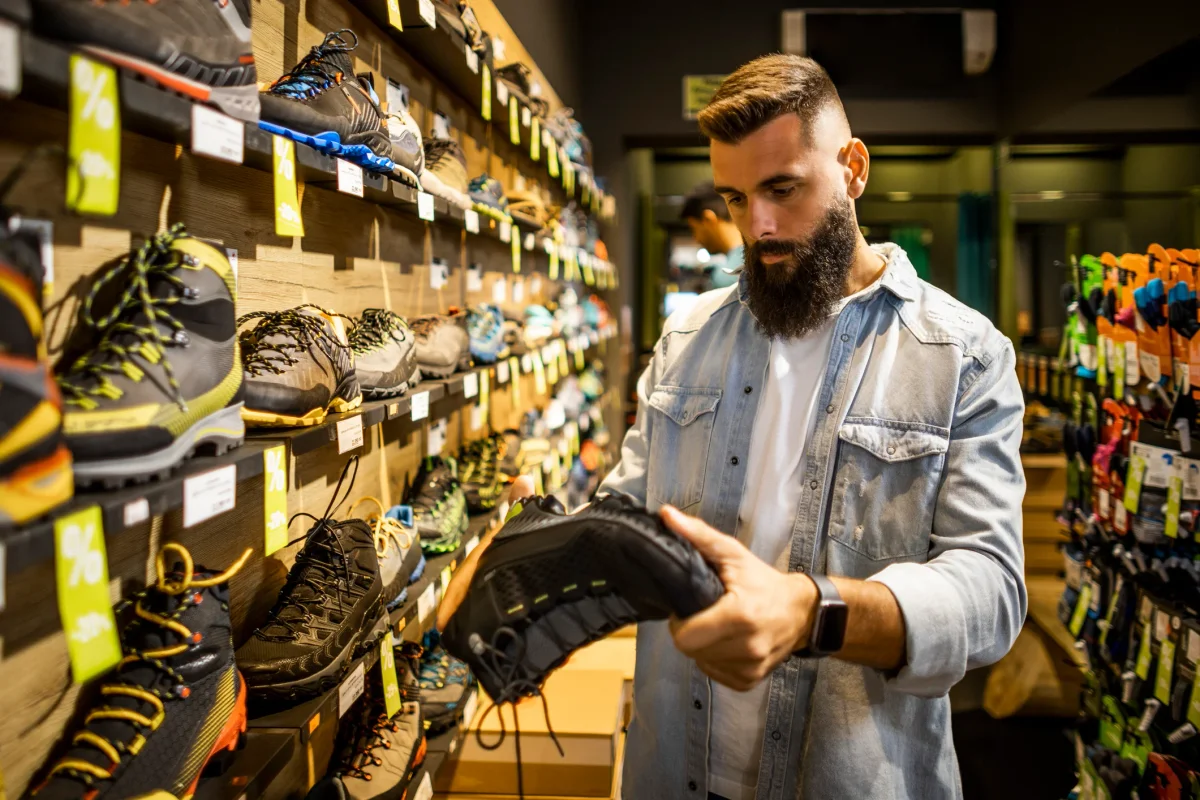
NuORDER’s retail head highlights a data‑first shift in outdoor wholesale, where independent specialty shops demand analytics‑driven buying decisions. Adoption of AI‑based forecasting among these retailers has doubled from 20% in 2024 to 40% in 2025, tightening the link between proven...
From Points to Practical Value: Why Financial Utility Is Rewriting Retail Loyalty
Retail loyalty is shifting from points‑based emotional incentives to financial utility that delivers immediate, measurable savings. Consumers now favor cash‑back, instant discounts, embedded financing, and automated benefit reimbursements over symbolic rewards. The trend is most pronounced in grocery and pharmacy...

AI-Ready Retail: The Practical Reality Behind Delivering AI’s Value
Retailers must start AI projects with a clear road map that defines specific goals—such as demand forecasting or inventory optimization—and quantifies expected benefits. Central to this roadmap is governance, which establishes data ownership, validation, and cross‑channel consistency before any model...

The Retail Experience Is Bigger Than You Think
Michael Fullman argues that retail experiences must reach beyond the primary decision‑maker to the broader circle of spouses, friends, and colleagues who influence purchase choices. Traditional buyer personas assume a straight‑line path, but real decisions unfold in post‑meeting conversations. He...

The Blueprint for Ambient IoT Adoption in Retail
Ambient Internet of Things (IoT) has moved from pilots to enterprise‑scale deployments in retail and logistics, leveraging battery‑free Bluetooth Low Energy tags powered by wireless power networks. The blueprint emphasizes using existing RFID or barcode systems, launching a single‑site pilot...
How AIOps Is Keeping Retail Lights on Behind the Scenes
Artificial intelligence for IT Operations (AIOps) is helping retailers keep e‑commerce platforms running smoothly by automatically detecting and fixing order‑flow glitches, pricing mismatches, downtime, and data‑sync issues. Machine‑learning models surface anomalies before customers notice them, enabling proactive remediation. A real‑world...

AI-Assisted Commerce Is Here. Trust Will Define Who Wins
Google introduced the Universal Commerce Protocol (UCP) in January 2026, creating a standardized, machine‑readable layer for product data, pricing, carts, payments and order tracking. UCP already powers AI‑driven purchases on Google Search’s AI Mode and Gemini for retailers like Etsy...

Why Delivery Reliability Now Matters More Than Speed
Retailers have spent a decade chasing Amazon‑style speed, but a Locus survey shows only 9% of shoppers believe promises are consistently met. Missed windows and silent delays erode trust, with 92% of customers abandoning a brand after just a few...
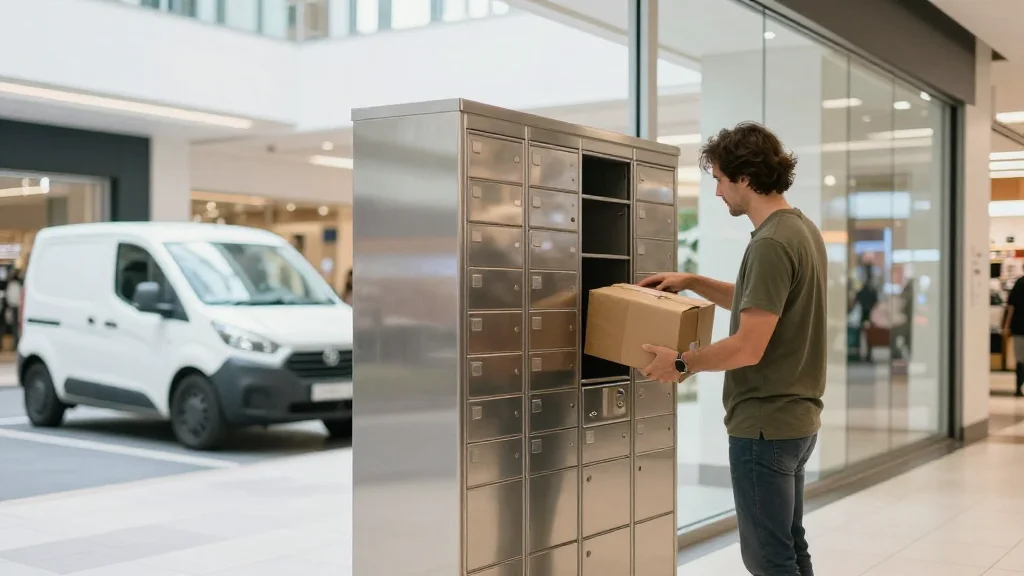
The Mall Supply Chain: Why Retail’s Most Visible Channel Is the Most Operationally Fragile
Gen Z’s preference for experiential, in‑store shopping is reviving malls, turning them into multi‑purpose omnichannel hubs. Retailers now use mall locations not just for sales but also for BOPIS, returns, same‑day pickup, and last‑mile distribution. However, the freight flow into...

Beyond the Frame: Why Video Is the Strategic Supercharger for Modern DOOH
Video is reshaping digital out‑of‑home advertising by converting static billboards into dynamic, cinematic moments that capture fleeting attention. Brands must adapt each video asset to the unique viewing context of DOOH screens, a process the article calls “transcreation,” using modular...

What’s the Missing Link in Consumer AI Agents?
Consumer AI agents are moving from pilots to live retail interactions, handling tasks like refunds and bookings. While context graphs help preserve memory and relationships, they remain infrastructure rather than true intelligence. The article argues that without stateful, outcome‑focused reasoning,...

David’s Bridal Launches Wholesale Division With a Focus on Independent Boutiques
David’s Bridal announced a new wholesale division aimed at independent boutiques worldwide, offering exclusive designer capsule collections that will not appear in its own stores or online. The program features collaborations with Vera Wang Bride, Oleg Cassini, and Viola Chan Couture and aligns with the...

Target Lowers Prices on More Than 3,000 Products
Target announced price reductions on more than 3,000 spring items across apparel, home, baby, food and beverage categories. Discounts range from 5% to 20% and target everyday essentials as well as on‑trend apparel. The move follows a recent quarter of...
7 Signs Your Returns Management Process Needs an Upgrade
After the holiday rush, warehouses and 3PLs face a wave of returns that exposes hidden operational friction. Lingering backlogs, shifting bottlenecks, and slow reintegration of sellable inventory tie up space and capital. Manual tracking and limited data visibility further strain...

Consumer Anxiety Is Reshaping Retail. Technology Is the Antidote
Consumer anxiety, fueled by rising fraud and economic uncertainty, is reshaping retail behavior, according to SOTI’s global survey. Over half of U.S. shoppers have experienced fraud, and 69% say inflation and supply‑chain issues have altered their purchasing habits. Retailers must...
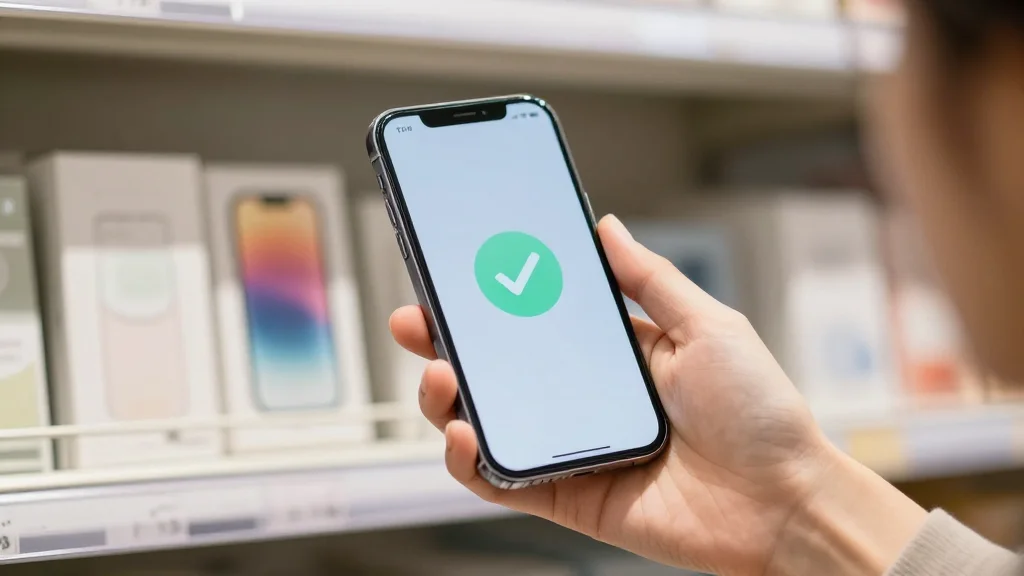
3 Practical Ways Vertical AI Reshapes Fashion Retail Operations
Vertical AI is reshaping fashion retail by aligning inventory with hyperlocal demand, preventing costly markdowns, and accelerating trend analysis. Predictive models ingest local sales data, social signals, and logistics metrics to forecast store‑level needs, reducing out‑of‑stock incidents. AI agents recommend...
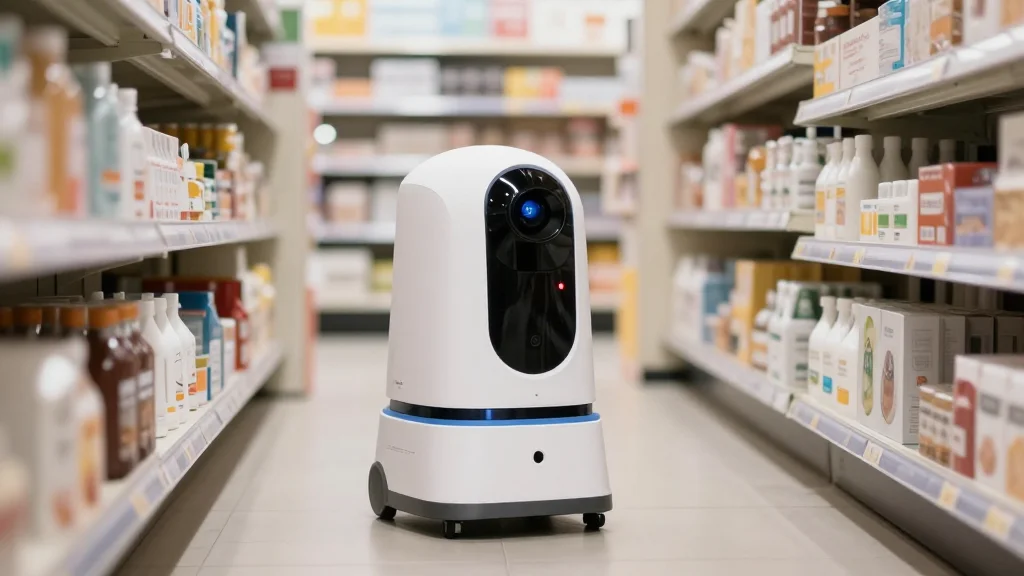
With a Shift to Bot Shopping, Retailers Must Redesign for AI
Retailers are confronting a surge of AI‑powered bot shoppers that can locate deals, compare specs and complete purchases in milliseconds. Bots ignore visual design and focus on clean, structured product data, transparent pricing and fast search results. To stay visible,...

Building a Foundation for Audience Monetization With First-Party Data
Retailers are shifting perception of first‑party data from cost to revenue asset. As third‑party identifiers disappear, brands are packaging privacy‑safe audience segments for partners, creating new monetization opportunities. Successful implementation requires a reliable identity layer, robust governance, cross‑functional ownership, and...

You Can’t Automate Trust: Why AI Still Needs Human Strategy in Marketing
Marketers are discovering that AI can automate data‑heavy tasks, but it cannot set strategy or build trust. The most successful teams pair AI’s speed with human judgment, using automation to execute a clear, human‑crafted vision. Without human direction, AI‑driven campaigns...
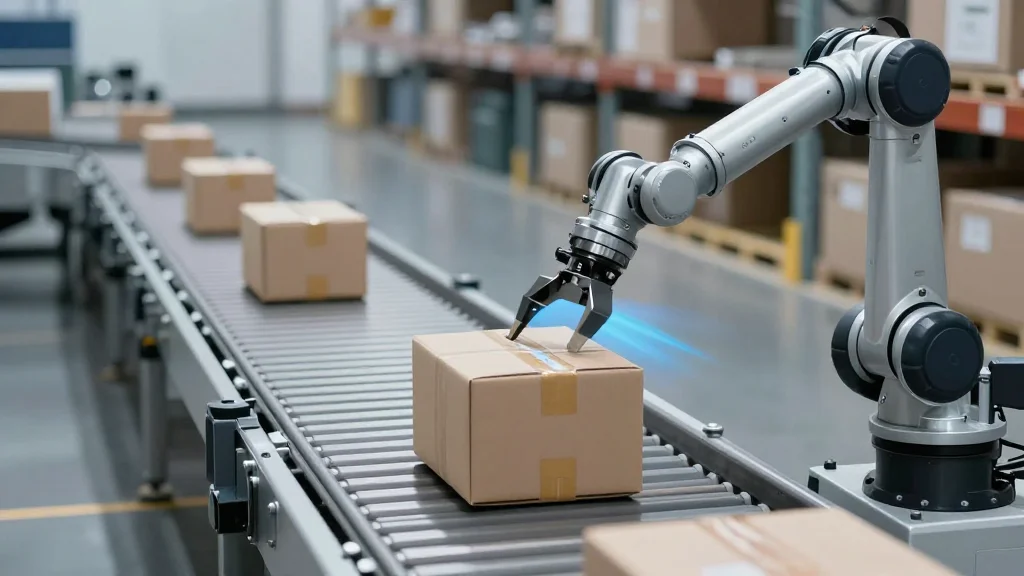
The Power to Pivot: Operational Velocity as a Key Retail Metric
Retail leaders are urged to prioritize operational velocity—the speed at which campaigns, inventory signals, and creative assets can be adjusted—over merely tracking click costs. The article argues that agility, not additional tools, is the true growth catalyst, recommending automated kill...

Unlocking Global Growth: A Practical Road Map for Cross-Border E-Commerce Success
Retailers are turning to cross‑border e‑commerce as domestic markets saturate, with global online sales forecast to hit $6.8 trillion by 2028. A Total Retail whitepaper, created with Melissa Data, highlights that address errors affect nearly one‑fifth of orders, driving costly failures....

The 2025 Holiday Season Tested Retail Execution: What Retailers Need to Know for 2026
The 2025 holiday season proved fulfillment is now a front‑line consumer experience, as Adobe reported over $10 million in online spend each minute on Cyber Monday and NRF said holiday spending topped $1 trillion. While 91% of shoppers entered the period confident...

Why Multilingual Content Conversion Is the Missing Link in Retail Growth
Retailers aiming for 2026 growth are realizing that multilingual discovery alone does not translate into sales. AI‑driven search engines now treat simple translations as low‑authority, reducing visibility in key markets. At the same time, poorly adapted product pages, checkout flows,...