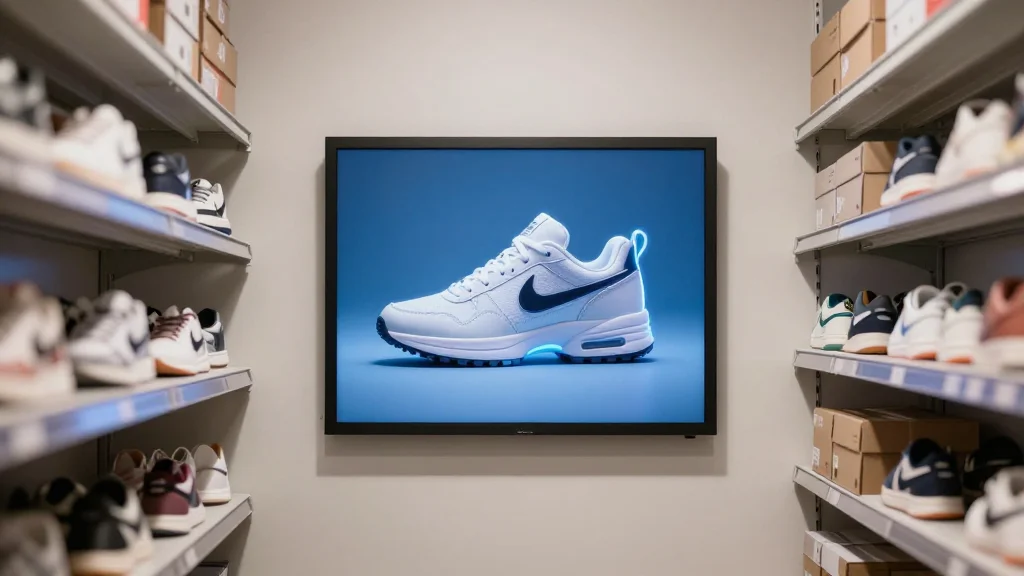
From Stockroom to Screen: How Real-Time Inventory Feeds Elevate In-Store Digital Signage
Why It Matters
Real‑time, data‑driven signage aligns marketing with supply, directly boosting conversion and operational efficiency. It transforms displays from decorative assets into measurable revenue drivers.
Key Takeaways
- •Real-time inventory sync eliminates out‑of‑stock signage errors
- •Rules‑based engines auto‑update promotions based on stock levels
- •Dynamic screens boost shopper trust and conversion rates
- •Data feedback from signage informs merchandising and inventory planning
- •Cloud platforms enable scalable, location‑specific content across stores
Pulse Analysis
The retail landscape is moving beyond eye‑catching graphics toward intelligent, data‑powered experiences. As consumers expect seamless omnichannel journeys, static digital signage increasingly appears outdated, especially when promotions clash with actual stock. Industry analysts estimate that the global digital signage market will surpass $30 billion by 2028, driven largely by integrations with inventory management systems and cloud services. By feeding point‑of‑sale data into signage platforms, retailers can ensure every visual cue mirrors on‑shelf reality, reducing the friction that erodes brand trust.
At the heart of this transformation lies a rules‑based framework that translates inventory thresholds into content decisions. When a product’s stock dips below a predefined level, the system automatically suppresses its promotion and surfaces complementary items or overstocked SKUs. Cloud‑based platforms such as Yodeck enable these rules to be deployed across thousands of locations, with localized templates that adapt pricing, imagery, and messaging in seconds. Integration with POS and ERP systems eliminates manual uploads, freeing marketing teams to focus on strategy rather than data entry, while ensuring compliance with regional pricing and regulatory requirements.
The business payoff extends beyond the storefront. Real‑time signage generates granular performance metrics—impressions, dwell time, and conversion lift—that feed back into merchandising and supply‑chain decisions. Retailers can pinpoint which promotions drive foot traffic, adjust inventory allocations, and even forecast demand more accurately. Early adopters report up to a 15 percent increase in sell‑through rates for dynamically promoted items and a measurable rise in customer satisfaction scores. As AI and machine‑learning layers mature, future signage will not only react to inventory but also predict shopper intent, cementing its role as a strategic revenue engine rather than mere decoration.
From Stockroom to Screen: How Real-Time Inventory Feeds Elevate In-Store Digital Signage
Comments
Want to join the conversation?
Loading comments...