The Cost of Convenience: A Hedonic Approach to Travel Time Valuation and Cost‐Benefit Analysis
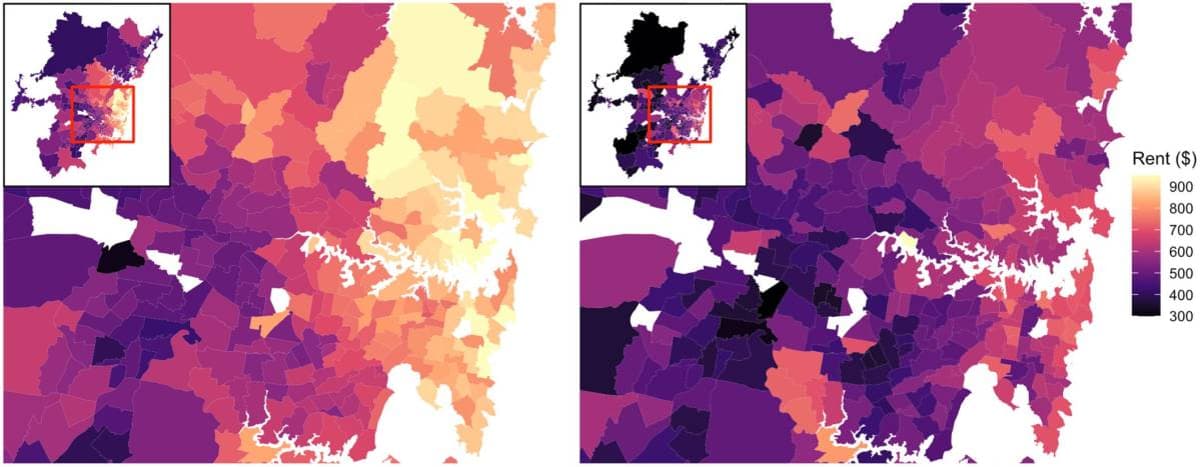
Mann and Levinson (2026) introduce a revealed‑preference, hedonic pricing method to estimate the value of travel time (VTT) using residential rental transactions in Greater Sydney. By linking rent levels to employment accessibility, the authors control for unobserved amenities and spatial sorting, producing VTT estimates that match conventional cost‑benefit analysis figures. A second‑stage regression exploits price‑gradient non‑linearity to recover the structural demand for accessibility without instrumental variables. The framework is demonstrated on the Sydney Metro West project, quantifying welfare gains from a non‑marginal accessibility shock.

Investigating Platoon Formation and Retention Using Reduced-Scale Mobile Robots with Controllers Based on Established Car-Following Models
A July 2026 study published in Transportation Research Part C examined platoon formation and retention using reduced‑scale mobile robots (RSMRs) equipped with controllers derived from five classic car‑following models. The researchers implemented the Gazis‑Herman‑Rothery, Gipps, Intelligent Driver Model (IDM), PID,...

Transportist: April 2026
The Transportist April 2026 briefing highlights a resurgence of fuel rationing talks in Australia as diesel shortages threaten grocery deliveries and waste collection. It also notes a spate of delivery‑robot mishaps in the United States and tightening e‑bike enforcement, with Seattle...
Estimating Mode Choice in Decentralized Shared Mobility: A Bagging-Enhanced Heterogeneous Ensemble Method
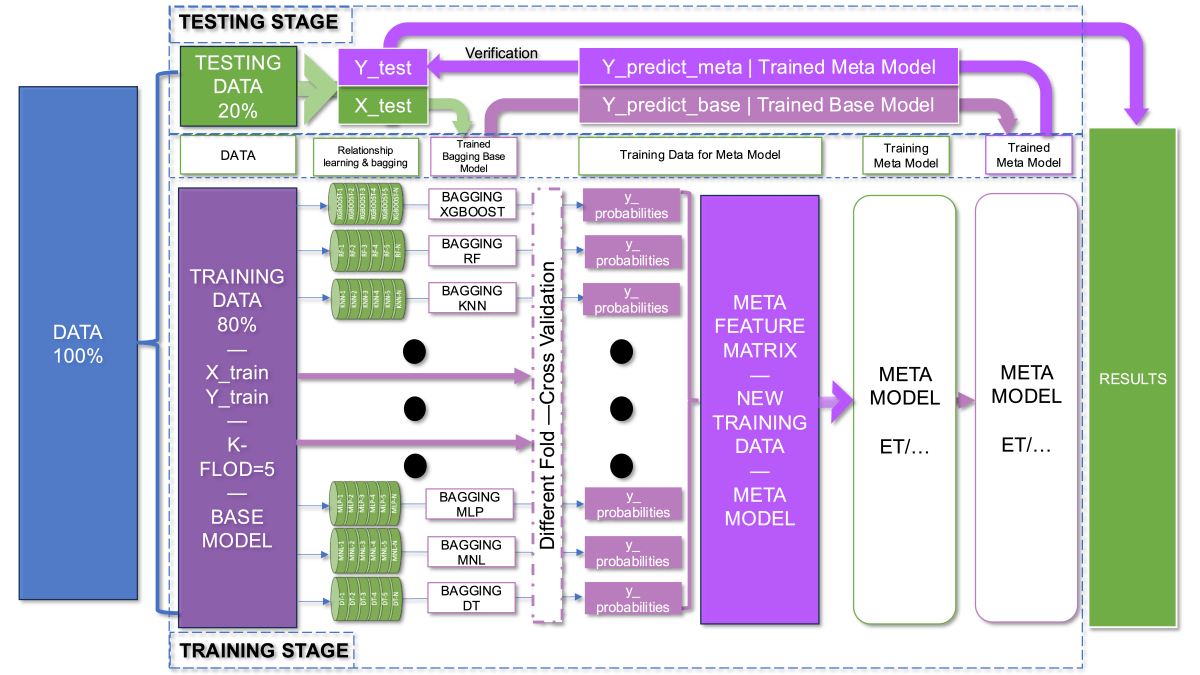
A new study in *Travel Behaviour and Society* introduces the Bagging‑enhanced Stacking Heterogeneous Ensemble Method (BESHEM) to model travel mode choice. BESHEM integrates linear, tree‑based, probabilistic, instance‑based, and neural‑network models through nested bagging and stacking, delivering superior predictive performance. Applied...

Crowdshipping Participation Among Private Vehicle Users
The Journal of Urban Mobility published a study examining what drives private‑vehicle commuters in Mumbai to join crowd‑shipping schemes. Using an integrated choice and latent variable model, the authors linked travel time, cost, incentives, income, gender, age, and personality traits...