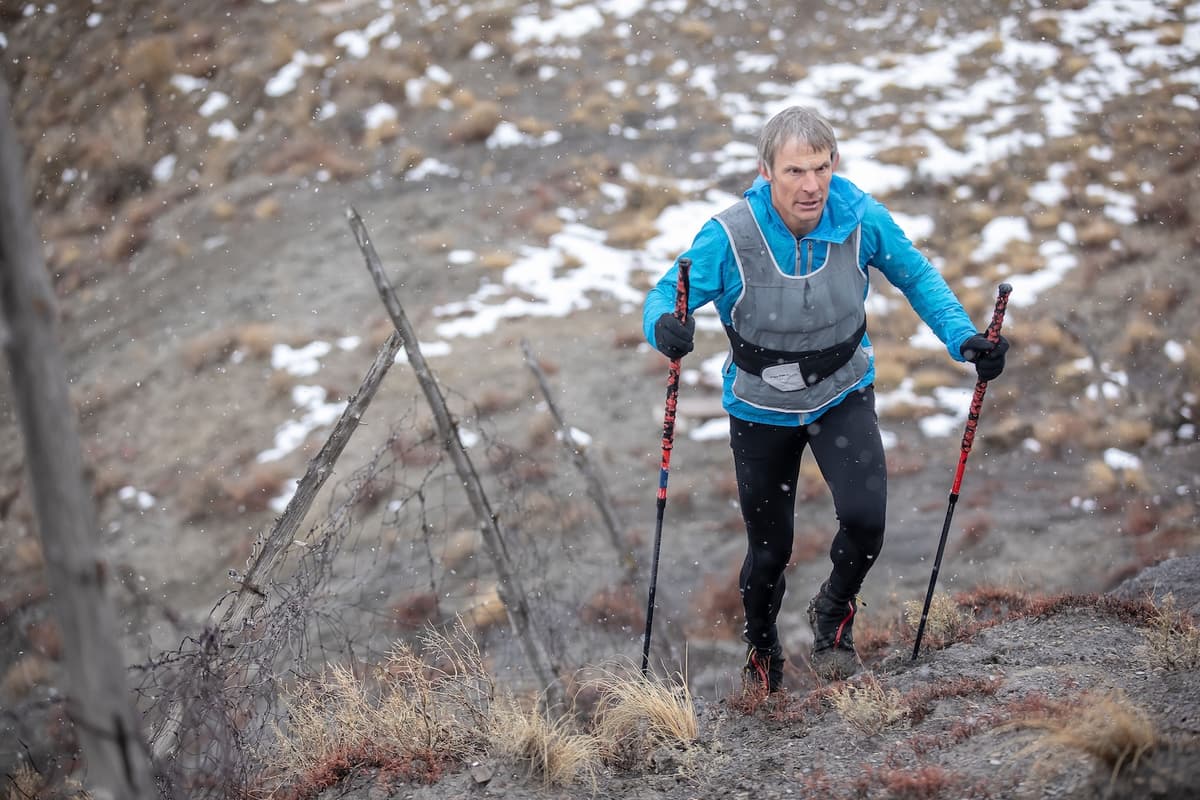
Continuous Aerobic Threshold Monitoring
Uphill Athlete introduced Continuous AeT, an automated feature that updates an athlete’s aerobic threshold weekly by analyzing heart‑rate, pace and power data. In a blind test of 65 athletes, the tool’s average error was only 0.1 bpm and it outperformed athletes’ self‑set thresholds, which were about 4 bpm too high. Accuracy varied with data quality: clean data yielded slightly lower readings, while sparse data produced higher estimates. The rollout includes a refusal layer that blocks estimates when training data are insufficient, ensuring reliable guidance.

Continuous AeT — How and Why It Works
Uphill Athlete has introduced Continuous AeT, a software tool that estimates an athlete’s aerobic threshold every week using existing heart‑rate data. It replicates the physiological signal captured by the traditional hour‑long heart‑rate drift test but eliminates the logistical burden of...
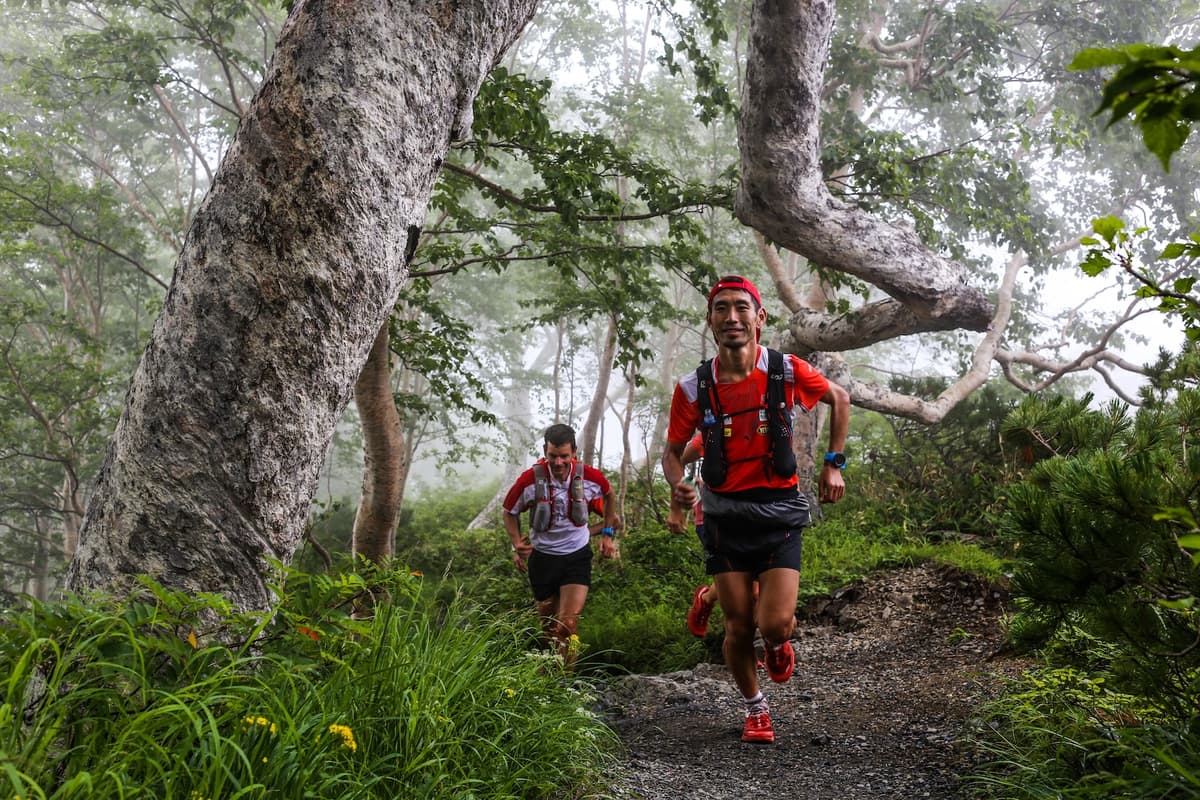
What Every Mountain Athlete Needs to Know About Heart Rate Variability
The article, featuring data scientist Dr. Marco Altini, explains heart rate variability (HRV) as a measure of the autonomic nervous system’s response to stress rather than a predictor of performance. It warns that wearable readiness scores often mislead athletes by...

Zone 2 Heart Rate Training: How to Find (and Train) Your Real Zone 2
The article argues that Zone 2 training should be anchored to an athlete’s aerobic threshold (AeT) rather than the generic “220‑age” formula. It explains how a simple heart‑rate drift test or continuous AeT monitoring can pinpoint the true Zone 2 range. The...
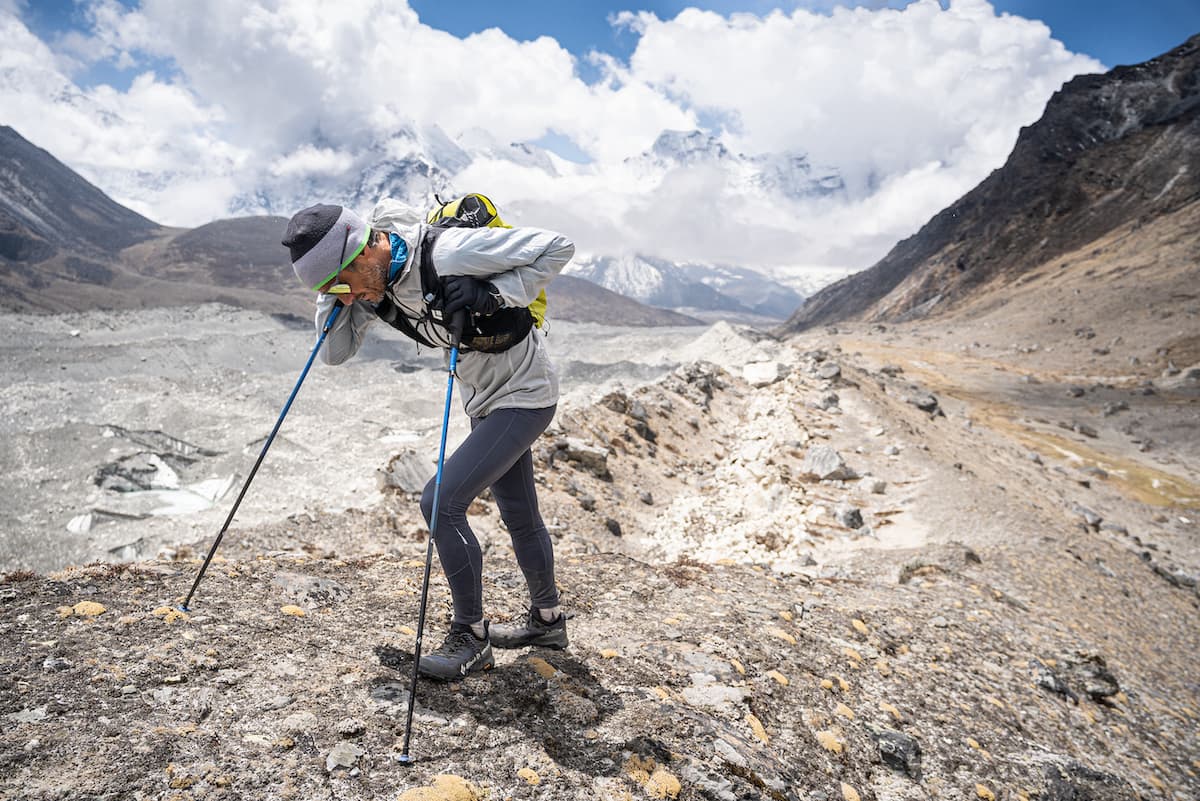
Symptoms of Overtraining in Mountain Athletes
Overtraining syndrome (OTS) arises when athletes remain in a state of non‑functional overreaching for weeks or months, leading to chronic fatigue, performance decline, and a cascade of physiological disruptions. The article outlines primary symptoms—loss of performance and persistent fatigue—and secondary...

What We Know About Hypoxic Conditioning for High-Altitude Climbing
Uphill Athlete has shifted from skepticism to offering a coached hypoxic conditioning program that tailors altitude exposure, timing, and monitoring to each climber. The new approach combines normobaric sleeping tents and intermittent hypoxic training, with daily SpO2, heart‑rate and recovery...

Why Strength Training Is Non-Negotiable for Female Mountain Athletes
Strength training is essential for female mountain athletes, providing the structural foundation that lets aerobic capacity translate into sustained performance on rugged terrain. It safeguards bone density, joint stability, and muscle mass, especially as women navigate hormonal shifts and aging....

Training for the Pregnant Athlete
Pregnant athletes can maintain training by adapting to physiological changes rather than stopping altogether. Blood volume, cardiac output, and hormone levels shift, making heart‑rate zones unreliable and emphasizing perceived exertion. Strength work remains crucial, but exercises must protect joints and...