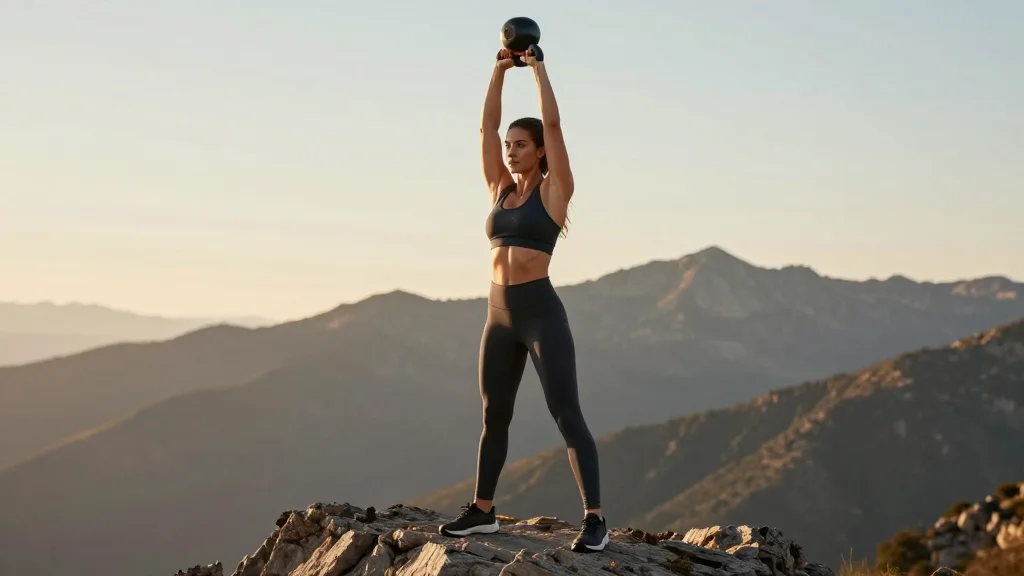
Why Strength Training Is Non-Negotiable for Female Mountain Athletes
Why It Matters
Without a dedicated strength regimen, female athletes face higher injury risk, performance plateaus, and accelerated decline in bone and muscle health, limiting both competitive results and lifelong outdoor participation.
Key Takeaways
- •Strength underpins endurance in mountain sports
- •Improves bone density, joint stability, injury resistance
- •Target functional core, endurance, eccentric strength
- •Periodized phases: max strength, endurance, maintenance
- •Consistent, simple workouts boost longevity and confidence
Pulse Analysis
Female mountain athletes confront a unique physiological crossroads where endurance meets the demands of steep ascents, heavy packs, and prolonged downhill travel. While aerobic conditioning fuels long‑duration effort, it is the underlying muscle architecture that absorbs impact, stabilizes joints, and preserves bone health—particularly crucial during perimenopause and menopause when estrogen‑driven bone loss accelerates. Research shows that even modest increases in muscular strength enhance movement economy, allowing athletes to expend less energy for the same pace and reducing the cumulative fatigue that often leads to overuse injuries.
Implementing strength training for mountain performance requires a strategic, periodized plan rather than ad‑hoc gym visits. A foundational max‑strength phase—heavy loads, low reps—builds raw force capacity and neuromuscular efficiency. Transitioning to a muscular‑endurance phase mirrors the repetitive, sub‑maximal contractions experienced on the trail, emphasizing moderate loads and higher repetitions. Finally, a maintenance phase preserves gains while aerobic volume peaks, typically limiting sessions to one or two per week. Core stability, eccentric quad work, and functional movements like step‑ups, hip hinges, and single‑leg balances directly translate to better downhill control and pack carriage, while dispelling the myth that strength inevitably adds bulk.
The broader industry is responding to this shift, with specialty coaching platforms, wearable analytics, and equipment manufacturers tailoring programs for women in alpine disciplines. Brands that integrate strength modules into trail‑running apps or offer low‑impact resistance bands see higher engagement among female users seeking longevity over short‑term speed gains. As more athletes recognize the protective and performance benefits, demand for evidence‑based, gender‑specific strength curricula will likely surge, making it a lucrative niche for coaches, physiotherapists, and outdoor apparel companies alike. Embracing structured strength work today equips female athletes not only for the next summit but for decades of safe, confident mountain exploration.
Why Strength Training Is Non-Negotiable for Female Mountain Athletes
Comments
Want to join the conversation?
Loading comments...