
Major Fire at Geelong Refinery (Thu 16th April 2026) Puts More Stress on Energy Security
A ferocious fire broke out at the Geelong refinery on 16 April 2026, forcing an immediate shutdown of one of Australia’s only two operating oil‑refining facilities. The blaze, likely caused by equipment failure, halted fuel shipments and left the plant offline pending safety inspections. With roughly 100,000 barrels processed daily, the outage removes about 10 percent of national gasoline output. The incident intensifies concerns over domestic fuel availability amid already volatile global oil markets.
Waratah BESS More Significantly Ramps, on Thursday 16th April 2026
Waratah Battery Energy Storage System (BESS) experienced two rapid output‑change alerts on Thursday, 16 April 2026, after its second transformer was returned to service for testing. The ez2view “Notification” widget, which monitors output fluctuations, triggered twice within minutes, marking the first such...
A Very Similar Spike in Frequency (Outside the NOFB) on Saturday 11th April 2026
On April 10 and 11 2026 the Australian NEM experienced two near‑identical frequency spikes, each rising linearly within a dispatch interval and peaking just outside the Normal Operating Frequency Band (50.174 Hz and 50.176 Hz respectively). High‑resolution 0.1‑second data from a Brisbane device captured...

Another Case of Semi-Scheduled VRE Over-Production (This Time at 14:20 on Saturday 11th April 2026)
On Saturday 11 April 2026, Australia’s National Electricity Market recorded a rare over‑production event from semi‑scheduled variable renewable energy (VRE). At 14:20 NEM time, wind farms exceeded their dispatch target by 977 MW and solar farms by 316 MW, creating a combined dispatch error of...

Yes, It Was a Large Over-Performance From Wind Farms (Many of Them) that Drove Frequency Above the NOFB on Friday...
On 10 April 2026 the Australian National Electricity Market experienced a frequency spike to 50.174 Hz, driven primarily by a massive over‑performance of semi‑scheduled wind farms. Seven wind farms exceeded their dispatch targets by more than 50 MW, and a total of ten units...
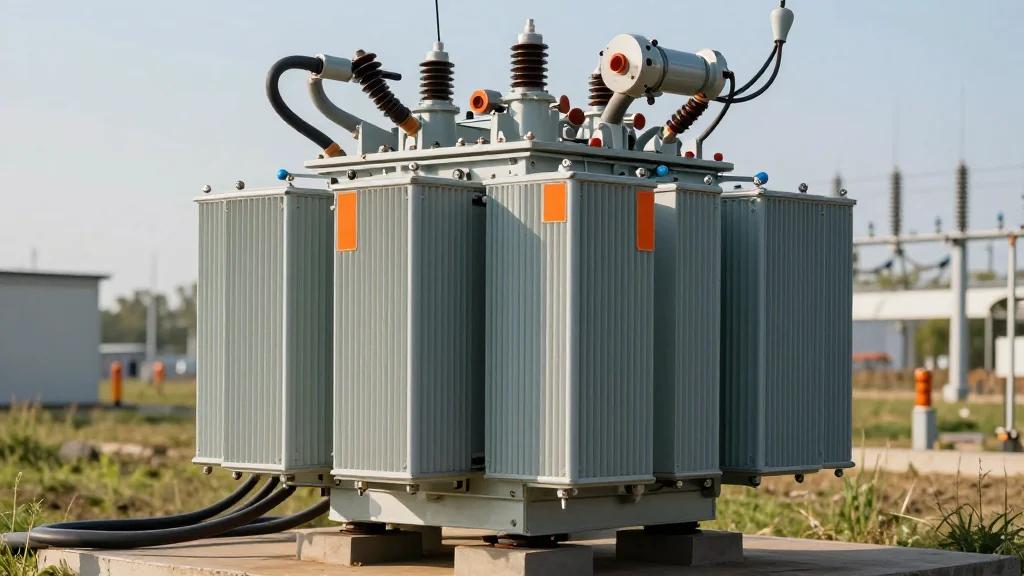
The Second Transformer at Waratah BESS Is Operational (for Testing)
The Waratah Super Battery’s second high‑voltage transformer (HVT2) was placed back in service on 10 April and is now undergoing a testing program. PASA data shows the unit’s availability lifted to 700 MW, though the battery is currently delivering only 350 MW under...
Four Big Non-Conformances at Wind Farms (Coincidentally on Friday 10th April 2026 at the Time of the Frequency Spike). ...
On Friday 10 April 2026 a 50.174 Hz frequency spike hit the Australian NEM just before the 10:30‑10:35 dispatch intervals. Simultaneously AEMO issued eight market notices—two for each of four semi‑scheduled wind farms—labelled non‑conformance and constraining a total of 689 MW. The notices cover...
The Curious Case of a Frequency Spike (Outside of the NOFB) on Friday 10th April 2026
On Friday 10 April 2026 the Australian NEM mainland frequency jumped to 50.174 Hz at 10:30:41.5, breaching the Normal Operating Frequency Band and likely triggering Contingency FCAS. The excursion lasted only one to two dispatch intervals, peaking at 10:30 and receding by 10:35,...

Federal Government Publishes ‘Expectations of Data Centres and AI Infrastructure Developers’
The Australian Federal Government released a policy paper outlining its expectations for data‑centre operators and AI infrastructure developers. The document sets clear standards on energy consumption, water use and national‑interest considerations, echoing recent Australian Financial Review coverage of the sector’s...

AEMC Proposed New Grid Standards for Data Centre Connections
The Australian Energy Market Commission (AEMC) has released a draft rule package proposing new grid connection standards for large data centres. The proposal introduces mandatory ride‑through capability, raises the size threshold for "large" inverter‑based loads to 30 MW, and aligns requirements...
A Quick Look at Dispatch Error for Each Individual Wind Unit (at 03:05 on Thursday 2nd April 2026)
Part 5 of Paul McArdle’s series analyses dispatch error for 84 semi‑scheduled wind farm units at 03:05 on 2 April 2026. The chart shows most units maintaining balanced dispatch error thanks to healthy regional electricity prices, which limited the semi‑dispatch cap’s effect on frequency....

AEMO Releases Preliminary Report Into NSW Market Suspension on the 23rd March 2026
Australian Energy Market Operator (AEMO) released a preliminary report on the New South Wales market suspension that occurred on 23 March 2026. The report attributes the seven‑hour outage to a failure in Transgrid’s SCADA network, which caused a total loss of data...
First Glimpses of Output at REECE2 Unit, Following (Possible) Fire in August 2025
The REECE2 power‑generation unit, sidelined after a suspected fire on 5 August 2025, produced its first measurable output on 1 April 2026, as captured by SCADA data at roughly 08:30 NEM time. Early market data from ez2view’s Bids & Offers widget indicate a cautious approach...
Belatedly Noting AEMO’s Publication of the ‘NEM Dispatch Timing Fact Sheet’
On 10 October 2025 AEMO released its NEM Dispatch Timing Fact Sheet, detailing the mechanics of the 5‑minute dispatch intervals that underpin Australia’s electricity market. The publication follows WattClarity’s recent Energy Literacy series, which has been unpacking the complexities and challenges of...
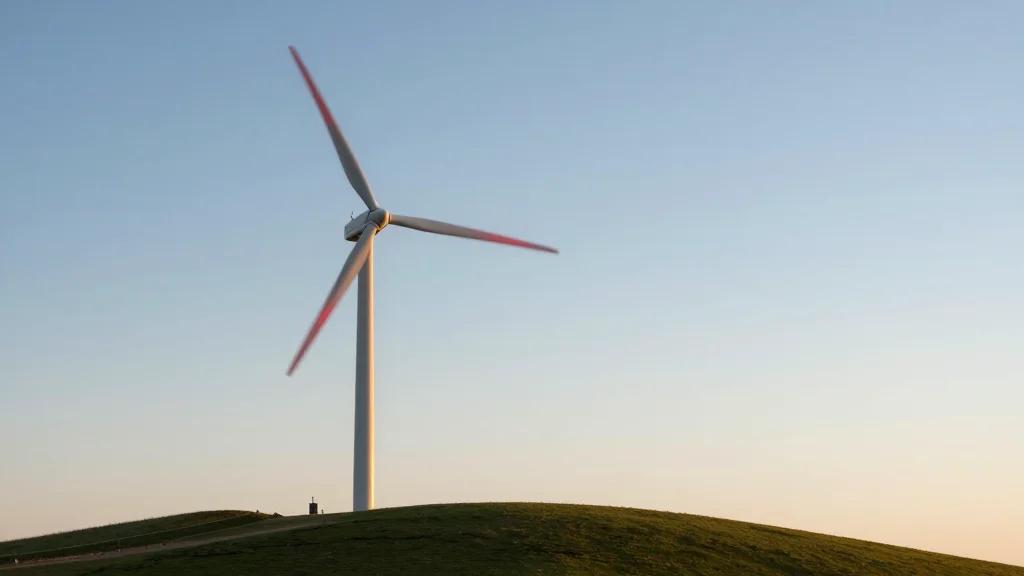
To What Extent Did High-Temperature De-Rating Contribute to Large Under-Performance Across Semi-Scheduled Wind Fleet on Tuesday 27th January 2026?
On Tuesday 27 January 2026, semi‑scheduled wind farms in South Australia and Victoria under‑performed, creating large positive Dispatch Errors that strained system frequency. Temperature spikes in SA and a later cool‑change in VIC closely tracked the three identified error blocks, indicating high‑temperature...