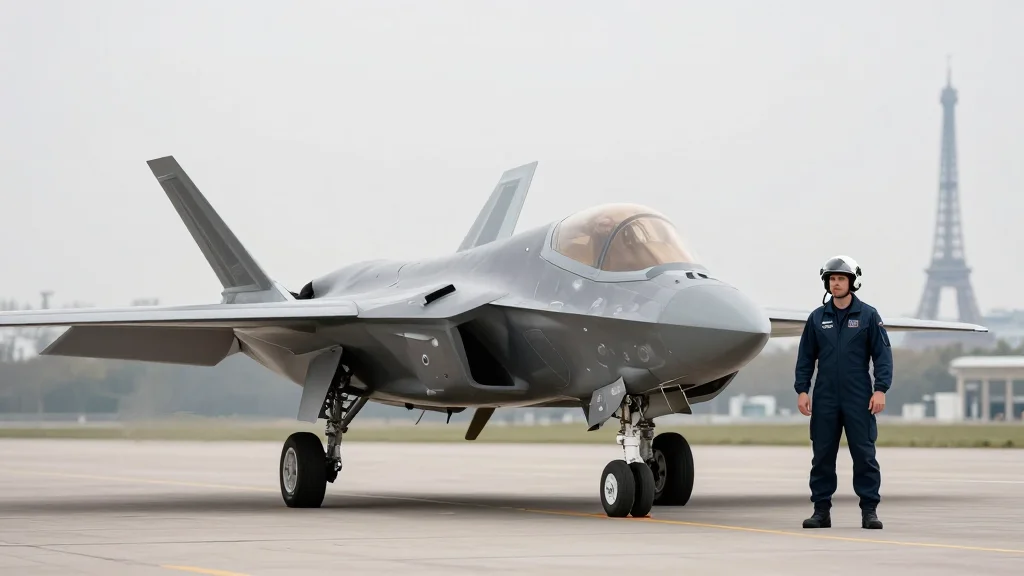
France and Germany’s Fighter Jet Program (FCAS) Is Dead
The Franco‑German Future Combat Air System (FCAS) program, a joint effort to develop a fifth‑generation fighter, has been officially abandoned after nearly a decade of stalled progress. Persistent disagreements over industrial responsibilities, national priorities, and logistics made the partnership untenable. With the collapse, Europe loses its chance to field an indigenous advanced jet, leaving the U.S. F‑35 as the only viable option despite its range constraints. The decision also underscores Germany’s struggle to build an independent defense industrial base.

The Future of Drone Tech: Hybrid Drones
Hybrid drones that merge FPV quadcopter agility with fixed‑wing endurance have entered the Ukraine conflict, delivering up to 100 km strike range—roughly double earlier capabilities. Early Ukrainian deployments show modest payload gains thanks to detachable wings that provide lift after launch....
A Massive Energy Break Coming Soon
Peter Zeihan warns that the ongoing shutdown of the Persian Gulf has removed roughly 13 million barrels per day of crude from the global market, pushing inventories toward their minimum operating levels. He predicts a supply crunch by late June or...

The Future of Drone Tech: Mid-Range Drones
Ukraine is rapidly retrofitting inexpensive commercial drones with small processors and memory chips, giving them autonomous target‑identification and strike capability at ranges of 10‑200 km. The upgrades enable the drones to locate and engage moving targets, turning the battlefield’s rear...
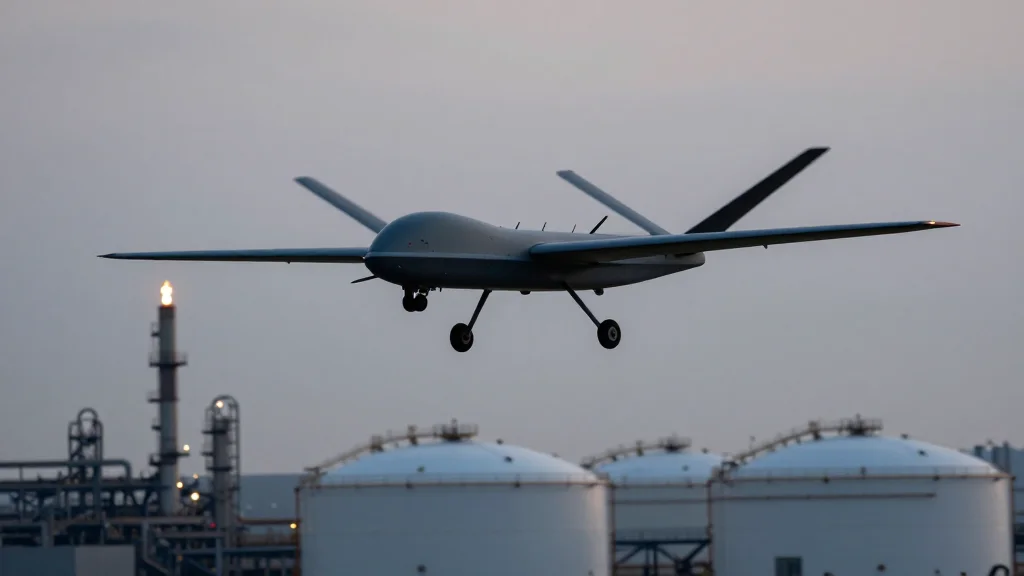
The Future of Drone Tech: Long-Range Strikes
Ukraine has expanded its drone arsenal to reach up to 1,800 km, allowing strikes deep into western Russia. The longer‑range UAVs carry 100‑plus‑pound warheads and are being used primarily against energy infrastructure such as pipelines, pumping stations and ports. Analysts estimate...

Can Iran Control Internet Cables in the Gulf?
Iran has announced plans to assert control over subsea data cables in the Persian Gulf and to levy fees on any traffic that transits the region. The move mirrors Tehran’s broader push to dominate the Strait of Hormuz and threatens...
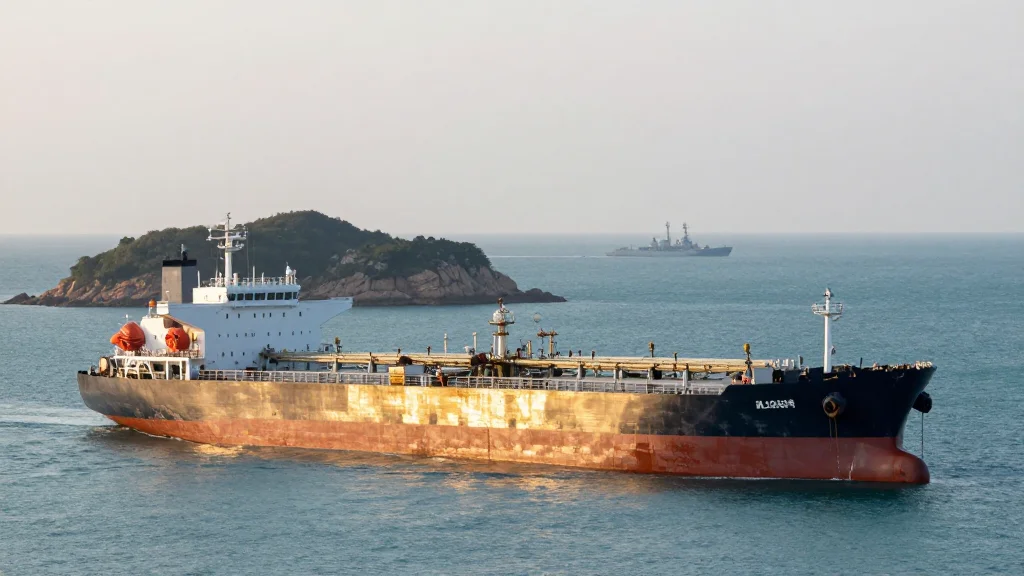
So You Want to Break Iran…
Iran’s oil exports have been crippled by the U.S. blockade of the Strait of Hormuz, forcing Tehran to repurpose idle shadow‑fleet tankers as floating storage near Kharg Island. Roughly 20 large crude carriers are already anchored, with another ten expected...

Russia Tucks Tail in Mali
Russia’s private‑military outfit, the Afrika Korps – the successor to Wagner – suffered a full retreat from northern Mali after a coordinated assault by Tuareg separatists and a local Al‑Qaeda affiliate. The force, limited to roughly 2,500 personnel including logistics,...
The Iran War Approaches a Tipping Point
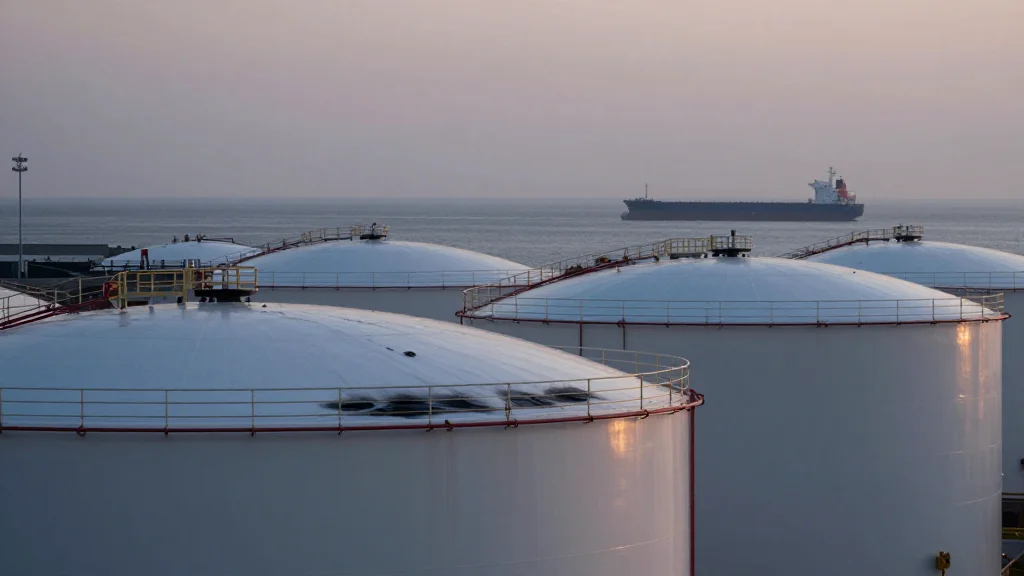
Peter Zeihan warns that Iran's oil storage, estimated at 30‑35 million barrels, is set to hit capacity by week’s end, forcing the country to shut in wells. The forced shutdown threatens permanent damage to Iran’s production capacity and long‑term revenue. As...

Iran War Winners and Losers: North American Energy
The Iran‑Russia conflict has knocked roughly 13‑17 million barrels per day of Persian Gulf and Russian crude offline, pushing global oil prices higher. U.S. shale production is at record levels but costs $30‑60 per barrel, while Canadian oil‑sands extraction runs $60‑70...
Guam and the Practical Impact of Climate Change
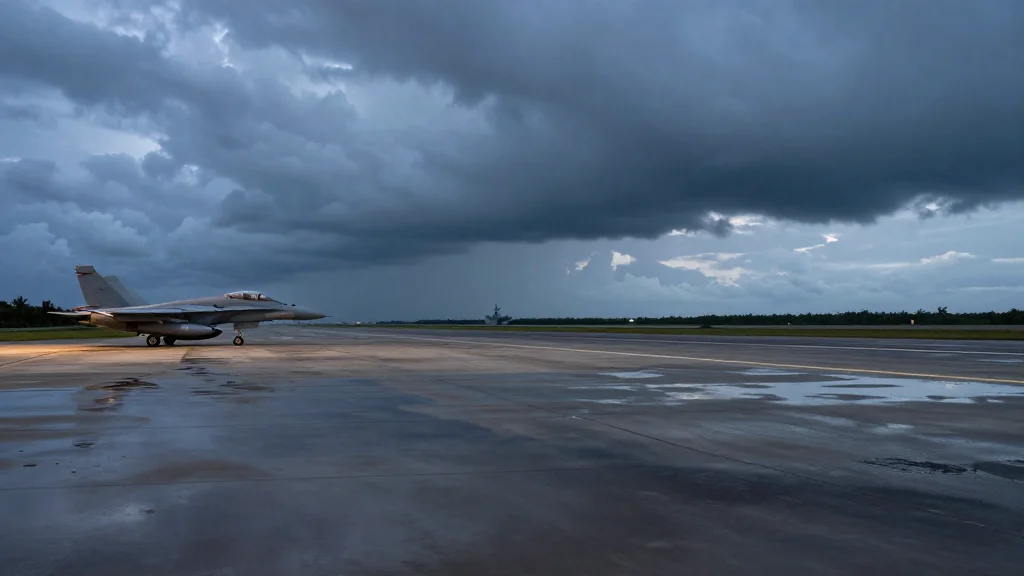
Guam serves as the United States' premier forward base for projecting power across the Asia‑Pacific, but climate change is amplifying super‑typhoon activity that threatens its operational viability. The island has endured two class‑4/5 typhoons within seven years, and rising sea‑level...

A New Era in Hungary: Orbán Gets the Boot
Hungary’s April election delivered a decisive defeat for Viktor Orbán, with his Fidesz party losing its parliamentary majority and newcomer Péter Magyar’s coalition capturing roughly 70% of seats. The result signals a rapid pivot toward deeper EU integration and stronger...

Bring On the Jet Fuel Shortages
Peter Zeihan warns that even if the Iran ceasefire holds, a months‑long global jet‑fuel shortage is already baked in. The shutdown of medium‑heavy sour crude production in Kuwait, Iraq and Saudi Arabia—key feedstock for jet fuel—has removed the primary supply...
Winners and Losers of the Iran War: Ukraine and Russia
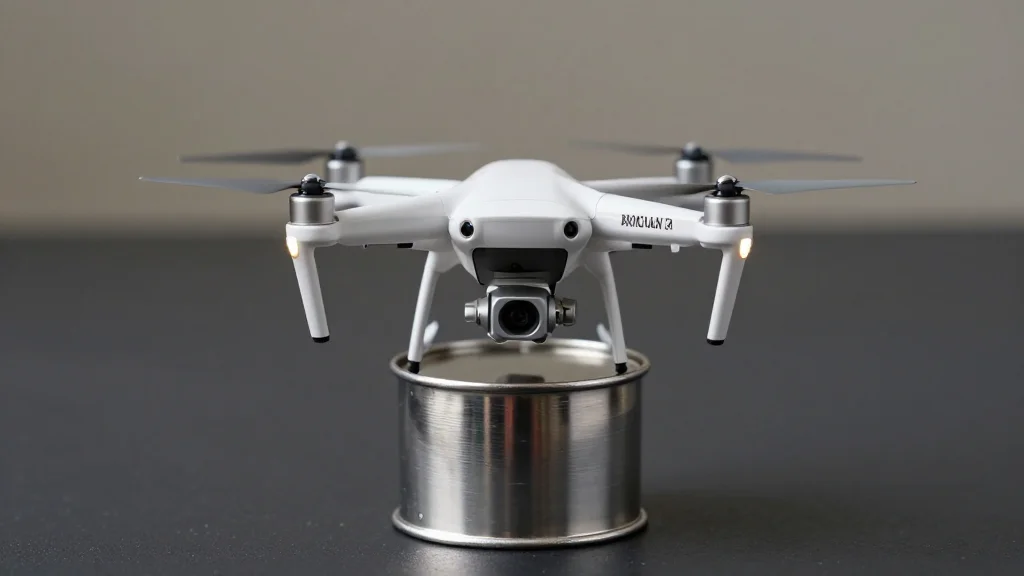
The Iran war has slashed Persian Gulf oil exports to roughly 10‑12 million barrels per day, creating a global supply shortfall and pushing crude prices above $100 a barrel. While Russia initially saw a windfall from higher prices, Ukrainian drone strikes...

How to End American Power
Peter Zeihan argues that Donald Trump’s recent call for nations to secure their own Persian Gulf oil marks a decisive break from the post‑World War II security architecture the United States has provided. By urging allies to develop independent naval forces,...