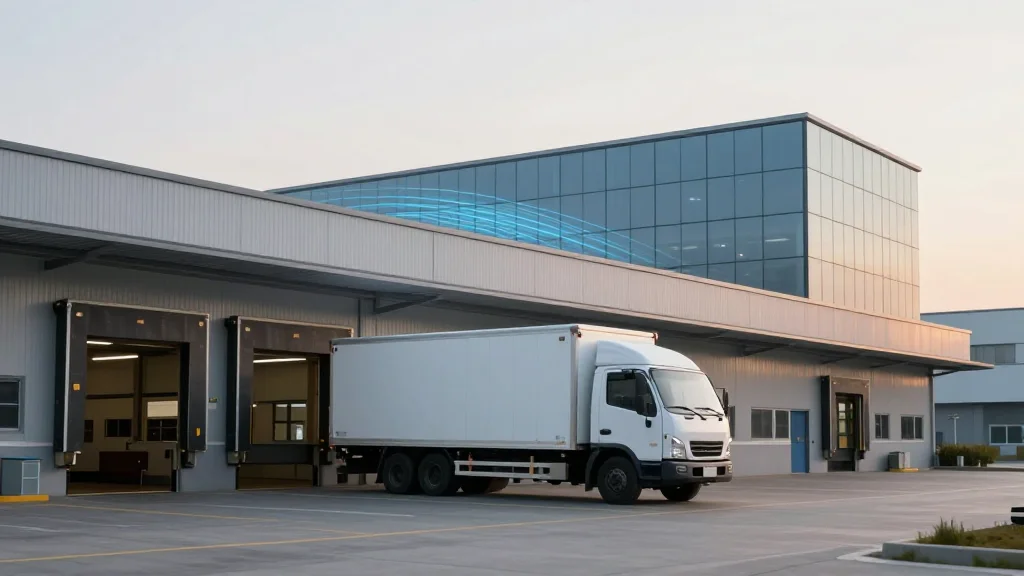
Industrial Real Estate Is Tightening Again, and Now It Favors Last-Mile Owner-Operators

Why It Matters
The shift favors owner‑operators with strategically located last‑mile warehouses, creating pricing power and higher yields for investors. It also signals a longer‑term structural demand boost from e‑commerce and AI infrastructure.
Key Takeaways
- •Link Logistics holds ~0.5B sq ft, ~5% of US GDP flow.
- •Small‑bay infill availability sits at 5‑6%, tighter than national 8‑9%.
- •Construction pipeline down 35%; new starts at 10‑year lows.
- •E‑commerce adds 1.2M sq ft per $1B sales, boosting demand.
- •Data‑center spillover creates 2M sq ft per gigawatt in Phoenix.
Pulse Analysis
The industrial property sector is shedding the pandemic‑era excess that once flooded markets with speculative warehouses. Developers raced to meet soaring e‑commerce demand, only to leave a surplus when consumer spending cooled in 2024. Today, a combination of lower vacancy rates—nationally hovering between 8% and 9%—and a 35% drop in new construction pipelines is tightening supply. This reversal is most pronounced in small‑bay, infill locations that power last‑mile delivery networks, where availability has slipped to roughly 5‑6%, creating a seller’s market for premium assets.
Demand fundamentals are evolving beyond sheer square footage. While e‑commerce remains the primary engine—generating about 1.2 million square feet of warehouse space for every $1 billion in online sales—AI‑driven data‑center projects are emerging as a potent secondary catalyst. Facilities built for server farms require adjacent industrial space for power infrastructure, cooling systems, and maintenance crews, adding an estimated 2 million square feet per gigawatt of data‑center capacity, as seen in Phoenix’s semiconductor cluster. Tenants now prioritize power capacity, automation readiness, and future‑proofing, pushing owners to upgrade electrical systems and integrate EV‑charging and robotics capabilities.
For investors and owner‑operators, the current environment rewards those with strategically positioned last‑mile portfolios. Link Logistics’ half‑billion‑square‑foot footprint, anchored in high‑density markets, is capturing premium rents and higher occupancy rates. As the construction pipeline remains constrained, developers face longer lead times and higher costs, further insulating existing assets. The outlook suggests sustained upward pressure on rates for small‑bay infill space, while bulk distribution centers may experience a more cyclical rebound. Stakeholders who can align property capabilities with the evolving power and automation needs of modern tenants will likely secure superior returns in the next phase of industrial real estate growth.
Industrial Real Estate is Tightening Again, and Now it Favors Last-Mile Owner-Operators
Comments
Want to join the conversation?
Loading comments...