San Francisco’s Housing Market Has Lost Its Mind
Companies Mentioned


Why It Matters
Tech‑driven wealth is inflating San Francisco’s high‑end housing, widening the city’s affordability gap and signaling potential market volatility as more equity becomes liquid.
Key Takeaways
- •Luxury sales up 22% YoY in March
- •Median contract time fell to 12 days
- •Buyers paying up to double asking price
- •Tech equity liquidity fuels price surge
- •Non‑luxury market growth under 4%
Pulse Analysis
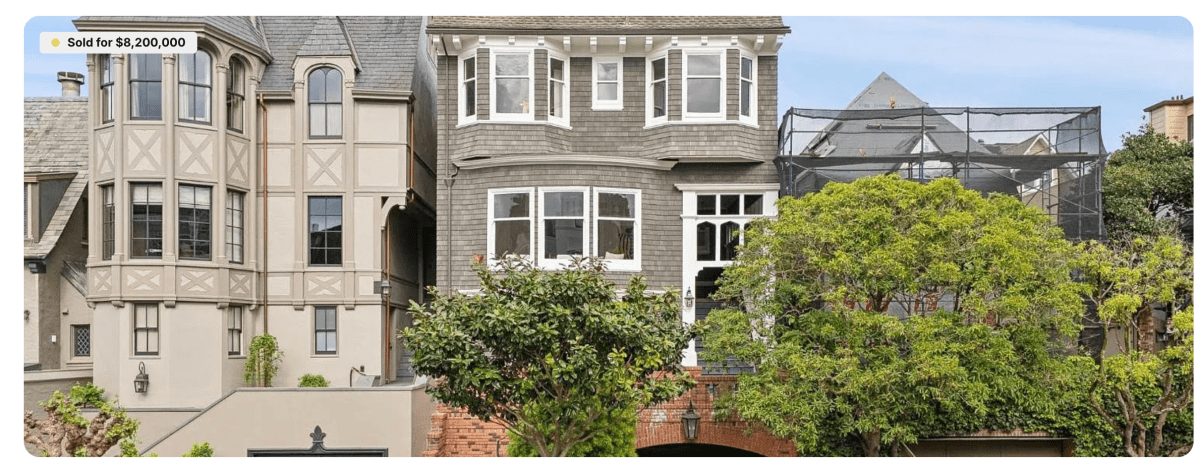
San Francisco has long been synonymous with sky‑high housing costs, but the current wave of ultra‑luxury transactions is rewriting the city’s price narrative. Recent sales—such as a 5,700‑sq‑ft Cow Hollow home that sold for $15 million, just weeks after listing—illustrate buyers willing to pay well above asking. Redfin’s March data confirms this frenzy: luxury home sales jumped 22% year‑over‑year, and contracts now close in a median of 12 days, compared with 28 days a year earlier. By contrast, the broader market shows modest growth, with non‑luxury sales rising less than 4% and prices essentially flat.
The catalyst behind the surge is the unprecedented liquidity flowing from the city’s tech sector. Employees at AI powerhouses like OpenAI and Anthropic have been cashing out secondary‑market shares, converting paper wealth into cash that is quickly redeployed into real estate. This influx of capital is not limited to the eight‑figure tier; even mid‑range homes are seeing $500,000‑$1 million premiums over asking. The phenomenon underscores how localized wealth creation can distort housing dynamics, creating a bifurcated market where luxury properties appreciate rapidly while affordable units lag behind.
Looking ahead, the market could accelerate further as private‑equity‑rich tech firms approach IPOs. An IPO for OpenAI, Anthropic, or SpaceX would unlock billions in shareholder value, potentially flooding the housing market with even more cash. Such a scenario would deepen San Francisco’s affordability crisis, forcing policymakers and developers to confront a widening gap between ultra‑wealthy buyers and the city’s average resident. Stakeholders must monitor equity liquidity trends closely, as they will likely dictate the next phase of the Bay Area’s real estate cycle.
San Francisco’s housing market has lost its mind
Comments
Want to join the conversation?
Loading comments...