Homeowners Trade $400K Houses for RV Freedom or AI Stock Deals



Why It Matters
The two stories underscore a broader re‑thinking of homeownership as a static, wealth‑building vehicle. By converting a $400,000 house into a mobile dwelling, the Dooleys demonstrate that families can achieve lifestyle flexibility and lower ongoing costs, potentially reshaping demand for mid‑range single‑family homes. Meanwhile, the Noguera family’s willingness to accept AI‑stock as payment reflects growing confidence in technology‑driven wealth creation, suggesting that future real‑estate deals could incorporate non‑cash assets. If these alternative strategies proliferate, they could dampen traditional home‑price growth, alter mortgage‑backed‑securities risk profiles, and force the industry to develop new appraisal standards for equity‑based transactions. Additionally, the trend may influence urban planning and infrastructure investment. A rise in full‑time RV living could increase demand for RV parks, hook‑up sites, and mobile‑friendly utilities, while a shift toward equity‑based payments might encourage more private‑equity firms to partner with real‑estate developers, blurring the lines between property and venture capital markets.
Key Takeaways
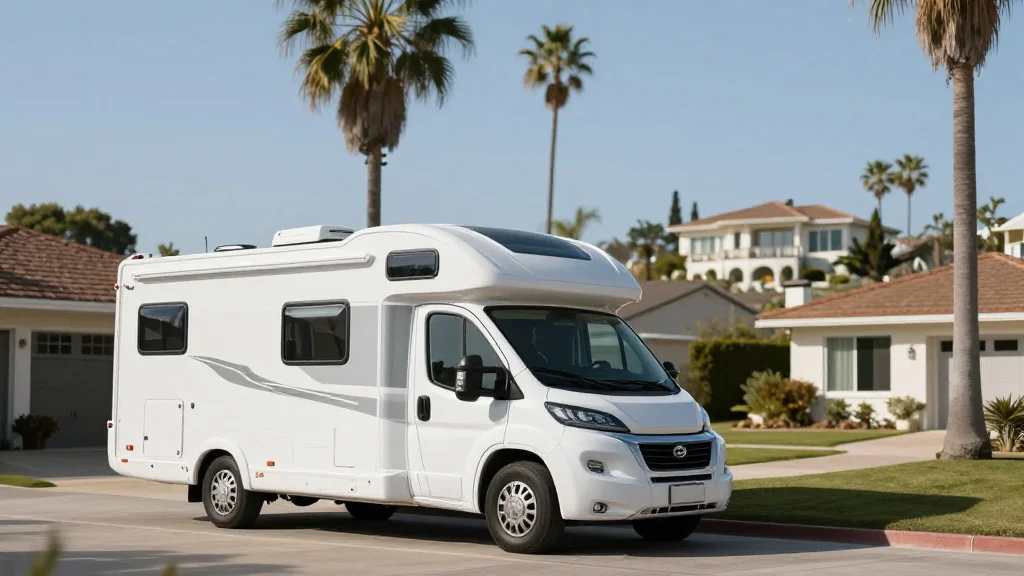
- •Florida family sold a $400,000 house to live full‑time in a 450‑sq‑ft RV, citing lower stress and mobility.
- •Miami family is fielding offers that would pay for their $2.6 million waterfront home with OpenAI, Anthropic or SpaceX shares.
- •RV sales have risen 12% YoY, indicating growing consumer interest in mobile living.
- •AI‑stock interest reflects a belief that high‑growth private equity can outperform traditional real‑estate appreciation.
- •Real‑estate brokers report an uptick in inquiries about non‑cash transaction structures.
Pulse Analysis
The Dooleys’ pivot to an RV lifestyle is emblematic of a post‑pandemic desire for flexibility, but it also signals a potential softening of demand for entry‑level single‑family homes. With mortgage rates hovering above 6%, many households are re‑calculating the total cost of ownership, including maintenance, insurance and property taxes. An RV, while still a capital expense, eliminates many of those recurring costs and offers a tax‑advantaged depreciation schedule that can be more attractive for families seeking to preserve cash flow. If the RV market continues its upward trajectory, developers may need to consider mixed‑use projects that incorporate permanent‑site RV accommodations alongside traditional housing.
Conversely, the Noguera family’s openness to AI‑stock payment reflects a generational shift in asset allocation. Millennials and Gen‑Z investors, who grew up with equity‑focused portfolios, are increasingly comfortable treating private‑company shares as a legitimate store of wealth. This mindset could reshape how high‑net‑worth individuals approach real‑estate transactions, especially in markets where price appreciation is limited by supply constraints or regulatory caps. Lenders may soon encounter loan applications backed by a combination of real‑estate collateral and private‑equity holdings, prompting a re‑examination of underwriting criteria.
In the medium term, we may see a bifurcation of the residential market: one side driven by traditional buyers seeking stability, and another driven by asset‑flexible buyers who view homes as interchangeable with other high‑growth investments. Policymakers and industry participants should monitor these dynamics closely, as they could influence housing supply, pricing volatility, and the broader financial system’s exposure to non‑traditional asset classes.
Homeowners Trade $400K Houses for RV Freedom or AI Stock Deals
Comments
Want to join the conversation?
Loading comments...