Reftop Homes and Agrofield Unveil Integrated Real‑Estate‑Agriculture Platform in Nigeria

Why It Matters
The Reftop platform signals a shift in how emerging‑market investors can achieve portfolio diversification without leaving a single jurisdiction. By embedding agricultural productivity into real‑estate assets, the model tackles two persistent challenges: the scarcity of reliable property titles and the need for higher agricultural output to meet Nigeria’s food‑security targets. If replicated, this approach could reshape capital allocation across West Africa, encouraging more private money to flow into sectors traditionally dependent on public funding. Moreover, the dual‑return structure offers a hedge against macro‑economic shocks. Real‑estate markets in Nigeria have been vulnerable to currency fluctuations and policy uncertainty, while agriculture provides a more stable cash flow tied to commodity demand. The integration therefore creates a more resilient investment proposition, potentially attracting risk‑averse institutional capital and expanding the investor base beyond the domestic market.
Key Takeaways
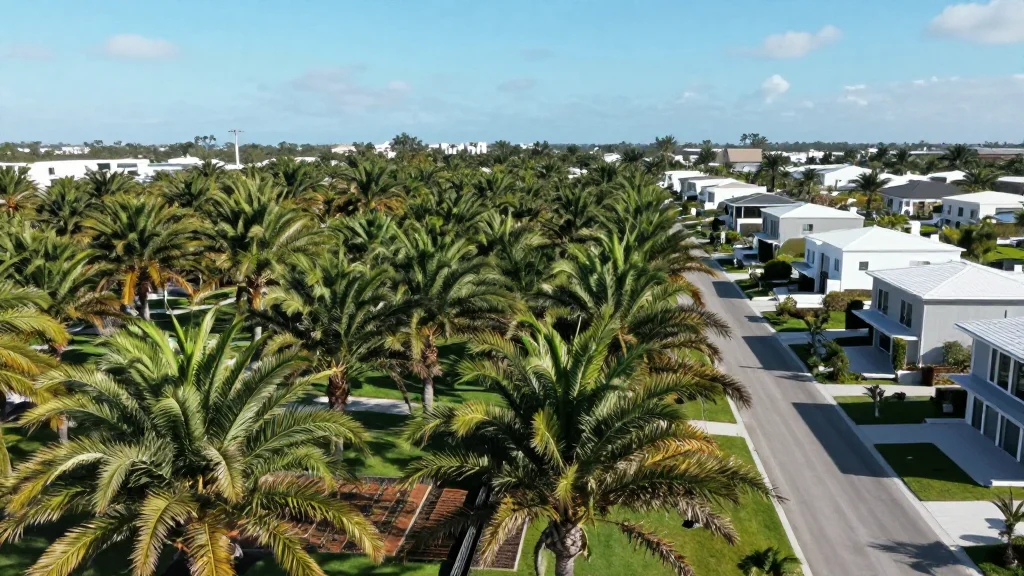
- •Reftop Homes and Reftop Agrofield launch a combined real‑estate and palm‑plantation investment platform.
- •Flagship Palm Crest project targets strategic agro‑zones in Ogun and Oyo states.
- •Over 4,000 clients have been served since the company’s inception, emphasizing strong trust and repeat investment.
- •Investors receive immediate plot allocation and full documentation, addressing chronic title‑clearance issues.
- •Dual returns combine land‑value appreciation with agricultural yields, aiming to attract diaspora and institutional investors.
Pulse Analysis
Historically, Nigeria’s real‑estate and agricultural sectors have operated in silos, each grappling with its own set of systemic risks. Property developers have struggled with title disputes and delayed allocations, while agribusinesses have faced financing gaps and limited access to capital markets. Reftop’s integrated platform bridges this divide, creating a composite asset that leverages the strengths of both sectors. The model’s appeal lies in its ability to offer a predictable income stream from palm production while still capturing the upside of urban land appreciation—a combination that could redefine risk‑adjusted returns for investors in the region.
The timing is also crucial. Nigeria’s urban population is projected to exceed 150 million by 2030, driving demand for housing and commercial space along corridors like Lagos‑Abuja. Simultaneously, the government’s push for agricultural self‑sufficiency has spurred policy incentives for large‑scale farming. By aligning its development pipeline with these macro trends, Reftop positions itself to capture both public and private funding streams, potentially unlocking billions of dollars of latent capital.
However, the model is not without challenges. Coordinating land‑use approvals across multiple jurisdictions can be cumbersome, and the success of the agricultural component hinges on effective farm management, climate resilience and market access for palm products. Investors will scrutinize yield forecasts and the firm’s ability to deliver on promised returns. If Reftop can demonstrate consistent harvest cycles and maintain transparent reporting, the platform could set a precedent for integrated investment structures across other emerging markets, prompting competitors to explore similar hybrid offerings.
Reftop Homes and Agrofield Unveil Integrated Real‑Estate‑Agriculture Platform in Nigeria
Comments
Want to join the conversation?
Loading comments...