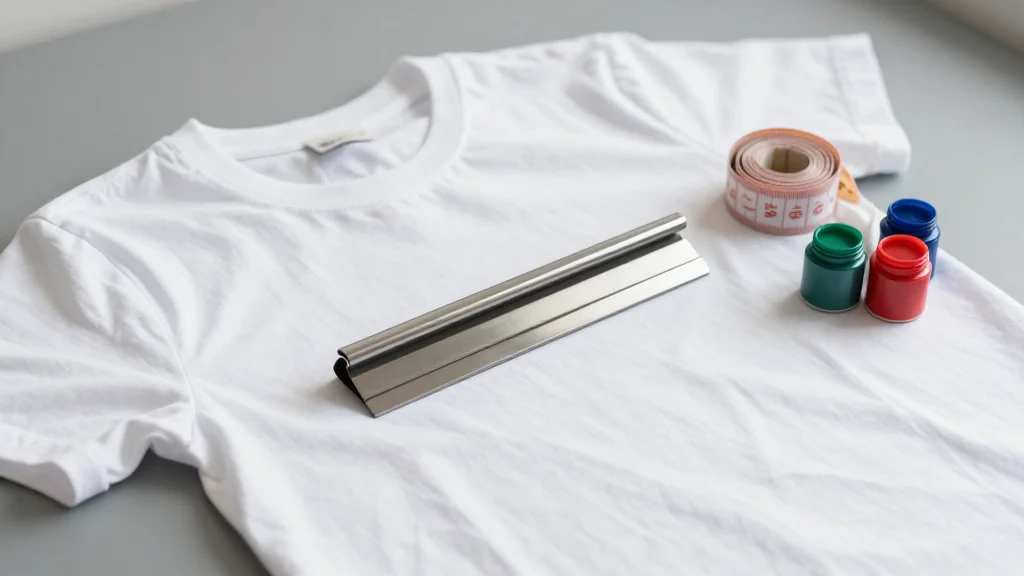
Custom T-Shirts: What Most People Get Wrong Before Their First Order

Key Takeaways
- •Fabric weight determines drape, durability, and suitable use case
- •Choose screen printing for bulk simple designs; DTG for full‑color small runs
- •Provide vector files for screen printing; 300 DPI raster for DTG
- •Factor ink colors, placement, and extra finishes into per‑shirt cost
- •Order 4‑6 weeks ahead; rush fees add 20‑50 % cost
Pulse Analysis
The custom apparel market has exploded as startups and established brands use t‑shirts to reinforce identity and generate buzz. Yet the ease of online design tools masks a series of technical decisions that can erode margins. Understanding how fabric composition influences drape, wash‑ability, and print adhesion is the first line of defense against premature returns and brand‑image damage. By treating the blank as a product component rather than a cost placeholder, buyers can align material choice with the garment’s intended lifespan, whether it’s a one‑off event tee or a work‑wear uniform.
Print technology selection is equally consequential. Screen printing remains the most economical option for high‑volume, low‑color runs because setup costs are amortized across dozens or hundreds of shirts. Conversely, direct‑to‑garment (DTG) excels with intricate, full‑color artwork and short runs, offering flat per‑unit pricing that sidesteps the incremental expense of additional screens. Heat‑transfer vinyl and sublimation fill niche roles such as personalized numbers or all‑over polyester graphics. Matching the method to the design and fabric not only controls unit cost but also safeguards color fidelity, a critical factor for brand consistency.
Operationally, the most successful orders start with precise documentation. Collecting exact size distributions, confirming Pantone color references, and requesting physical samples of the chosen blank reduce the risk of costly re‑prints. Budgeting should incorporate hidden variables—extra ink colors, multiple placement locations, specialty inks, and post‑production finishes—that often appear only on the final invoice. Planning a four‑to‑six‑week lead time, with a buffer for proofs and shipping, eliminates rush premiums that can add 20‑50 % to the total. A disciplined, data‑driven approach transforms a simple t‑shirt order into a strategic branding investment.
Custom T-Shirts: What Most People Get Wrong Before Their First Order
Comments
Want to join the conversation?