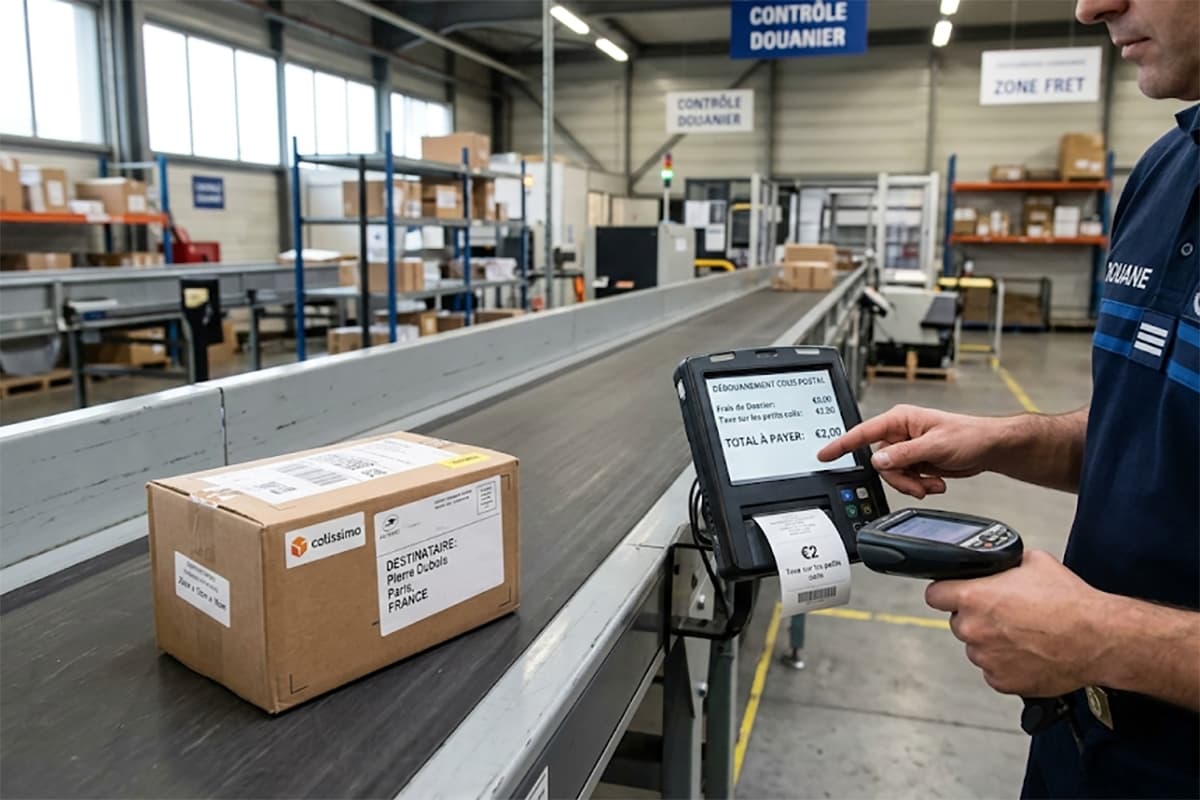
€2 TPC Comes Into Effect in France for Low Value Parcels
•March 2, 2026
0
Why It Matters
The €2 per‑HS‑code charge adds a predictable cost layer and new compliance steps for all sellers targeting the French market, potentially reshaping pricing and logistics strategies.
Key Takeaways
- •€2 tax per HS code on parcels ≤€150.
- •Applies to France, Monaco, Guadeloupe, Martinique, Réunion.
- •IOSS senders pay via VAT; DDU recipients pay.
- •6‑digit HS code for mainland; 8‑digit for overseas.
- •Small e‑commerce sellers face new compliance costs.
Pulse Analysis
France’s €2 Taxe sur les petits colis (TPC) marks a decisive shift in how low‑value imports are taxed. Introduced as an interim measure before the EU eliminates de‑minimis rules, the tax targets parcels under €150 arriving from non‑EU origins. By applying the charge per HS‑code rather than per parcel, the French government aims to capture revenue from high‑volume, low‑margin e‑commerce players such as SHEIN and Temu, while extending the scope to all sellers shipping to mainland France and its overseas territories.
For businesses, the operational impact is immediate. IOSS‑registered exporters must integrate the €2 fee into their existing VAT filings, either through a French IOSS account or via the OSS “declare & pay” service. Those using Delivered Duties Unpaid (DDU) will see the cost passed to French recipients, who may also face additional handling fees from La Poste. Accurate HS‑code classification becomes critical: six‑digit codes suffice for mainland shipments, but eight‑digit codes are required for other French departments. Companies must adjust invoicing, update customs documentation, and potentially revise pricing models to maintain margins.
Strategically, the tax incentivises sellers to reconsider delivery terms. Pre‑paid options like PDDP or IOSS can streamline the buyer experience by absorbing the fee, whereas DDU may deter price‑sensitive customers. Firms should evaluate the cost‑benefit of registering for the French OSS, negotiate carrier agreements that accommodate HS‑code granularity, and communicate the new charge transparently to end‑users. Early adaptation will mitigate disruption and preserve competitiveness in one of Europe’s largest e‑commerce markets.
€2 TPC comes into effect in France for low value parcels
0
Comments
Want to join the conversation?
Loading comments...