6 Ways Retailers Are Augmenting the In-Store Experience with AI
Companies Mentioned

Why It Matters
These AI initiatives boost operational efficiency, reduce waste, and personalize the in‑store experience, giving retailers a competitive edge as consumer expectations shift toward seamless, data‑driven shopping.
Key Takeaways
- •Iceland AI reduces stockouts, cuts waste, boosts sales
- •M&S equips 11,000 staff with Microsoft 365 Copilot
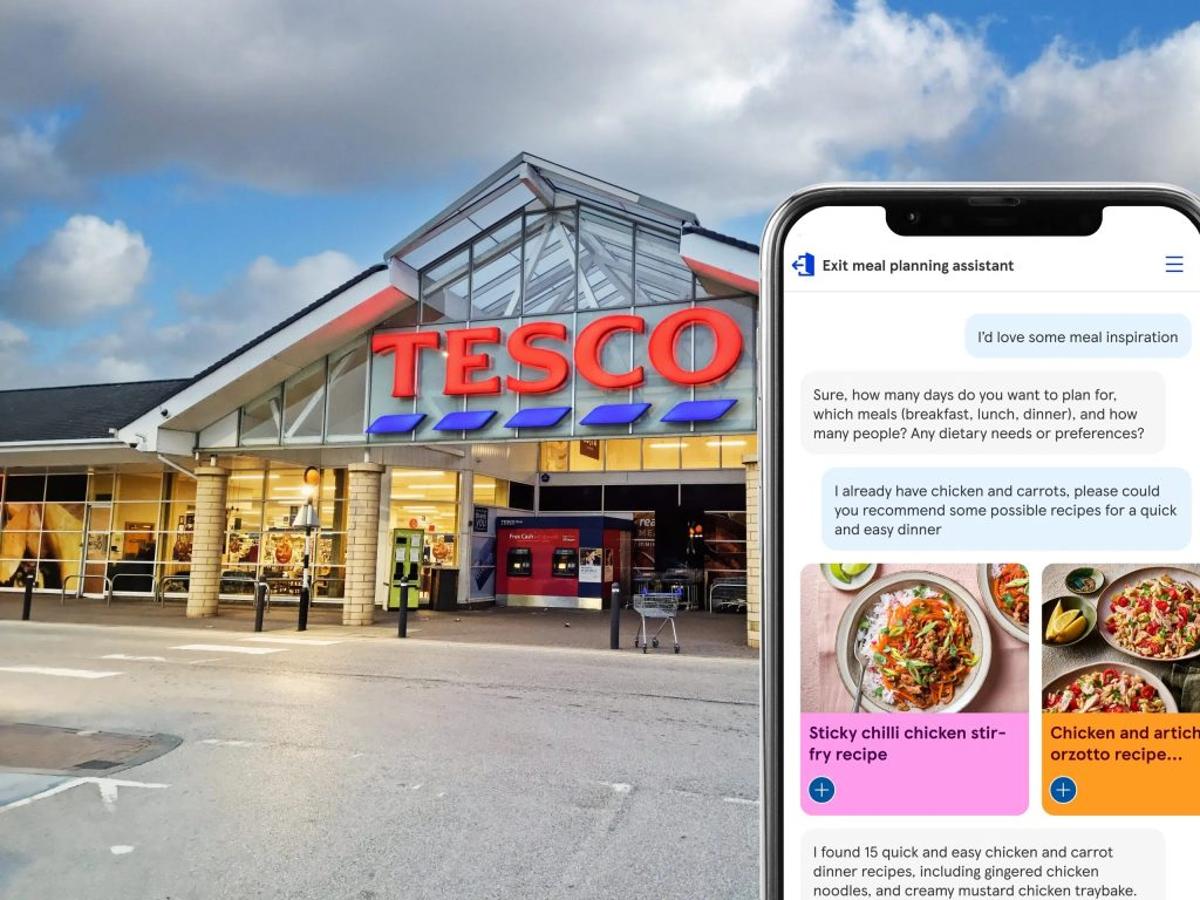
- •Tesco pilots AI shopping assistant with 280,000 employees
- •Morrisons uses Google Gemini to locate items in aisles
- •Sainsbury’s launches AI-powered Nectar360 Pollen retail media platform
Pulse Analysis
The retail sector is witnessing a rapid migration of artificial intelligence from digital storefronts into physical locations. Advanced forecasting models, like Iceland’s AI‑driven replenishment engine, ingest sales velocity, promotions and seasonal spikes to predict demand with minute‑by‑minute precision. By automating stock allocation, retailers can shrink out‑of‑stock incidents, lower perishable waste, and capture incremental revenue that would otherwise be lost. This shift reflects a broader industry consensus that AI is no longer a back‑office tool but a front‑line catalyst for profit.
Employee productivity is another frontier where AI is delivering measurable gains. M&S’s rollout of 11,000 Microsoft 365 Copilot licences equips store managers and support teams with generative‑AI assistants that draft meeting notes, synthesize sales dashboards and generate shift rosters in seconds. Similarly, Tesco’s internal beta of an AI shopping assistant lets 280,000 staff test conversational meal‑planning features, surfacing insights that will later streamline the customer journey. These deployments free frontline staff to focus on high‑touch interactions, directly enhancing service quality and basket size.
Looking ahead, AI‑powered platforms are set to reshape retail media and luxury advising. Sainsbury’s Nectar360 Pollen consolidates audience data, media planning and performance measurement into a single AI‑enhanced portal, enabling brands to deliver hyper‑relevant ads while tracking multi‑touch attribution. LVMH’s cloud‑based data hub equips advisors at Louis Vuitton and Sephora with real‑time product knowledge and personalized recommendations, blurring the line between sales assistance and digital concierge. As AI models become more context‑aware and integrated with store infrastructure, retailers that master these technologies will capture higher margins, stronger loyalty, and a decisive advantage in an increasingly competitive marketplace.
6 ways retailers are augmenting the in-store experience with AI
Comments
Want to join the conversation?
Loading comments...