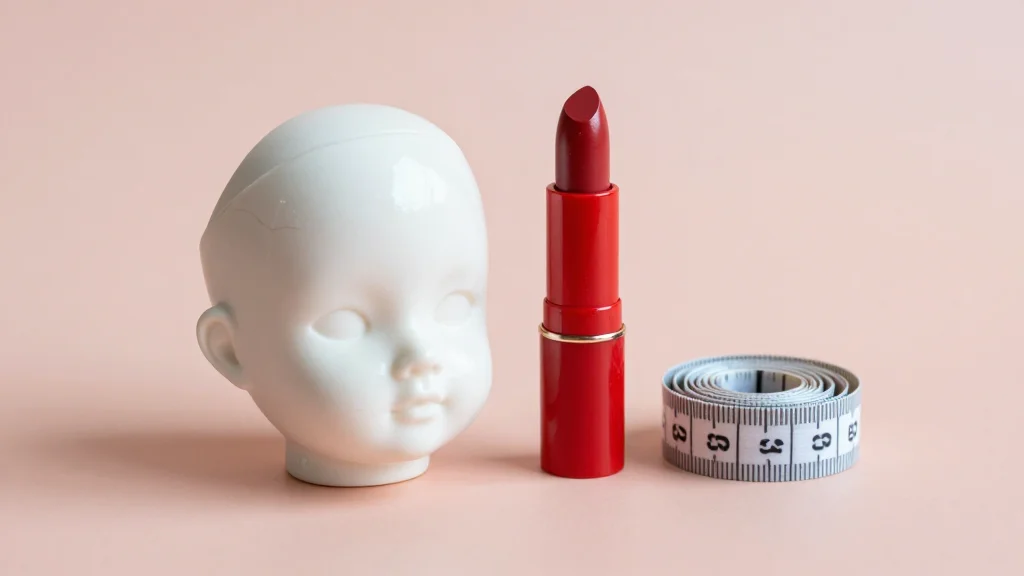
‘A Toxic Environment for Children’ — Inside the Beauty ‘Cosmeticorexia’ Battle
Why It Matters
Cosmeticorexia threatens children’s mental health and fuels a market for risky beauty products, prompting urgent regulatory and societal responses. Addressing it is essential to protect a vulnerable generation and reshape industry practices.
Key Takeaways
- •Social media amplifies unrealistic beauty standards among minors
- •Teen demand for non‑surgical enhancements has doubled in five years
- •Psychologists warn of increased eating‑disorder symptoms linked to cosmetics
- •Regulators consider age‑based restrictions on cosmetic advertising
Pulse Analysis
The term "cosmeticorexia" captures a disturbing convergence of beauty culture and eating‑disorder pathology, where young people obsess over skin perfection as a proxy for weight control. Platforms like TikTok and Instagram showcase flawless filters and rapid‑fire tutorials, normalising invasive routines such as excessive skin‑care layering, extreme dieting, and even early‑age injectables. This digital echo chamber fuels a feedback loop: children internalise unattainable ideals, seek validation through consumption, and experience heightened anxiety when they fall short.
Health professionals are sounding alarms as pediatricians report a spike in body‑image concerns tied directly to cosmetic trends. The American Academy of Pediatrics notes a 30% rise in teens requesting non‑surgical procedures, from dermal fillers to laser treatments, often without parental consent. Simultaneously, eating‑disorder clinics observe a correlation between obsessive skin‑care regimens and restrictive eating patterns, suggesting that the pursuit of flawless appearance can exacerbate or mask underlying nutritional issues. Policymakers are therefore evaluating age‑gating rules for beauty advertising and stricter labelling of products marketed to minors.
The industry’s response is mixed. While some brands are launching "clean" lines and educational campaigns to distance themselves from harmful messaging, others double down on influencer partnerships that perpetuate the cycle. Investors watch closely, as consumer backlash could reshape market dynamics and drive demand for transparent, health‑focused beauty solutions. Ultimately, a coordinated effort—spanning regulation, parental guidance, and responsible marketing—is required to dismantle the toxic environment and safeguard children’s well‑being.
‘A toxic environment for children’ — inside the beauty ‘cosmeticorexia’ battle
Comments
Want to join the conversation?
Loading comments...