Affordable Brands Tap Into Luxury’s Penchant for Alluring Dials
•March 6, 2026
0
Why It Matters
The dial‑centric wave democratizes luxury aesthetics, opening new revenue streams for mid‑tier brands and reshaping consumer expectations across the watch industry.
Key Takeaways
- •Bold dial colors drive demand across luxury and affordable segments
- •Dennison revived, sold 4,500 stone‑dial watches in 2025
- •Quartz movements keep exotic dials under £1,000
- •Materials like lapis, tiger’s eye sourced globally for low cost
- •Fordite emerges as sustainable, psychedelic dial alternative
Pulse Analysis
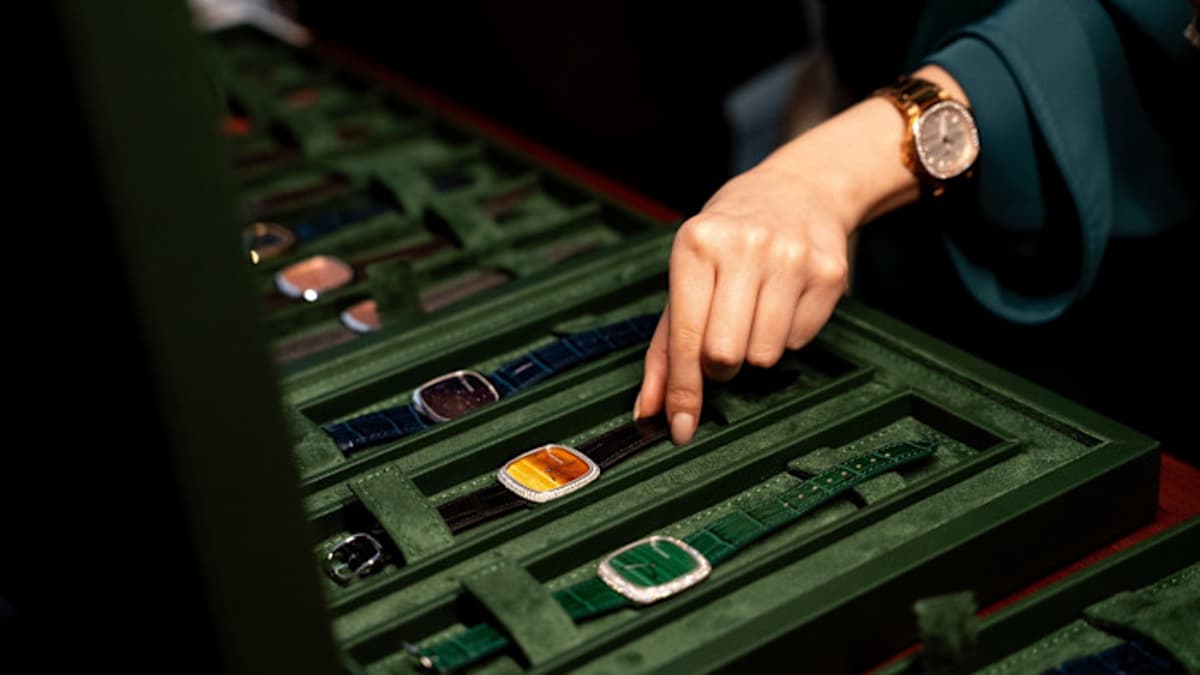
The resurgence of eye‑catching dials marks a cultural pivot in horology. While the early 2000s revived mechanical watchmaking, it was the splash of orange, pink and turquoise on Rolex’s Oyster Perpetual that signaled a broader appetite for visual experimentation. Historical precedents—such as Rolex’s 1970s Stella dials and Piaget’s jade‑laden pieces—have become collector’s items, proving that colour and material can command premium prices. Today, luxury houses are re‑introducing meteorite, semi‑precious stones, and bespoke finishes, reinforcing the dial as a primary differentiator in a crowded market.
Affordability is the new frontier for dial innovation. Dennison’s 2024 comeback illustrates how quartz movements and strategic sourcing can deliver stone‑face watches for under £1,000, a fraction of the $50,000 price tag of comparable high‑end models. By partnering with designers like Emmanuel Gueit and tapping global supplies of malachite, lapis lazuli and tiger’s eye, the brand scales exotic aesthetics without the hand‑craft intensity of Swiss ateliers. Competitors such as Nivada Grenchen, Bulova and Louis Erard are following suit, offering titanium cases and limited‑edition meteorite or timascus dials at price points accessible to enthusiasts and first‑time buyers.
The broader implication is a democratization of luxury visual language. As consumers prioritize distinctive dials over traditional complications, manufacturers are experimenting with sustainable and unconventional materials—fordite, a recycled automotive paint composite, exemplifies this shift. These alternatives not only reduce costs but also appeal to environmentally conscious buyers. The convergence of bold design, cost‑effective quartz tech, and novel materials is likely to expand the watch market’s base, prompting legacy brands to rethink pricing strategies while new entrants capitalize on the growing demand for statement pieces.
Affordable brands tap into luxury’s penchant for alluring dials
0
Comments
Want to join the conversation?
Loading comments...