Companies Mentioned
Why It Matters
Sunday openings could restore lost market share for Aldi and reshape Belgium’s retail landscape, pressuring Colruyt to reconsider its stance.
Key Takeaways
- •Aldi Belgium seeks union talks to open stores on Sundays
- •First‑quarter revenue fell 0.2% as rivals gain Sunday shoppers
- •Lidl and Carrefour already benefit from Sunday openings, boosting sales
- •Colruyt may become only major chain staying closed on Sundays
- •Union suspends talks, citing vague rollout plans from Aldi
Pulse Analysis
Across Western Europe, the relaxation of Sunday trading restrictions has become a strategic lever for discount grocers seeking incremental traffic. In Belgium, where labor agreements traditionally limit retail hours, chains such as Lidl, Carrefour and the local brand Okay have already begun opening on Sundays, citing modest but measurable sales lifts. Aldi’s Belgian arm, part of the global Aldi Süd network, is now testing the waters by entering formal negotiations with the ACLVB and other unions. The company frames the initiative as a way to secure a “sustainable future” for both shoppers and employees amid a rapidly evolving retail environment.
The push comes after Aldi reported a 0.2 % decline in first‑quarter revenue, a modest dip that the discounter attributes to customers drifting to rivals that are open on Sundays. Lidl’s exploratory talks and Carrefour’s recent sales uptick—partly credited to its Sunday schedule—illustrate how even a single extra trading day can tip the competitive balance in a market where price sensitivity is high. However, union representatives halted the initial meeting, arguing that Aldi’s proposal lacks clarity on store selection and potential Monday‑morning openings, raising concerns about labor costs and scheduling stability.
If Aldi secures Sunday permission, the Belgian grocery sector could see a convergence toward seven‑day trading, squeezing Colruyt’s traditional closed‑Sunday model. Analysts warn that remaining the sole chain without Sunday hours may erode footfall and brand relevance, especially among younger shoppers accustomed to omnichannel convenience. Conversely, Colruyt argues that the additional labor expenses would outweigh incremental sales, a stance that may resonate if union negotiations tighten. The outcome will likely set a precedent for future labor‑retail dialogues in Belgium, influencing how discount and premium supermarkets balance profitability with evolving consumer expectations.
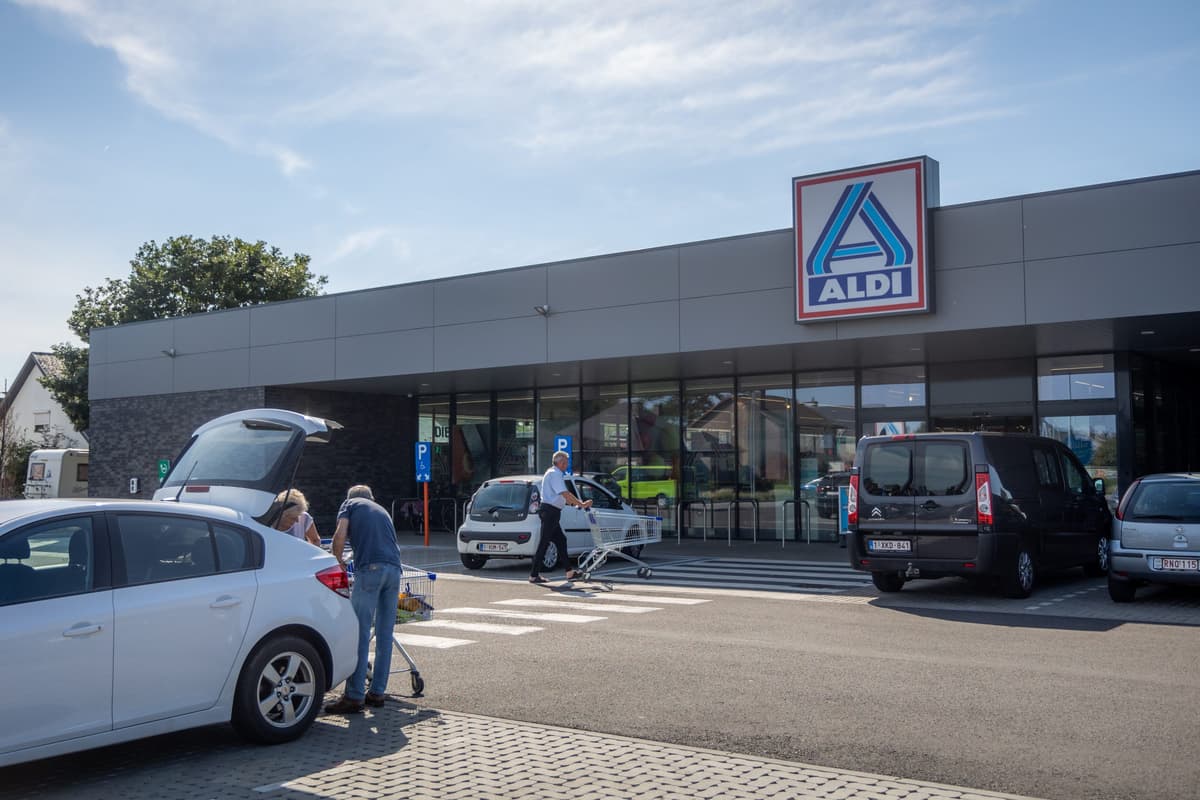
Aldi Belgium considers opening on Sundays
Comments
Want to join the conversation?
Loading comments...