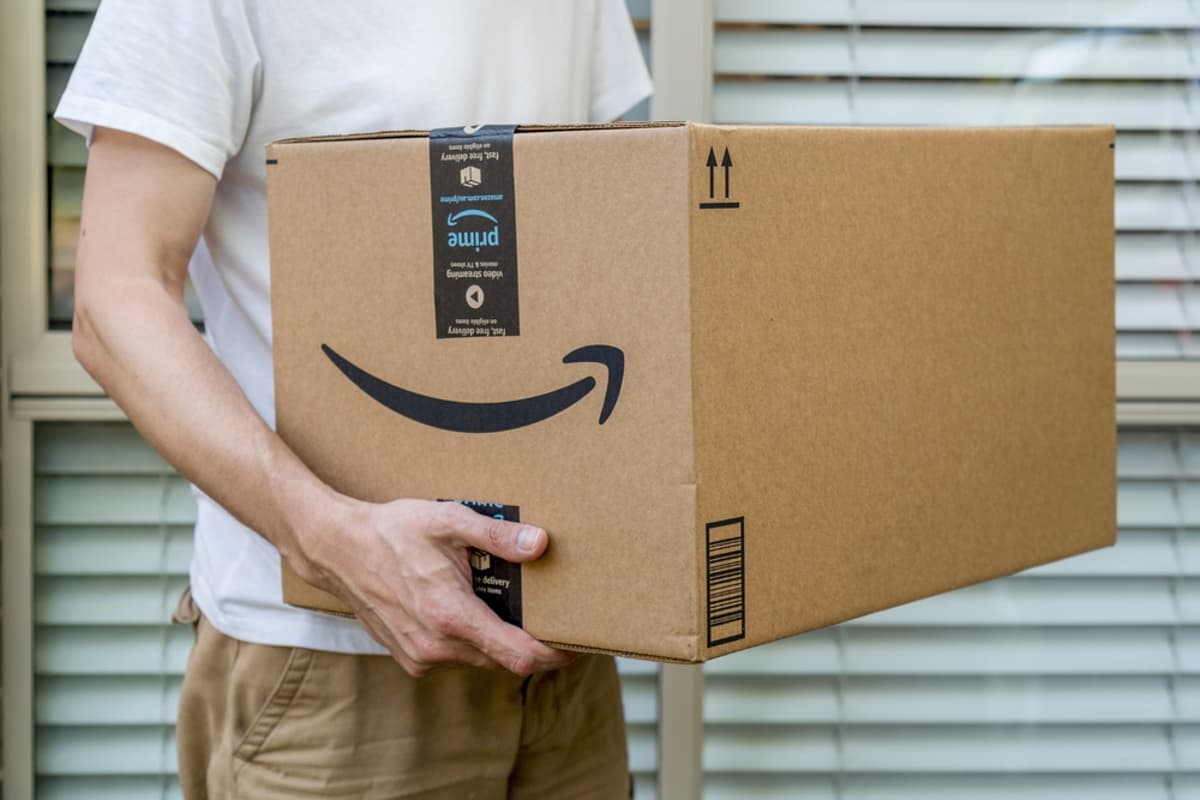
Amazon Overtakes Schwarz Group (Lidl) as Europe’s Largest Retailer
•March 9, 2026
0
Why It Matters
Amazon’s top position underscores the power of its marketplace model to outpace traditional brick‑and‑mortar chains, reshaping European retail competition and supply‑chain dynamics.
Key Takeaways
- •Amazon GMV €179.7 billion, edging Schwarz by €0.3 bn.
- •Schwarz Group holds €179.4 billion, close second place.
- •Aldi trails with €99 billion, €80 billion gap.
- •Marketplace model drives Amazon’s rapid European growth.
Pulse Analysis
Amazon’s ascent to the top of Europe’s retail hierarchy is rooted in its expansive marketplace platform, which aggregates millions of third‑party sellers under a single digital storefront. By leveraging sophisticated logistics, Prime membership incentives, and data‑driven pricing, the company captured €179.7 billion in gross merchandise value last year. This figure not only eclipses the combined sales of Lidl and Kaufland’s parent, Schwarz Group, but also widens the chasm to the next challenger, Aldi, by more than €80 billion. The result is a clear demonstration of how a technology‑first approach can outpace conventional grocery chains.
The ripple effect across the European retail sector is immediate. Traditional operators such as Schwarz, Aldi, and Carrefour now face pressure to accelerate their own e‑commerce capabilities, invest in omnichannel fulfillment, and renegotiate supplier contracts that were once dominated by in‑store shelf space. Regulators are also sharpening scrutiny, concerned that Amazon’s scale could distort competition and data privacy norms. Meanwhile, suppliers benefit from broader market access but must navigate tighter margin expectations and the demand for rapid delivery cycles imposed by the marketplace model.
Looking ahead, Amazon’s lead is unlikely to be fleeting. The company is expanding its private‑label portfolio, experimenting with cashier‑less stores, and deepening its logistics network through new fulfillment centers across Germany, France, and the UK. Competitors may respond by consolidating, forming strategic alliances, or investing heavily in proprietary platforms to reclaim market share. However, the capital intensity required to match Amazon’s scale presents a barrier for many regional players. Stakeholders should monitor how the balance between digital convenience and regulatory oversight evolves in Europe’s retail ecosystem.
Amazon overtakes Schwarz Group (Lidl) as Europe’s largest retailer
0
Comments
Want to join the conversation?
Loading comments...