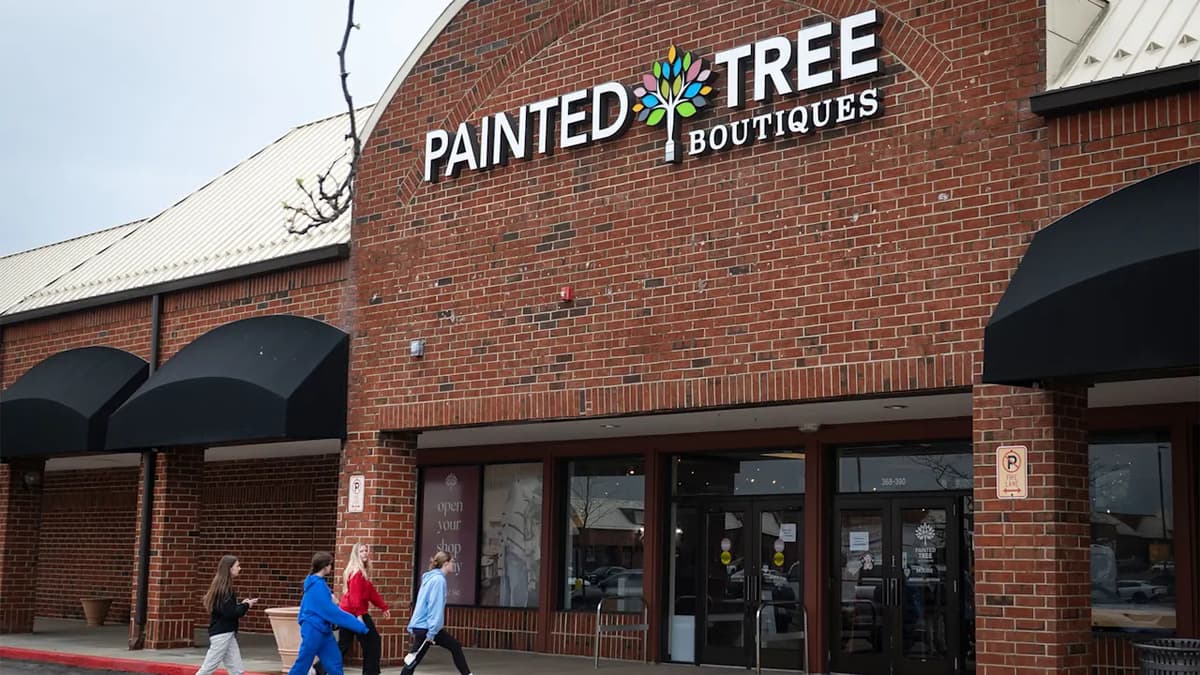
An Etsy-Style Retail Chain Abruptly Closed All of Its Stores, Leaving Customers and Vendors Blindsided
Companies Mentioned
Why It Matters
The sudden shutdown removes a key physical marketplace for thousands of micro‑entrepreneurs, forcing them to seek costly online alternatives. It also underscores the fragility of hybrid retail models that depend on leased boutique spaces.
Key Takeaways
- •Painted Tree operated 60+ stores in 12+ states before abrupt shutdown
- •Vendors received only 10 days to retrieve inventory after email notice
- •Many locations were former Bed Bath & Beyond sites repurposed as boutiques
- •Closure blindsided employees, customers, and small‑business owners, sparking backlash
Pulse Analysis
The rise of Etsy‑style brick‑and‑mortar concepts promised a tangible outlet for independent makers who struggled to gain visibility online. Painted Tree Boutiques capitalized on vacant big‑box real estate, converting former Bed Bath & Beyond stores into curated marketplaces where local artisans could rent booths and showcase gifts, clothing, and home décor. At its peak, the chain spanned more than 60 locations across a dozen states, positioning itself as a hybrid between a physical mall and a digital marketplace.
When the company abruptly announced its shutdown on April 14, the fallout was immediate. Vendors were given a ten‑day window—often during limited daytime hours—to retrieve inventory, a timeline that proved impossible for many small‑business owners who relied on the storefront for cash flow and brand exposure. Employees faced sudden unemployment, while customers were left with unfulfilled orders and a sudden loss of a community shopping hub. Legal experts note that such rapid terminations can trigger breach‑of‑contract claims, especially when lease agreements or vendor contracts lack clear termination clauses.
The Painted Tree episode serves as a cautionary tale for investors and entrepreneurs eyeing the physical‑online hybrid model. While repurposing vacant retail space can reduce overhead, the business remains vulnerable to cash‑flow shocks and shifting consumer habits. Future ventures will need robust contingency plans, transparent communication protocols, and diversified revenue streams to protect both the brand and the independent sellers who depend on it. The industry is likely to see more cautious roll‑outs, with a stronger emphasis on digital integration and contractual safeguards.
An Etsy-style retail chain abruptly closed all of its stores, leaving customers and vendors blindsided
Comments
Want to join the conversation?
Loading comments...