Why It Matters
Impulse produce purchases represent a sizable, under‑tapped revenue stream for grocers, while educating consumers on organic benefits can lift premium margins and brand loyalty.
Key Takeaways
- •90% buy unplanned produce; 48% do so frequently
- •Recipes and cross‑merchandising increase impulse produce sales
- •Price, appearance, and social media drive purchase decisions
- •Organic education gaps limit higher‑margin sales growth
- •OTA targets Gen Z, millennials with “Seal Makes it Simple”
Pulse Analysis
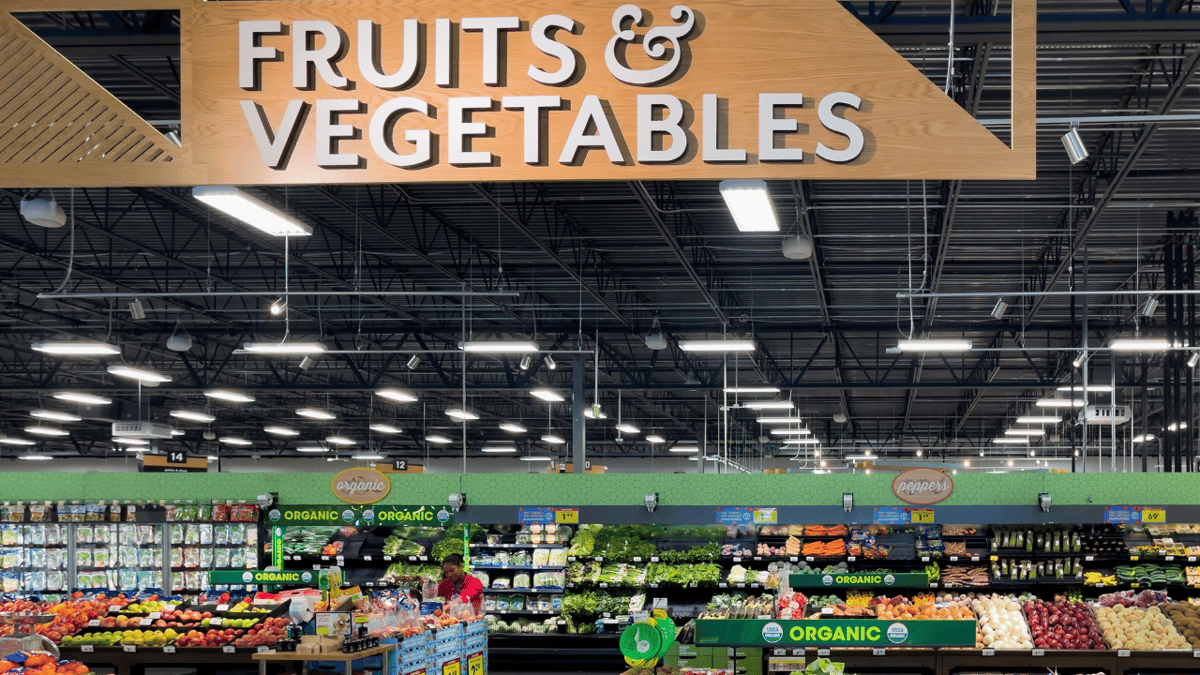
Impulse buying is reshaping the fresh‑produce aisle. Recent consumer research shows that nearly every shopper leaves the store with at least one unplanned fruit or vegetable, a behavior amplified by in‑store recipe cards, cross‑category displays and visually striking seasonal signage. Social media platforms further fuel this trend, offering meal‑planning ideas that translate into spontaneous purchases. For retailers, these cues create low‑cost opportunities to boost basket size without relying on traditional price promotions.
However, the upside is tempered by price sensitivity and a lingering confusion around organic labeling. Shoppers facing financial pressure still respond to clear price signals and visual appeal, but many remain unsure what the USDA Organic seal actually guarantees. This knowledge gap hampers the adoption of higher‑margin organic produce, even as health‑conscious consumers express interest. The Organic Trade Association’s recent "Seal Makes it Simple" initiative tackles this barrier by highlighting what organic products exclude, such as synthetic pesticides, and by tailoring messaging to younger demographics that prioritize wellness.
For grocers, the path forward lies in marrying impulse‑driven merchandising with targeted education. High‑quality displays, concise signage and interactive digital content can reinforce the health benefits of organic options while maintaining the visual allure that drives spontaneous buys. Leveraging data‑driven insights to personalize recipe recommendations for Gen Z and millennial shoppers can deepen engagement and foster repeat purchases. By integrating these tactics both in‑store and online, retailers can capture incremental sales, improve profit margins, and build lasting loyalty among the most influential consumer segments.
An impulsive plan for greater produce sales
0
Comments
Want to join the conversation?
Loading comments...