Artisans Recast Landmark Tiffany Designs Into Horological Form
•March 6, 2026
0
Why It Matters
The watch signals Tiffany’s ambition to compete in ultra‑luxury horology by leveraging its jewellery heritage to create scarce, artisanal pieces that command premium pricing, influencing market dynamics among high‑end watchmakers.
Key Takeaways
- •Tiffany's Enamel Diamond Watch uses paillonné enamel technique.
- •Only 15 pieces produced annually due to labor intensity.
- •Quartz movement chosen because rotor too heavy for spinning dial.
- •Enamel color achieved by listening to powder's sound.
- •Design references Jean Schlumberger's 1962 “Bird on a Rock” bangle.
Pulse Analysis
Tiffany & Co. entered the modern watch arena long before its 2021 acquisition by LVMH, but the French conglomerate’s backing has accelerated the brand’s push into ultra‑luxury horology. The newly unveiled Enamel Diamond Watch epitomises this strategy, marrying the jeweller’s storied design language with the technical rigor of Swiss watchmaking. By reinterpreting Jean Schlumberger’s 1962 “Bird on a Rock” paillonné enamel bangle, Tiffany creates a narrative bridge between its jewellery legacy and the coveted realm of haute horlogerie, positioning itself alongside Hermès, Bvlgari and Louis Vuitton.
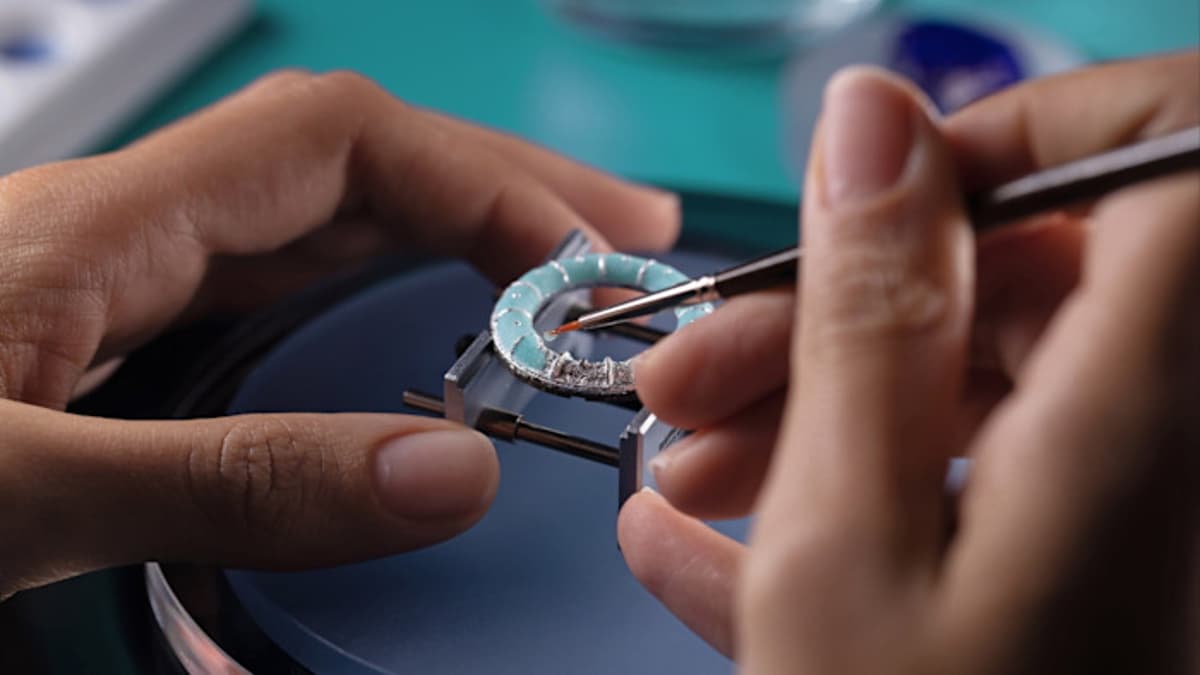
The watch’s most striking feature is a spinning enamel‑filled dial ring that rotates on precision ball‑bearings, a visual homage to the original bangle’s fluid movement. Because the ring is too heavy to function as an automatic rotor, Tiffany opted for a battery‑powered quartz movement, ensuring reliability while preserving the artistic intent. Crafting the paillonné enamel demands Limoges‑trained artisans who layer gold leaf and enamel by hand, a process that consumes 55 hours per ring plus an additional ten hours for gold‑stitch assembly. This labor‑intensive workflow caps annual output at roughly fifteen pieces, reinforcing the model’s exclusivity.
From a business perspective, the Enamel Diamond Watch illustrates how heritage brands can monetize iconic design DNA through limited‑edition timepieces. Scarcity, combined with the allure of hand‑crafted paillonné enamel and a multi‑carat diamond bracelet, commands a premium price point and appeals to collectors seeking both artistic pedigree and investment value. As luxury consumers increasingly prioritize experiential ownership, Tiffany’s ability to translate a 1960s jewellery motif into a functional watch may inspire rivals to explore similar cross‑disciplinary collaborations, reshaping the competitive landscape of high‑end horology.
Artisans recast landmark Tiffany designs into horological form
0
Comments
Want to join the conversation?
Loading comments...