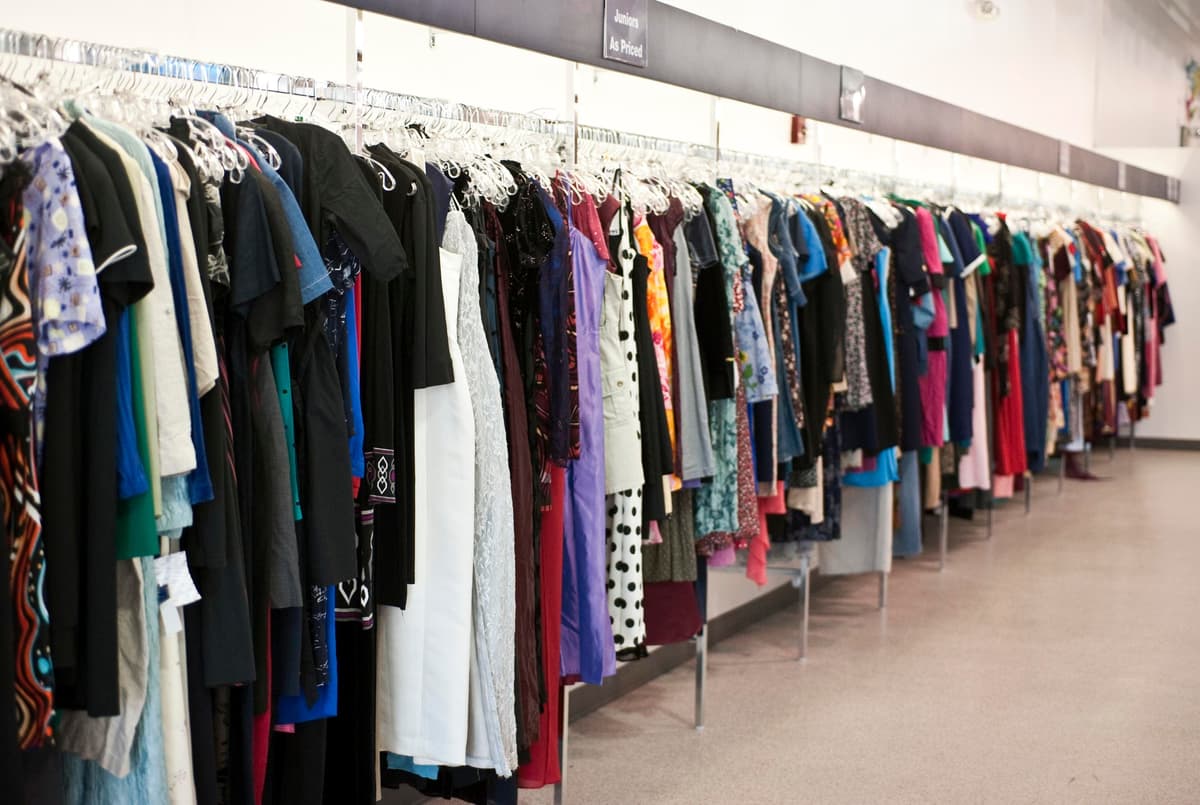
Brands Keep Treating Gen Z Like Younger Millennials, And It's Costing Them
Companies Mentioned
Why It Matters
Misreading Gen Z’s values erodes brand relevance and forfeits a rapidly growing resale market, threatening long‑term revenue.
Key Takeaways
- •Gen Z prioritizes resale before new purchases
- •82% evaluate resale value before buying new items
- •Pinterest drives over 50% of Gen Z product discovery
- •Luxury flagship stores meet Gen Z discovery expectations
- •Brands misreading Gen Z risk losing market relevance
Pulse Analysis
Gen Z’s consumer behavior is reshaping retail fundamentals, moving beyond the millennial playbook of storytelling toward a data‑driven, resale‑centric approach. Their willingness to evaluate resale value before purchase reflects a broader sustainability mindset, prompting brands to embed circularity into product design and pricing strategies. Retailers that ignore this shift risk alienating a cohort that already accounts for a majority of secondhand market growth, a segment projected to double fast‑fashion revenues by 2029.
Digital discovery platforms have become the new storefront for Gen Z, with Pinterest alone accounting for over half of its user base and 85% of those users leveraging the site for product inspiration. This visual‑first environment fuels hyper‑specific trends—from adventure‑driven travel searches to niche food items—signaling that Gen Z values experiential capital as much as price. Brands must therefore integrate real‑time social listening and community feedback loops to stay ahead of these micro‑trends, turning passive audiences into active co‑creators.
Physical retail is not disappearing but is evolving into curated experience hubs where identity formation occurs. Luxury flagships and concept stores that blend craftsmanship with immersive storytelling succeed in attracting Gen Z, yet price barriers limit broader appeal. To capture this audience, retailers should adopt flexible store formats that combine discovery zones, resale sections, and transparent supply‑chain information, aligning with Gen Z’s demand for authenticity and participation. Companies that recalibrate their strategies now will secure loyalty and capture a share of the burgeoning $74 billion resale market.
Brands Keep Treating Gen Z Like Younger Millennials, And It's Costing Them
Comments
Want to join the conversation?
Loading comments...