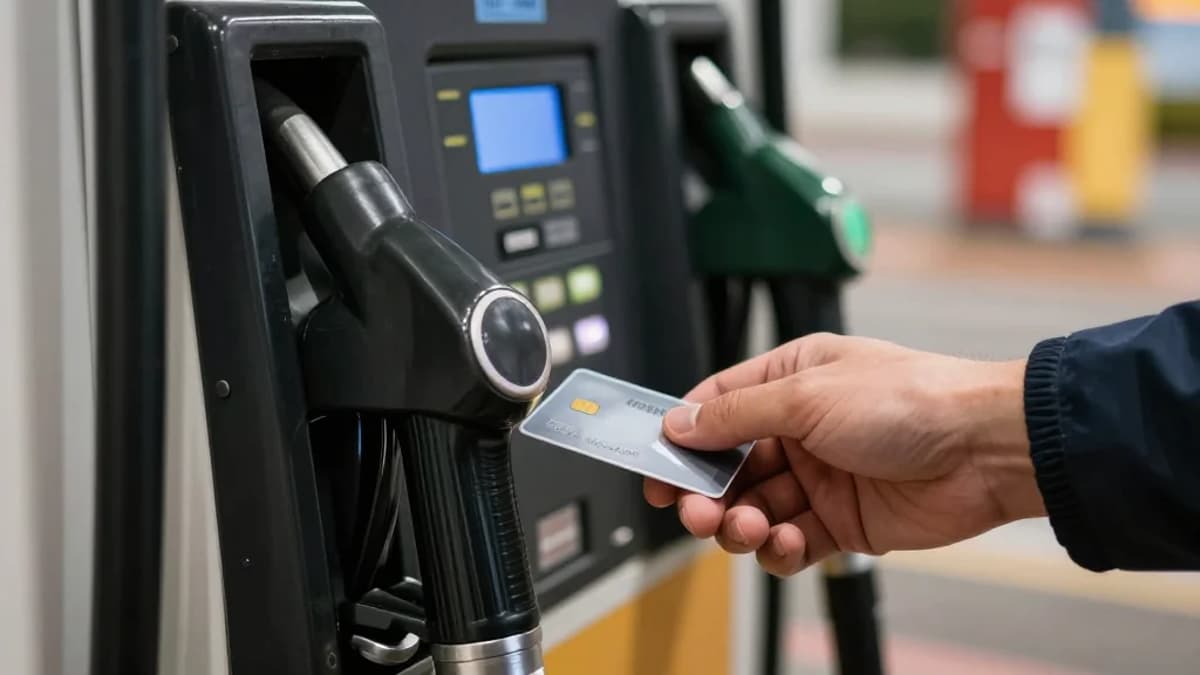
Buc-Ee's New Gas Pump Rule Sparks drama...and It's Not About Parking
•March 9, 2026
0
Why It Matters
The policy directly impacts the customer experience at one of the nation’s fastest‑growing convenience‑store chains, potentially affecting foot traffic and fuel sales. It also reflects broader industry trends toward contactless, at‑pump transactions and operational efficiency.
Key Takeaways
- •Card users must pay at pump starting March 1, 2026.
- •Cash can still be pre‑paid inside store.
- •Goal: speed traffic, reduce pump line delays.
- •Customers worry about card skimmers and holds.
- •Some drivers may abandon Buc‑ee’s due to inconvenience.
Pulse Analysis
Buc‑ee’s, known for its massive travel‑center footprint and 24‑hour convenience, has traditionally let card‑paying drivers settle fuel purchases inside the store alongside snacks and coffee. By mandating at‑pump payment for all card transactions, the chain aligns its fuel operation with the broader shift toward contactless, self‑service models that dominate modern gas stations. This move also leverages the company’s extensive network of over 150 locations, where reducing bottlenecks can translate into measurable time savings for both customers and staff.
From an operational standpoint, the rule targets two persistent pain points: pump‑line congestion and security concerns. Allowing cash pre‑pay inside preserves flexibility for unbanked shoppers, while forcing card users to the pump discourages lingering inside the store, freeing aisles for higher‑margin merchandise. Additionally, limiting card use to the pump may mitigate skimmer exposure and simplify transaction reconciliation, though it introduces the risk of temporary holds on debit balances—a point already sparking online debate. The policy’s timing, coinciding with rising fuel prices, suggests Buc‑ee’s is prioritizing throughput over the convenience of bundled purchases.
Consumer reaction will likely dictate the rule’s long‑term viability. Early social‑media chatter shows a split between efficiency‑focused drivers and loyal patrons who value the one‑stop‑shop experience. If the inconvenience outweighs perceived benefits, Buc‑ee’s could see a dip in repeat fuel traffic, prompting competitors to highlight more flexible payment options. Conversely, a smooth rollout may set a new industry benchmark, encouraging other large‑scale convenience chains to adopt similar at‑pump card mandates as part of broader digital‑first strategies.
Buc-ee's new gas pump rule sparks drama...and it's not about parking
0
Comments
Want to join the conversation?
Loading comments...