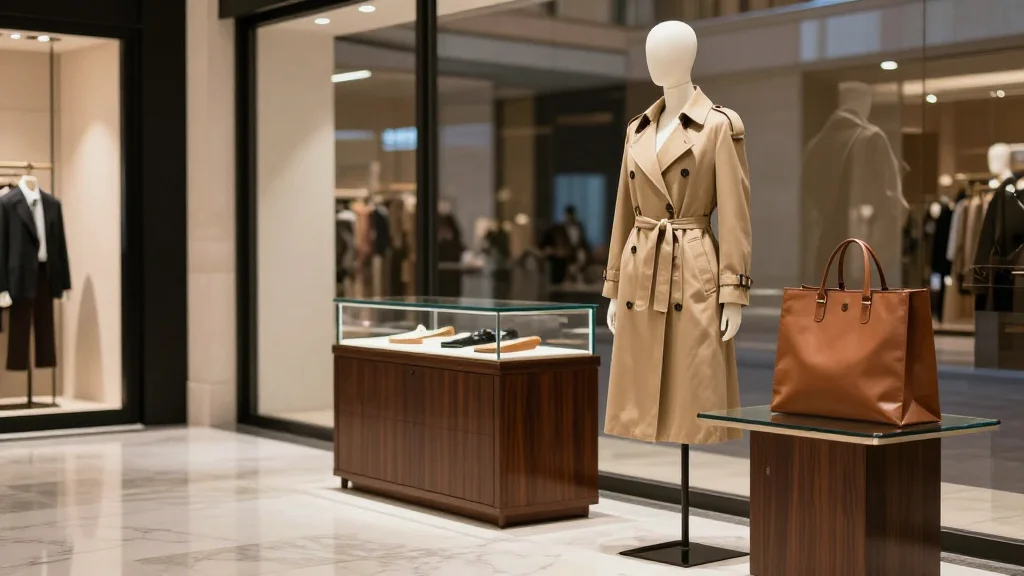
Burberry Closes 21 Stores as Luxury Demand Softens, Keeps Global Footprint at 410

Companies Mentioned

Why It Matters
Burberry’s store closures signal that even heritage luxury houses must adapt to a post‑pandemic consumer landscape where discretionary spending is increasingly selective. By trimming underperforming locations while investing in high‑impact retail concepts, the brand aims to protect margins and preserve its premium positioning. The broader industry implication is a re‑evaluation of the traditional flagship‑heavy model. As luxury shoppers gravitate toward digital channels and curated experiences, retailers that can balance physical presence with cost discipline are likely to emerge stronger in a market projected to grow only modestly.
Key Takeaways
- •Burberry closed 21 stores and opened nine new locations in FY2026, ending with 410 stores globally
- •Adjusted operating profit rose to £160 million ($213 million) for the year
- •Cost‑cutting generated £80 million ($107 million) in savings, targeting £100 million ($133 million) annualised savings by FY2027
- •CEO Joshua Schulman highlighted exits from unprofitable or inappropriate locations as a strategic priority
- •Industry peers Kering and Ferragamo are also trimming store networks amid low‑single‑digit global fashion growth forecasts
Pulse Analysis
Burberry’s recent restructuring reflects a broader recalibration of luxury retail economics. The brand’s ability to generate over $100 million in cost savings while still expanding its footprint suggests a nuanced approach: pruning low‑margin sites while seeding growth in high‑potential markets. This dual strategy mitigates the risk of over‑consolidation, which could erode brand visibility, especially in emerging luxury hubs.
Historically, luxury houses relied on a dense network of flagship stores to project exclusivity. However, the past decade has seen a pivot toward omnichannel integration, with digital sales now accounting for a growing share of revenue. Burberry’s emphasis on wholesale partnerships indicates a recognition that selective physical presence, complemented by strategic third‑party distribution, can sustain brand cachet without the fixed costs of a sprawling retail estate.
Looking forward, the success of Burberry’s plan will hinge on consumer sentiment recovery and the effectiveness of its in‑store experience upgrades. If the brand can translate the newly freed capital into compelling retail concepts and digital synergies, it may set a template for other legacy luxury firms navigating the same headwinds. Conversely, prolonged macro‑economic softness could pressure even the streamlined network, prompting further consolidation.
Burberry Closes 21 Stores as Luxury Demand Softens, Keeps Global Footprint at 410
Comments
Want to join the conversation?
Loading comments...