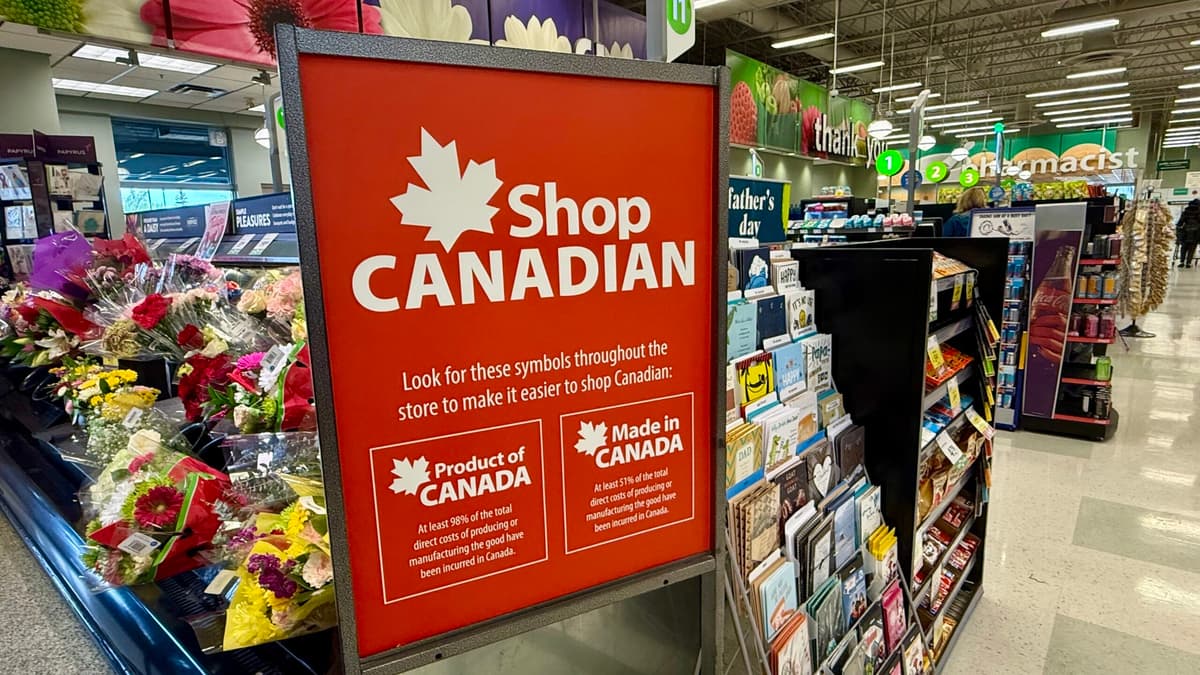
Canadian SMBs Question Strength of Buy Canadian Movement
Why It Matters
The findings signal that patriotic branding alone won’t sustain Canadian retailers; price competitiveness and cost management are now critical for survival, influencing policy and market strategies.
Key Takeaways
- •79.4% see “Faketriotic” consumer behavior.
- •Ontario perceived most “Faketriotic” province (60.8%).
- •63.7% cite rising costs as top concern.
- •Over 60% say non‑U.S. sourcing hurts margins.
- •One‑third survive only 3‑5 months after 25% sales drop.
Pulse Analysis
The Ignite Digital SMB survey adds a data‑driven layer to the ongoing debate over Canada’s “Buy Canadian” campaign. While national sentiment still leans toward supporting domestic producers, the numbers show that price sensitivity is the dominant driver of consumer choice. This disconnect, dubbed “Faketriotic” behavior, is especially pronounced in Ontario, Quebec and Newfoundland, where owners report a higher incidence of shoppers opting for cheaper U.S. goods. For retailers, the challenge lies in translating patriotic goodwill into tangible sales without compromising on price competitiveness.
Beyond consumer attitudes, the survey paints a broader picture of structural strain on Canadian SMBs. Inflation, higher input costs and lingering tariff impacts are cited by nearly two‑thirds of respondents as the primary obstacle to growth. Compounding these issues are cash‑flow bottlenecks, staffing shortages and compliance burdens that erode profit margins. The push to diversify away from U.S. suppliers—intended to bolster domestic supply chains—has introduced additional cost pressures, confirming that supply‑chain resilience must be balanced against immediate financial viability.
The implications for policymakers and business leaders are clear: patriotic messaging must be paired with concrete measures that lower costs for consumers and improve the operating environment for small firms. Initiatives such as targeted tax relief, streamlined regulatory processes, and incentives for price‑competitive domestic production could help bridge the gap between sentiment and spending. For Canadian retailers, the path forward involves leveraging local branding while aggressively managing pricing strategies and operational efficiencies to retain market share in an increasingly price‑driven landscape.
Canadian SMBs Question Strength of Buy Canadian Movement
Comments
Want to join the conversation?
Loading comments...