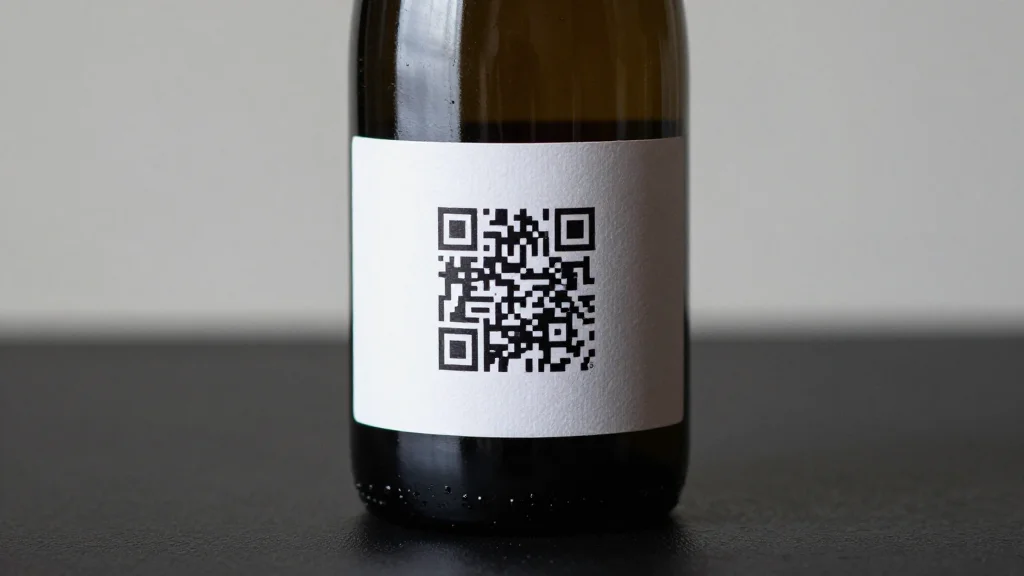
Carrefour Rolls Out QR Codes on 50 Private‑label Items, Aiming for Full‑range Transparency

Companies Mentioned
Why It Matters
Carrefour’s QR code expansion signals a shift toward data‑rich packaging that could become a new norm for European retailers. By offering shoppers instant access to product details, the retailer addresses rising consumer expectations for transparency, especially around sustainability and origin. The move also equips Carrefour to meet forthcoming EU labeling regulations without redesigning packaging, giving it a competitive edge over rivals still reliant on traditional barcodes. If other chains adopt similar QR‑code strategies, the industry could see a cascade of innovations—from dynamic pricing to real‑time inventory visibility—driven by the massive data payloads these codes can carry. The initiative may also pressure manufacturers to standardize digital product information, accelerating the broader digital transformation of the supply chain.
Key Takeaways
- •Carrefour has placed QR codes on 50 private‑label products, expanding from an initial wine pilot.
- •QR codes increase data capacity from 13 characters to over 4,000, enabling richer product information.
- •The rollout is powered by GS1 standards, ensuring compatibility across the supply chain.
- •Carrefour aims to use QR data to anticipate EU labeling regulations for categories like textiles and batteries.
- •The retailer plans to extend QR codes to its full private‑label portfolio in the coming months.
Pulse Analysis
Carrefour’s QR code rollout is more than a packaging tweak; it is a strategic play to embed digital touchpoints directly into the physical shopping experience. Historically, retailers have relied on static barcodes for inventory and checkout, but the limited data field has become a bottleneck as consumers demand more transparency. By adopting GS1‑backed QR codes, Carrefour not only future‑proofs its packaging against regulatory change but also creates a platform for data‑driven engagement.
The timing aligns with a broader European push for sustainability disclosures and traceability, especially in sectors like wine, textiles and batteries where provenance is scrutinized. Carrefour’s early adoption gives it a head‑start in building the backend infrastructure—data lakes, API integrations and analytics tools—required to turn each scan into actionable insight. Competitors that lag may find themselves forced into costly retrofits or face compliance gaps.
From a competitive standpoint, the QR code initiative could reshape private‑label positioning. Traditionally, private brands compete on price; now, Carrefour can differentiate on information richness, offering shoppers a narrative around terroir, production methods and ethical sourcing. This narrative can be leveraged in loyalty programs, driving higher basket sizes and repeat visits. If the rollout scales successfully, we may see a ripple effect where other European grocers adopt similar QR strategies, potentially leading to an industry‑wide standard for digital labeling that blurs the line between brick‑and‑mortar and e‑commerce.
Carrefour rolls out QR codes on 50 private‑label items, aiming for full‑range transparency
Comments
Want to join the conversation?
Loading comments...