Why It Matters
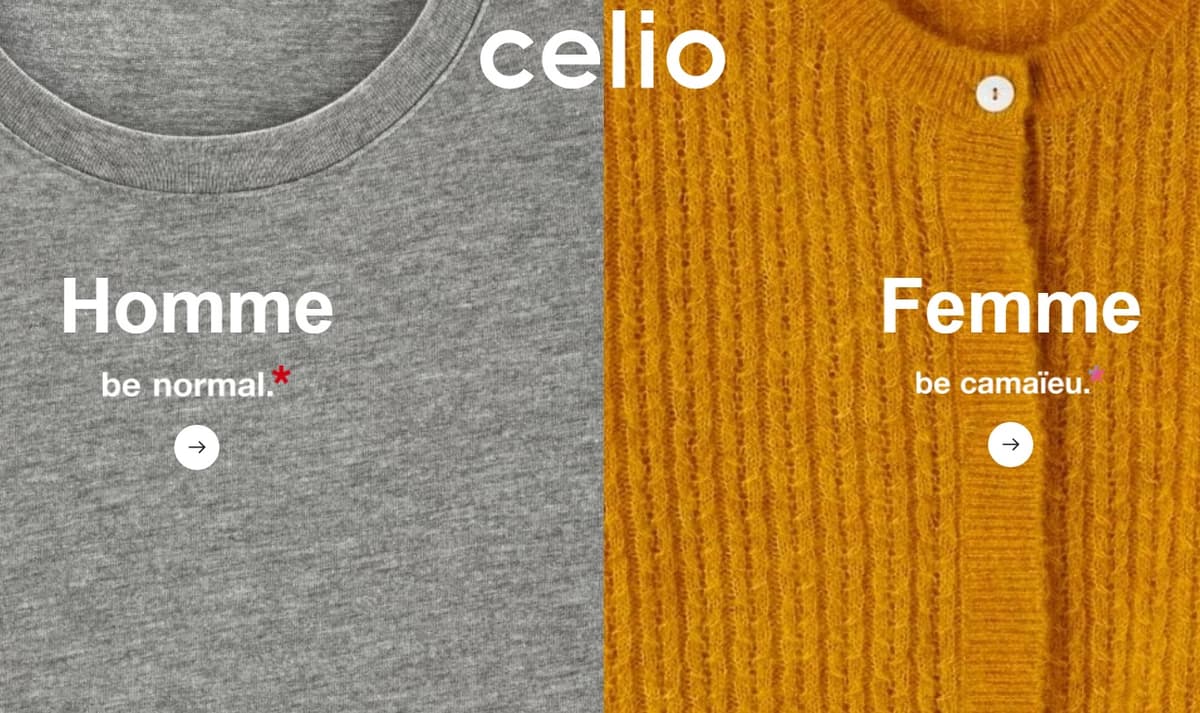
Merging Camaïeu into Celio Women streamlines brand identity and may boost cross‑selling opportunities, reflecting a wider industry move toward portfolio simplification for better margins.
Key Takeaways
- •Camaïeu brand discontinued, replaced by Celio Women
- •Celio now operates 19 mixed‑gender “bi‑stores.”
- •Bi‑stores delivering measurable sales growth
- •Unified branding aims to attract broader customer base
- •Simplified portfolio may improve operational efficiency
Pulse Analysis
Celio’s decision to dissolve the Camaïeu brand underscores a broader strategic pivot toward a single, cohesive identity. After acquiring Camaïeu in 2016, the French retailer initially pledged to preserve the label as a distinct sub‑brand, but market pressures and the need for brand clarity have driven a consolidation. By folding women’s offerings into Celio Women, the company can leverage its existing supply chain, marketing assets, and retail footprint, reducing duplication and sharpening consumer perception in a crowded fashion landscape.
The rollout of “bi‑stores” – combined men’s and women’s locations – is a tangible expression of Celio’s omnichannel ambition. With 19 such stores now operational, the format allows shoppers to experience a unified brand environment, encouraging cross‑category purchases. Early performance data indicate higher average transaction values and improved foot traffic compared with single‑gender outlets. This hybrid model also optimizes real estate costs, a critical advantage as French retailers grapple with rising rents and shifting consumer habits toward experiential retail.
Industry observers see Celio’s brand unification and store format experiment as a bellwether for European apparel chains. Consolidating under one name simplifies digital marketing, enhances data collection, and aligns with the growing consumer preference for streamlined shopping experiences. If Celio can translate the bi‑store momentum into sustained revenue growth, it may set a precedent for other legacy retailers considering similar brand rationalizations. The move could also pressure competitors to revisit fragmented brand portfolios, accelerating a wave of consolidation across the sector.
Celio drops Camaïeu brand name after all
0
Comments
Want to join the conversation?
Loading comments...