Chain Stores and Restaurants Closing Locations in 2026
Companies Mentioned


Why It Matters
These closures reflect accelerating consumer shifts toward digital commerce and cost‑cutting pressures, forcing retailers to consolidate assets and re‑engineer their physical strategies, which will reverberate through employment, real‑estate markets, and competitive dynamics.
Key Takeaways
- •Amazon will close all Amazon Fresh and Amazon Go stores in 2026
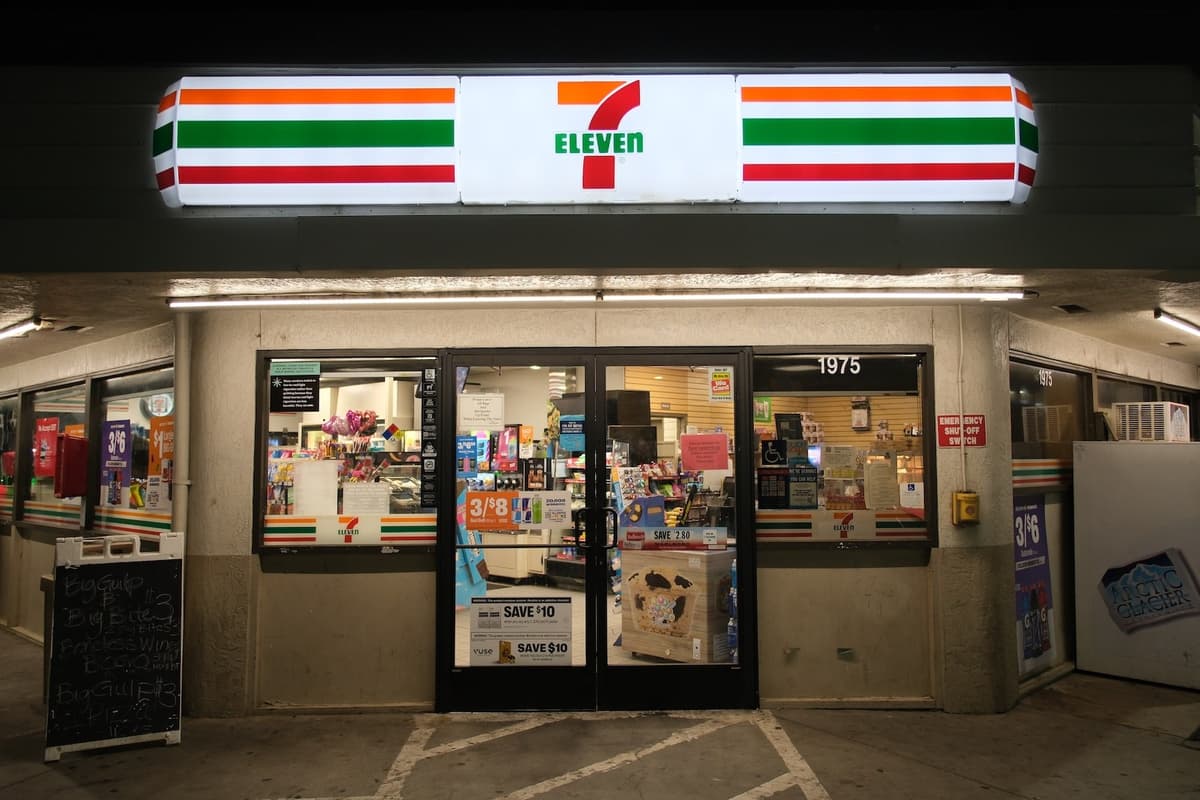
- •7‑Eleven plans to shutter ~600 stores while opening 200 new locations
- •Foot Locker to close over 400 stores and rebrand 280 locations
- •Starbucks will strategically close hundreds of underperforming coffee shops
- •Wendy’s aims to eliminate up to 350 restaurants by year‑end 2026
Pulse Analysis
The retail sector is undergoing a profound contraction as dozens of legacy chains accelerate store closures in 2026. Analysts attribute the trend to a confluence of factors: lingering pandemic‑induced habit changes, rising labor and real‑estate costs, and heightened competition from e‑commerce platforms. Brands such as Amazon Fresh and Amazon Go are pulling the plug on their physical concepts entirely, signaling that even tech‑heavy retailers are reassessing the viability of brick‑and‑mortar formats. Meanwhile, traditional operators like Starbucks and Wendy’s are pruning underperforming locations to protect margins and redirect capital toward digital ordering and delivery infrastructure.
Sector‑specific impacts are already evident. Grocery giants Kroger and Value City Furniture are trimming dozens of stores, while apparel and specialty retailers—including Macy’s, REI, and Francesca’s—are consolidating footprints to focus on high‑traffic urban hubs. Restaurant chains such as Papa John’s, Pizza Hut, and Red Robin are also shedding locations, a move that will affect thousands of frontline workers and reshape supply‑chain logistics. The cumulative job losses are offset partially by a surge in corporate restructuring roles, as companies negotiate lease terminations, liquidations, and asset sales.
Looking ahead, the wave of closures creates both challenges and opportunities. Vacant retail spaces are attracting interest from logistics providers, mixed‑use developers, and experiential concepts that cater to a post‑pandemic consumer. Investors are closely monitoring which brands can successfully pivot to omnichannel models, as those that integrate online sales with selective physical presence are likely to emerge stronger. For competitors, the exit of entrenched players opens market share gaps, especially in suburban and secondary markets, prompting strategic expansion or acquisition bids. Ultimately, the 2026 closure spree underscores a pivotal shift toward a leaner, more digitally oriented retail ecosystem.
Chain Stores and Restaurants Closing Locations in 2026
Comments
Want to join the conversation?
Loading comments...