China’s Malls Swap EV Showrooms for Pop Mart Flagships and Robots, Redefining 2026 Spending

Companies Mentioned
Why It Matters
The migration of premium mall space from EV showrooms to pop‑culture and robotics brands reveals a fundamental shift in Chinese consumer priorities. As disposable income flows toward identity‑driven and tech‑enabled experiences, global retailers must rethink product assortments, store formats, and partnership strategies to stay relevant in the world’s largest retail market. The trend also offers a leading indicator for where other high‑growth economies might head, as the blend of emotional retail and experiential technology gains traction worldwide. For investors, the reallocation of mall tenancy signals new revenue streams for landlords and a re‑pricing of retail real‑estate assets. Companies that can secure flagship locations with high‑engagement concepts are likely to enjoy stronger foot traffic, higher conversion rates, and premium rent premiums, reshaping the financial dynamics of China’s retail property sector.
Key Takeaways
- •Pop Mart’s 2025 revenue jumped 185% to RMB 37.1 bn ($5.4 bn), fueling flagship expansion in premium malls.
- •EV showrooms that dominated high‑traffic mall space for three years are being replaced by pop‑culture and tech concepts.
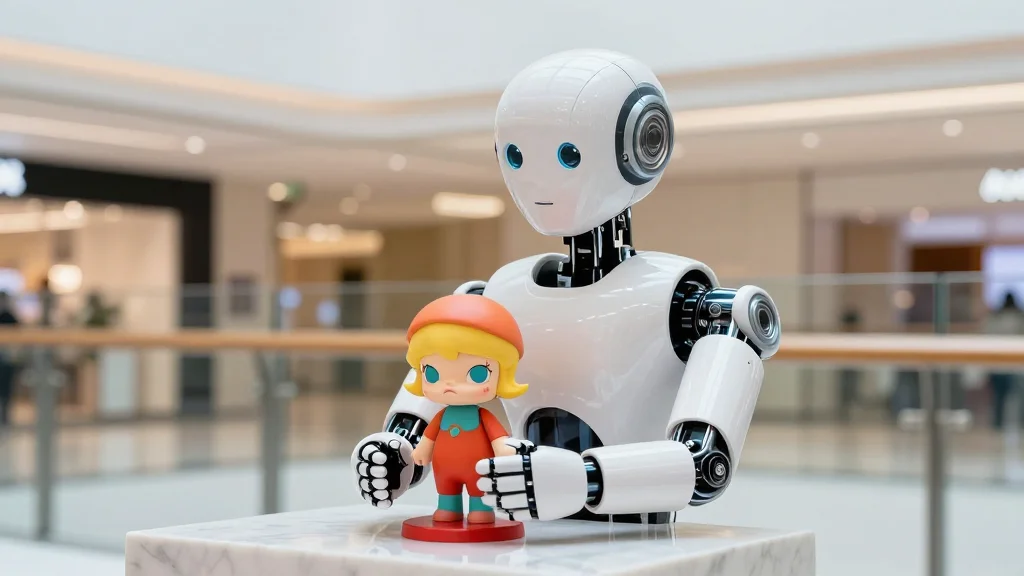
- •Unitree Robotics opened its first nationwide experience store on Dec 31, 2025 in Beijing, featuring humanoid robots.
- •Lululemon is positioning wellness as a status‑driven offering, securing luxury‑mall locations alongside Pop Mart and Unitree.
- •Analysts expect further conversions, with additional Unitree stores slated for Shanghai and Guangzhou by mid‑2026.
Pulse Analysis
The rapid turnover from EV to emotional and tech‑centric retail is more than a cosmetic change; it reflects a deeper re‑calibration of consumer identity in China. Over the past decade, the middle class has moved from aspirational ownership of tangible assets—cars, watches—to the curation of personal narratives through collectibles, wellness regimes, and interactive technology. Pop Mart’s revenue explosion illustrates how a brand that taps into the ‘identity economy’ can outpace traditional luxury players in the same square footage.
From a strategic standpoint, the shift forces global retailers to adopt a hybrid model that blends product with experience. Brands that merely import a product line without an accompanying cultural story risk being relegated to secondary mall tiers. The success of Unitree’s robot showroom underscores that technology alone is insufficient; it must be framed as an experience that deepens consumer engagement. This creates a new competitive frontier where retail, entertainment, and tech converge, prompting investors to reassess valuation metrics for both tenants and landlords.
Looking forward, the next inflection point may come as Chinese shoppers increasingly demand seamless integration of offline and online experiences. Pop Mart’s physical flagships already serve as content hubs that drive e‑commerce sales, while Unitree’s stores could become data collection points for AI‑driven personalization. Companies that can harness these data loops will likely dictate the next wave of mall tenancy, turning the retail floor into a living laboratory for consumer behavior. The stakes are high: those who adapt will capture a share of the $5‑plus billion spend shift, while laggards may find their mall presence reduced to peripheral kiosks.
China’s Malls Swap EV Showrooms for Pop Mart Flagships and Robots, Redefining 2026 Spending
Comments
Want to join the conversation?
Loading comments...