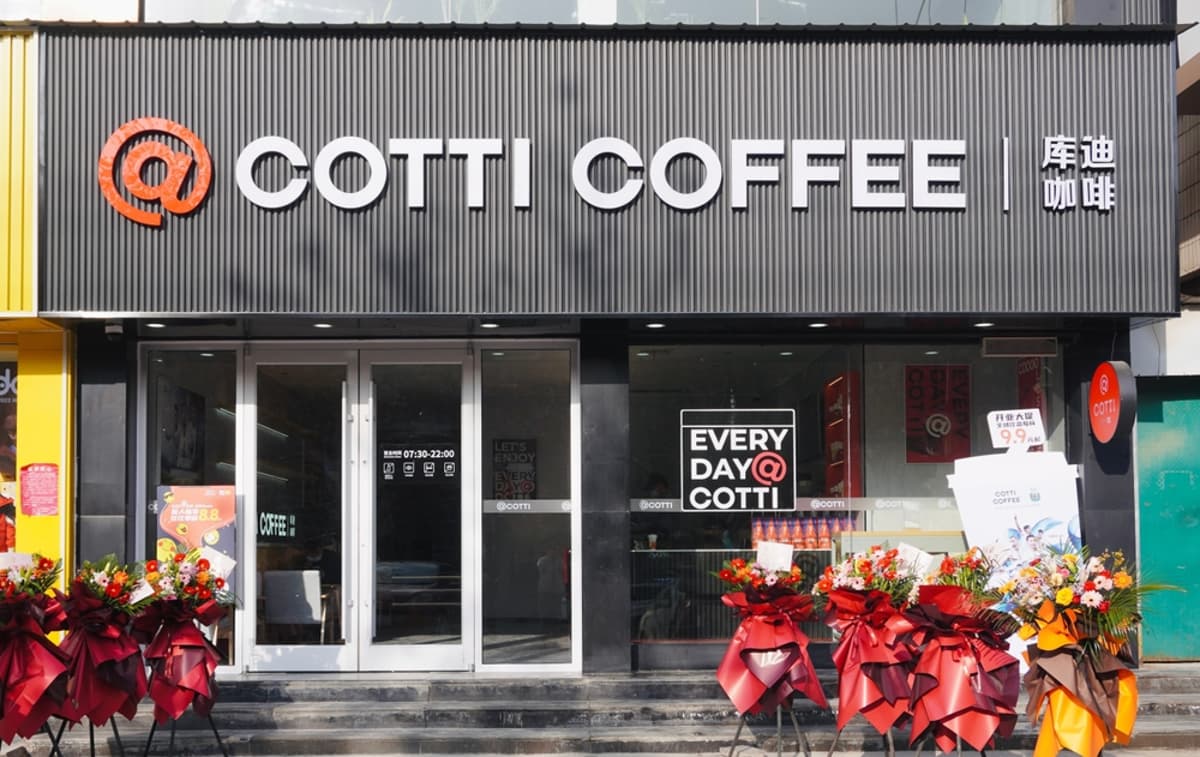
Chinese Coffee Discounter Cotti Coffee Unveils First Belgian Branches
•March 2, 2026
0
Why It Matters
Cotti’s European debut introduces a price‑competitive coffee alternative, pressuring incumbents like Starbucks and local cafés. It signals Chinese consumer brands scaling globally, reshaping the European coffee landscape.
Key Takeaways
- •Six Cotti stores opening in Belgium within two months.
- •Two locations each in Brussels and Antwerp.
- •Franchise model partners with Belgian operators.
- •Focus on high‑traffic city centre locations.
- •Low‑price strategy challenges established coffee chains.
Pulse Analysis
Cotti Coffee has become a dominant player in China’s fast‑growing discount coffee segment, leveraging a streamlined menu, aggressive pricing and rapid store roll‑outs. Its business model relies on minimal décor, standardized equipment, and a focus on volume over premium experience, allowing it to capture price‑sensitive consumers who frequent convenience‑oriented outlets. By mastering cost efficiencies at scale, Cotti has built a brand that resonates with urban commuters seeking a quick, affordable caffeine fix.
The Belgian launch marks Cotti’s first foray into Europe, and the company is adopting a franchise model to accelerate market penetration. Partnering with local operators provides immediate access to prime real‑estate in Brussels and Antwerp’s bustling business districts, where foot traffic and office workers promise steady demand. Selecting high‑visibility city‑centre locations mirrors its Chinese strategy of occupying transit hubs and shopping streets, ensuring brand visibility while keeping overhead manageable. The two‑month rollout timeline underscores Cotti’s confidence in replicating its rapid expansion playbook abroad.
Industry observers see Cotti’s entry as a potential disruptor for established coffee chains. Its low‑price positioning could force competitors such as Starbucks, Costa and independent cafés to revisit pricing structures or introduce value‑focused sub‑brands. However, success will hinge on adapting to European taste preferences, regulatory standards and supply‑chain logistics. If Cotti can balance cost control with consistent quality, it may catalyze a broader shift toward price‑competitive coffee concepts across the continent, reshaping consumer expectations and competitive dynamics.
Chinese coffee discounter Cotti Coffee unveils first Belgian branches
0
Comments
Want to join the conversation?
Loading comments...