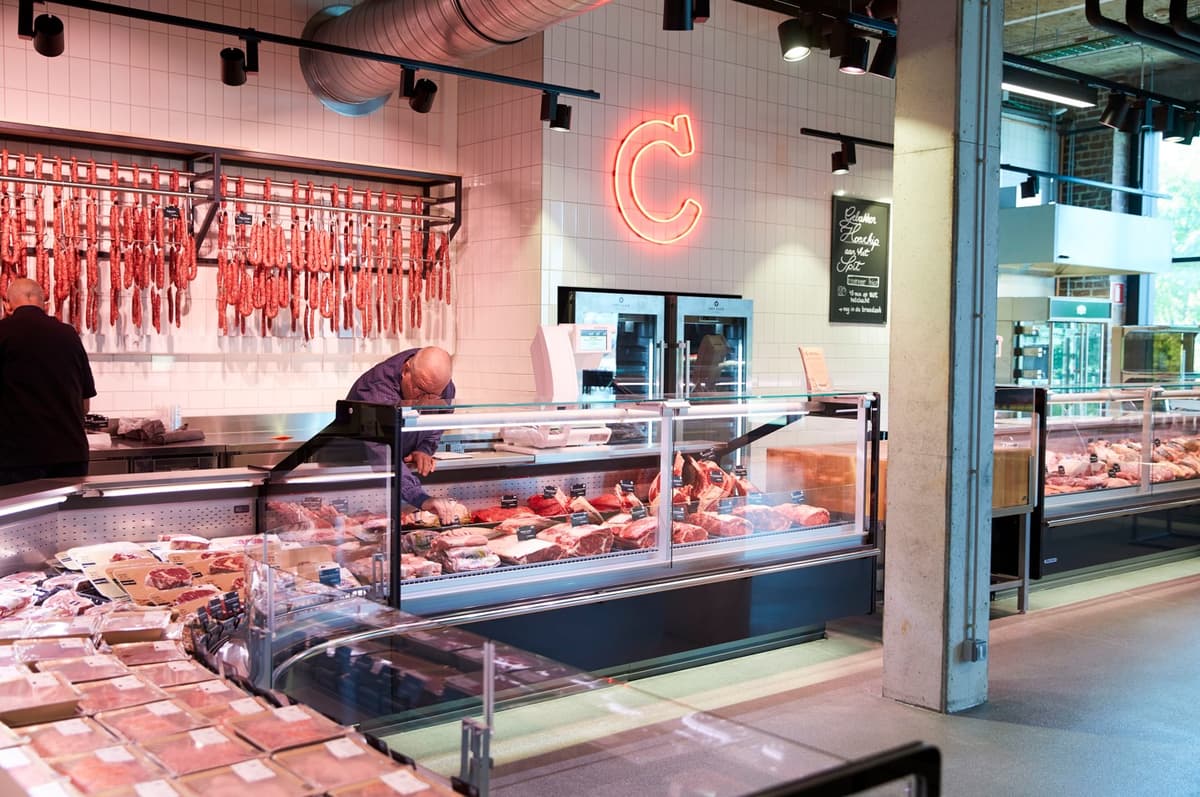
Colruyt Group’s Fresh Produce Markets Cru Continue to Rack up Losses
Companies Mentioned
Why It Matters
The persistent underperformance of Cru highlights the difficulty of scaling premium grocery formats in a price‑sensitive market, putting pressure on Colruyt’s overall profitability and strategic capital allocation.
Key Takeaways
- •Colruyt wrote off €13.6 M ($14.8 M) at Puur in latest loss.
- •Total investment in Cru stores reaches €55 M ($60 M) since 2015.
- •Four Belgian Cru markets still lose €5 M ($5.5 M) annually.
- •Self‑service shift and restaurant divestments failed to restore profitability.
- •Other loss‑making units like Solucious and Bottles also turned around.
Pulse Analysis
Colruyt Group’s continued write‑off of €13.6 million at its Puur subsidiary underscores a broader challenge for European retailers attempting to upscale premium fresh‑food concepts. Since 2015, the company has invested roughly €55 million ($60 million) in four Cru locations, yet the chain still reports a €5 million ($5.5 million) loss each year. The financial strain is amplified by the high operating costs associated with premium sourcing, limited shelf‑life inventory, and the need for specialized staff, all of which clash with Belgium’s traditionally price‑driven grocery market.
The strategic pivots—introducing self‑service formats, trimming the product assortment, and divesting the on‑site Cuit restaurants—reflect Colruyt’s effort to align Cru with more scalable, lower‑margin models. However, these measures have not delivered the expected turnaround, suggesting that the brand’s premium positioning may be misaligned with consumer expectations. Competitors such as Carrefour and local specialty stores have captured the niche market by offering curated selections without the overhead of full‑service market environments, leaving Cru with a difficult path to profitability.
For investors, the ongoing losses raise questions about capital efficiency and the viability of further expansion in the premium segment. While Colruyt has successfully eliminated deficits in other divisions like Solucious and Bottles, the Cru saga illustrates the risk of over‑investing in concepts that lack a clear path to scale. The company may need to consider either a deeper restructuring—potentially converting stores to a hybrid model—or a strategic exit to preserve cash flow and focus on its core discount and wholesale operations. The outcome will likely influence broader industry debates on the sustainability of high‑end grocery formats in price‑sensitive European markets.
Colruyt Group’s fresh produce markets Cru continue to rack up losses
Comments
Want to join the conversation?
Loading comments...