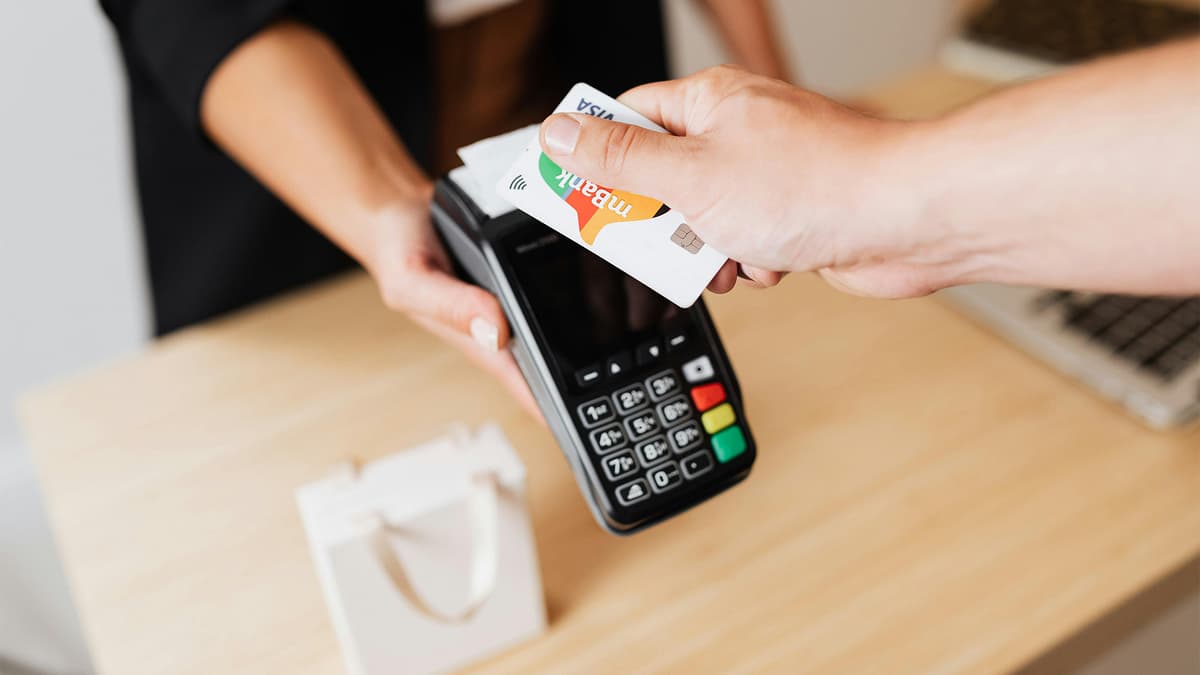
Consumer Card Spending Subdued in February but Clothing Sales on the Up
•March 10, 2026
0
Companies Mentioned
Why It Matters
The split between declining essential spend and rising discretionary outlays signals a cautious yet opportunistic consumer base, shaping retail pricing and fintech product strategies. Understanding these dynamics helps businesses target value‑oriented offers while navigating inflation‑driven uncertainty.
Key Takeaways
- •Card spend rose 1% in February, modest growth.
- •Non‑essential spend hit six‑month high of 1.8%.
- •Clothing sales up 3.7%; health‑beauty up 6.4%.
- •Essential spend fell 0.6% amid inflation worries.
- •Digital subscriptions grew 12.2%, fastest since 2021.
Pulse Analysis
The Barclays Consumer Spend report shows UK card‑based expenditure nudging upward in February, with total spend rising just 1% year‑over‑year. While the overall pace remains tepid, non‑essential categories posted a six‑month high of 1.8%, driven by a 3.7% jump in clothing sales and a 6.4% surge in pharmacy, health and beauty purchases. These figures suggest that shoppers are selectively allocating disposable income toward lifestyle items that offer perceived value, even as the broader economy grapples with cost pressures.
At the same time, consumer confidence across the UK and major economies slipped after the latest Middle‑East conflict, with 78% of Britons fearing higher inflation and 82% worried about fuel costs. The report notes a 0.6% decline in essential spend, reflecting tighter household budgets and a cautious approach to staples such as groceries and utilities. This divergence between essential and discretionary outlays underscores a balancing act: shoppers are trimming core expenses while still seeking affordable indulgences, a pattern that could shape retail pricing strategies in the coming months.
Digital entertainment and subscription services emerged as the fastest‑growing segment, climbing 12.2% to its highest level since August 2021. ‘Streamflation’—higher prices for video and music platforms—combined with new premium offerings such as AI‑driven fitness apps to fuel this rise. Meanwhile, live‑event spending jumped 9.9%, highlighted by a 14% surge in concert ticket purchases. With one‑third of consumers prioritising health and fitness this year, retailers and fintech firms that integrate wellness‑focused rewards or flexible payment options stand to capture a larger share of the evolving consumer wallet.
Consumer card spending subdued in February but clothing sales on the up
0
Comments
Want to join the conversation?
Loading comments...