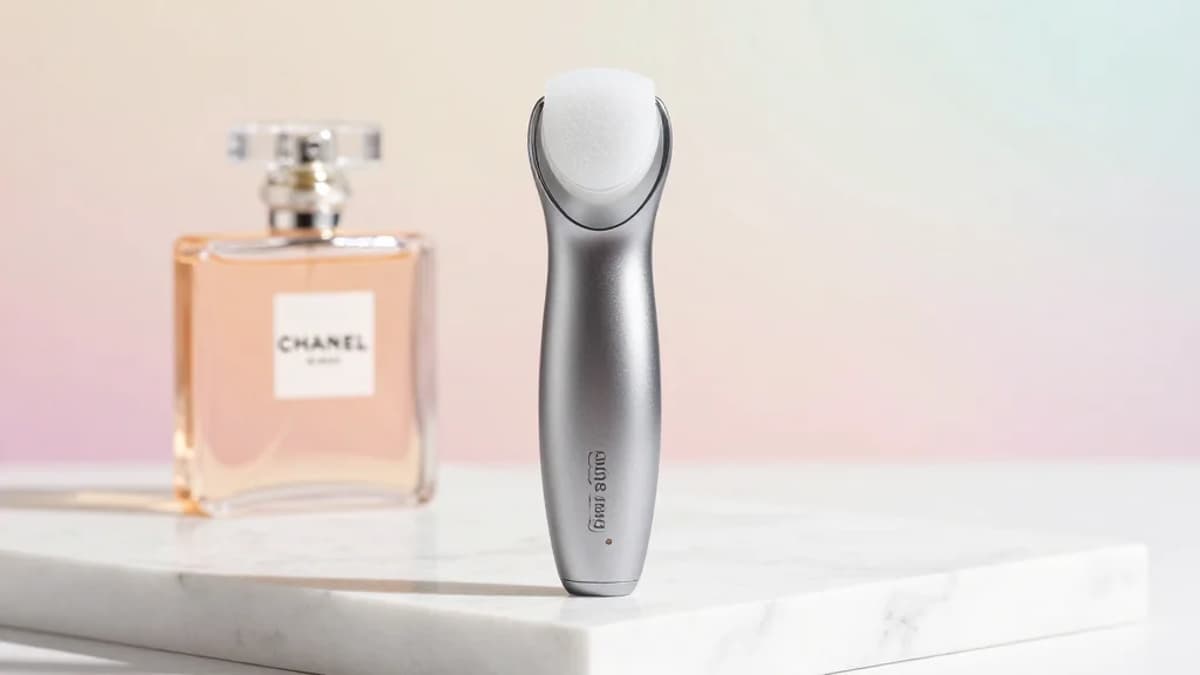
Cosmetics Business Picks: 9 New Beauty Launches for March 2026
•March 6, 2026
0
Why It Matters
These launches signal a shift toward multi‑functional, technology‑driven beauty solutions, intensifying competition and expanding consumer expectations for performance and convenience.
Key Takeaways
- •EMS device brings gym‑level facial toning home
- •Tatcha sunscreen combines SPF 50+ with skin‑care actives
- •Kylie lip liner offers four cool‑tone, smudge‑proof shades
- •Shark Beauty simplifies wet‑to‑dry hair styling
- •John Frieda launches frizz‑control line with refreshed branding
Pulse Analysis
The March 2026 wave of beauty releases underscores a broader industry pivot toward integrating technology with traditional cosmetics. Devices like FaceGym’s EMS sculptor blur the line between skincare and fitness, offering consumers measurable results without salon visits. Simultaneously, brands are packaging SPF protection with skin‑care benefits, as seen in Tatcha’s Milky Sunscreen, which leverages encapsulated ectoin and vitamin E to hydrate while shielding from UV damage. This convergence caters to a savvy audience that values efficacy, convenience, and a streamlined routine.
Colour cosmetics also reflect evolving consumer tastes, with Kylie Cosmetics expanding its lip liner portfolio to four nuanced, cool‑tone shades that promise smudge‑free wear. The emphasis on precision and durability aligns with the growing demand for professional‑grade performance in everyday makeup. Meanwhile, Patrick Starrr’s One/Size and other niche players are pushing bold, inclusive palettes, reinforcing the market’s shift toward personalization and rapid trend adoption.
Beyond individual products, the collective launch slate hints at intensified competition among legacy and emerging brands. Hair‑care innovations like Shark Beauty’s wet‑to‑dry styling tool and John Frieda’s refreshed frizz‑control line illustrate a focus on simplifying complex routines while delivering salon‑level results. As consumers increasingly seek multi‑functional solutions, companies that blend technology, high‑impact ingredients, and compelling branding are poised to capture market share and set new standards for beauty performance.
Cosmetics Business picks: 9 new beauty launches for March 2026
0
Comments
Want to join the conversation?
Loading comments...