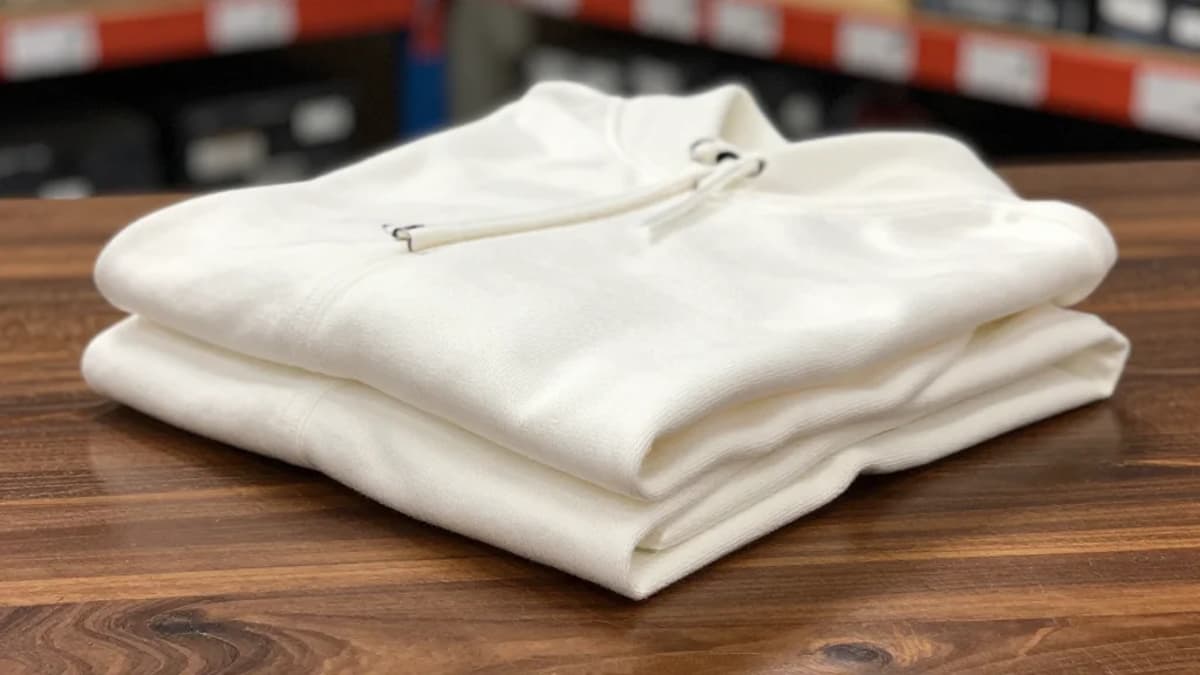
Costco Is Quietly Selling High-End Hoodies at Bargain Prices
•March 9, 2026
0
Why It Matters
The sale blurs the line between luxury and mass‑market retail, reshaping consumer expectations and secondary‑market pricing. It also hints at strategic shifts for both Costco and Off‑White toward high‑volume, lower‑margin collaborations.
Key Takeaways
- •Costco Canada listed Off‑White hoodie for CAD 85.
- •Hoodie sold out quickly, page now removed.
- •Made from 470 gsm French cotton, produced in Vietnam.
- •Collaboration hints at luxury‑mass market crossover.
- •Resale prices likely to surge on secondary markets.
Pulse Analysis
Off‑White, founded by the late Virgil Abloh, has built its reputation on premium pricing and runway‑ready aesthetics, with hoodies typically retailing between $700 and $800. Costco’s unexpected foray into this segment leverages its bulk‑buying power and deep‑discount model, allowing it to secure a limited inventory at a fraction of the usual cost. By sourcing the garments from Vietnam, the retailer likely reduced production expenses, enabling the sub‑$100 price tag while still delivering the brand’s signature design cues.
The hoodie’s specifications—470 gsm French cotton terry, self‑lined hood, metal aglet drawstrings—mirror the quality of the original Off‑White pieces, though the manufacturing origin differs. Early buyers praised the garment’s heft and authentic branding, prompting rapid sell‑through and the removal of the online listing. This scarcity has already sparked a secondary‑market ripple, with resale platforms listing the items at several times the original Costco price, illustrating how limited‑edition luxury drops can quickly become speculative assets.
Beyond the immediate hype, the Costco‑Off‑White episode underscores a broader trend of high‑end designers partnering with mass retailers to expand reach and diversify revenue streams. While purists argue such collaborations dilute brand exclusivity, they also democratize access to coveted fashion, potentially reshaping consumer loyalty and expectations. If Costco pursues additional Off‑White items or similar alliances, the industry may see a new hybrid model where luxury aesthetics coexist with wholesale pricing, challenging traditional distribution channels and prompting brands to rethink their market positioning.
Costco Is Quietly Selling High-End Hoodies at Bargain Prices
0
Comments
Want to join the conversation?
Loading comments...