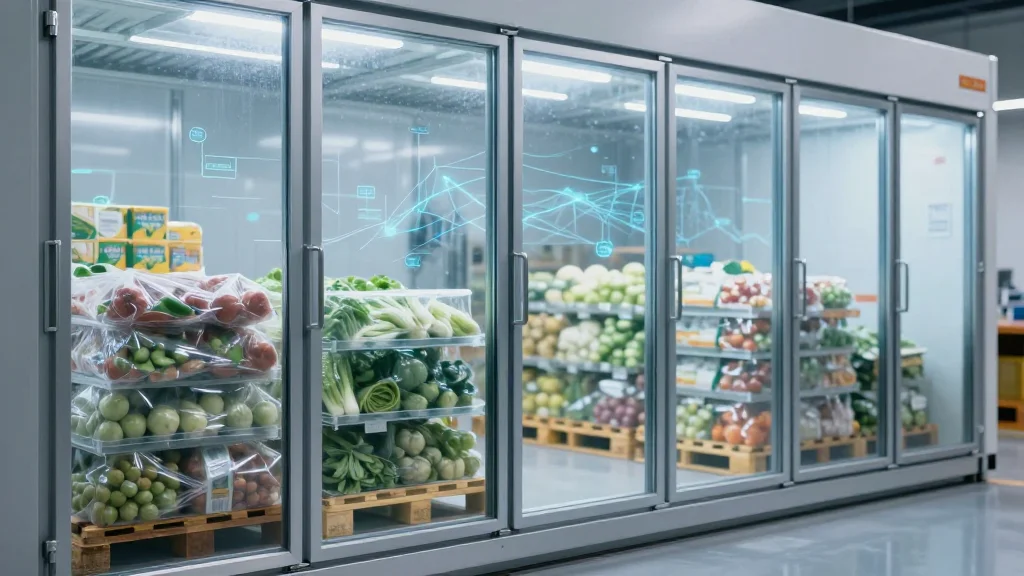
DMALL Rolls Out AI-Driven Platform to 87 Cold Storage Stores in Southeast Asia

Companies Mentioned
Why It Matters
The deployment underscores the accelerating shift toward AI‑powered retail infrastructure in emerging markets, where operational complexity has traditionally hampered efficiency gains. By delivering real‑time visibility and predictive analytics, DMALL equips retailers to respond faster to demand fluctuations, reduce waste, and protect thin margins. If the platform delivers on its early promises, it could trigger a wave of similar digital overhauls across Southeast Asia, prompting legacy system vendors to either partner with AI specialists or risk obsolescence. The success of DMALL’s model may also influence investment flows, attracting capital toward technology firms that can scale AI solutions across fragmented retail landscapes.
Key Takeaways
- •DMALL integrated 87 Cold Storage Singapore stores into a unified AI platform in seven months
- •Early improvements reported in product availability and replenishment per Cold Storage’s Managing Director
- •Platform will expand to fuel and convenience‑store formats in June 2026
- •DMALL serves nearly 600 retail clients across 11 countries, positioning it as a leading Asian digital‑retail provider
- •AI‑driven capabilities aim to boost margins by 1‑2 % through reduced stock‑outs and optimized inventory
Pulse Analysis
DMALL’s rapid rollout reflects a broader inflection point where AI moves from experimental pilots to core operational backbones in retail. Historically, Southeast Asian grocers have relied on siloed point‑of‑sale and ERP systems, leading to data latency and sub‑optimal replenishment. By consolidating these functions into a single, AI‑enhanced platform, DMALL not only cuts integration costs but also creates network effects: the more stores on board, the richer the data set, and the more accurate the predictive models become.
The partnership with Cold Storage is strategic for both parties. Cold Storage gains a competitive edge against regional rivals like PT Alfamart and CP Group, which are also investing heavily in automation. For DMALL, the high‑visibility project serves as a showcase to win contracts with other large chains in Indonesia and the Philippines, where fragmented supply chains have been a persistent pain point. However, scaling AI across diverse formats—especially fuel stations with high transaction volumes and low margins—will test the platform’s real‑time processing limits and its ability to integrate with legacy fuel‑management systems.
Looking forward, the key determinant of DMALL’s success will be its ability to translate operational improvements into top‑line growth for its clients. Retailers will demand clear ROI metrics, such as reduced out‑of‑stock rates, lower inventory carrying costs, and incremental sales from dynamic pricing. If DMALL can consistently deliver quantifiable gains, it could reshape the competitive dynamics of retail technology in the region, prompting larger cloud providers to develop bespoke AI modules for grocery and convenience formats. Conversely, failure to meet performance expectations could reinforce skepticism around AI’s practical value in complex, low‑margin retail environments.
DMALL rolls out AI-driven platform to 87 Cold Storage stores in Southeast Asia
Comments
Want to join the conversation?
Loading comments...