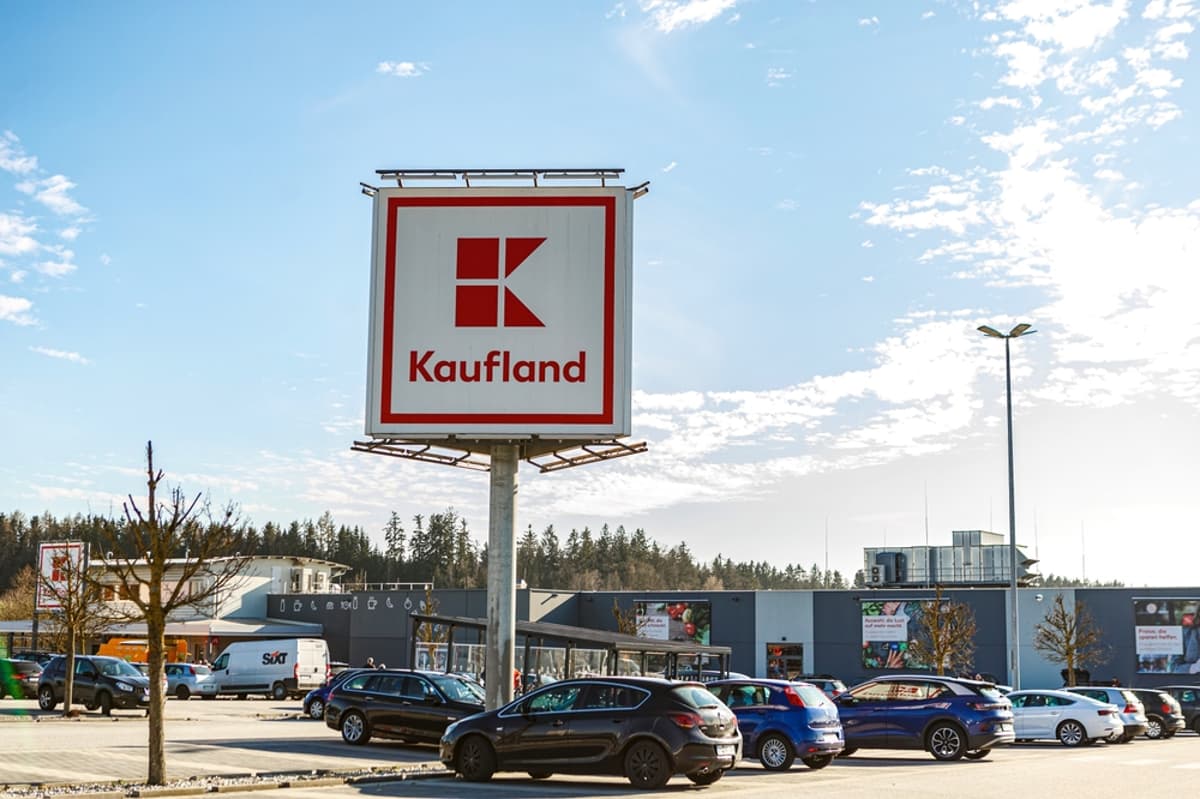
Dutch People Are Flocking to Foreign Supermarkets
Why It Matters
Cross‑border grocery shopping erodes domestic retailers' pricing power and forces the Dutch market to adapt to heightened competition. The trend signals broader consumer willingness to shop internationally for cost savings, reshaping retail strategies across Europe.
Key Takeaways
- •One in three Dutch shop abroad monthly.
- •Weekly cross‑border shoppers represent 1 in 17 Dutch.
- •Over 25% shop abroad once or twice monthly.
- •5% conduct all grocery shopping outside Netherlands.
- •Cross‑border buying pressures domestic retailers on price competition.
Pulse Analysis
The surge in Dutch cross‑border grocery trips underscores how price differentials within the EU are reshaping consumer habits. With Germany and Belgium often offering lower-priced staples, Dutch shoppers are leveraging short travel distances and the Schengen Area’s open borders to stretch their budgets. This behavior is amplified by digital price‑comparison tools and mobile navigation apps that make foreign supermarkets easily discoverable, turning what once was a weekend excursion into a routine procurement strategy.
For domestic retailers, the trend presents a clear warning signal. As a growing slice of the market consistently sources essentials abroad, Dutch chains face pressure to tighten margins, enhance private‑label value, and invest in price‑matching initiatives. Supply‑chain efficiencies and localized promotions become critical to retain price‑sensitive shoppers. Moreover, the data suggests a segmentation risk: high‑frequency cross‑border shoppers may migrate permanently to foreign retailers, eroding market share and prompting consolidation among Dutch grocers.
Policymakers and industry leaders must consider the broader implications of this cross‑border flow. While consumer welfare improves through lower prices, tax revenues and domestic employment could suffer if the outflow persists. Initiatives such as harmonizing VAT rates, supporting regional price‑competition frameworks, or fostering cross‑border e‑commerce partnerships could mitigate adverse effects. Ultimately, the Dutch market’s response will shape whether this trend remains a temporary price‑seeking episode or evolves into a lasting reconfiguration of European grocery retail.
Dutch people are flocking to foreign supermarkets
Comments
Want to join the conversation?
Loading comments...