EDEKA’s Smart Retail Strategy Is Redefining Customer Experience
Companies Mentioned
Why It Matters
The solution cuts labor and wait‑time costs while boosting in‑store conversion, signaling that digital self‑service will become a competitive baseline for grocery retailers.
Key Takeaways
- •Interactive kiosks let shoppers order without staff assistance
- •Self‑service reduces checkout wait times and labor costs
- •Touchscreen media delivers personalized promotions at point of sale
- •Digital kiosks bridge online convenience with physical store experience
- •EDEKA partners with eyefactive to modernize in‑store ordering
Pulse Analysis
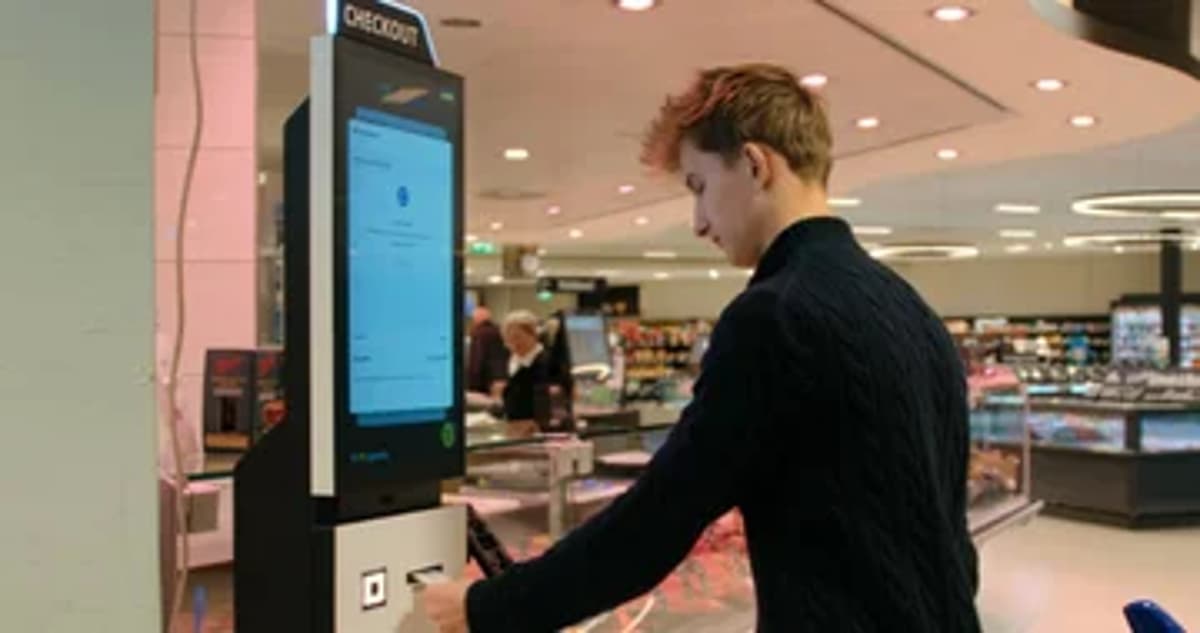
Retailers are racing to replicate the speed and personalization of e‑commerce within brick‑and‑mortar locations. EDEKA’s new self‑order kiosks, built on eyefactive’s interactive platform, give customers a familiar touchscreen experience that mirrors mobile shopping apps. By allowing shoppers to browse product catalogs, customize selections and complete payments without queuing, the technology reduces friction and aligns physical stores with the expectations set by digital channels. This move reflects a growing consensus that the future of grocery lies in hybrid experiences where physical presence adds value rather than serving as a bottleneck.
Beyond customer convenience, the kiosks generate operational efficiencies that directly impact the bottom line. Automated order capture lowers staff workload, freeing employees to focus on higher‑value tasks such as personalized assistance and inventory management. Integrated retail media layers enable real‑time, data‑driven promotions that can be updated instantly, driving incremental sales and improving margin capture. As AI and analytics become embedded in these systems, retailers can refine product assortments, predict demand spikes, and fine‑tune pricing strategies with unprecedented accuracy.
EDEKA’s rollout signals a broader industry pivot toward digital augmentation of the in‑store journey. Competitors are likely to accelerate investments in self‑service hardware, interactive displays, and omnichannel loyalty programs to stay relevant. The success of such initiatives will hinge on seamless integration with existing POS infrastructure and the ability to deliver genuinely personalized content at scale. For investors and executives, the message is clear: embracing interactive retail technology is no longer optional—it’s a strategic imperative for sustaining growth in an increasingly digital marketplace.
EDEKA’s Smart Retail Strategy Is Redefining Customer Experience
Comments
Want to join the conversation?
Loading comments...