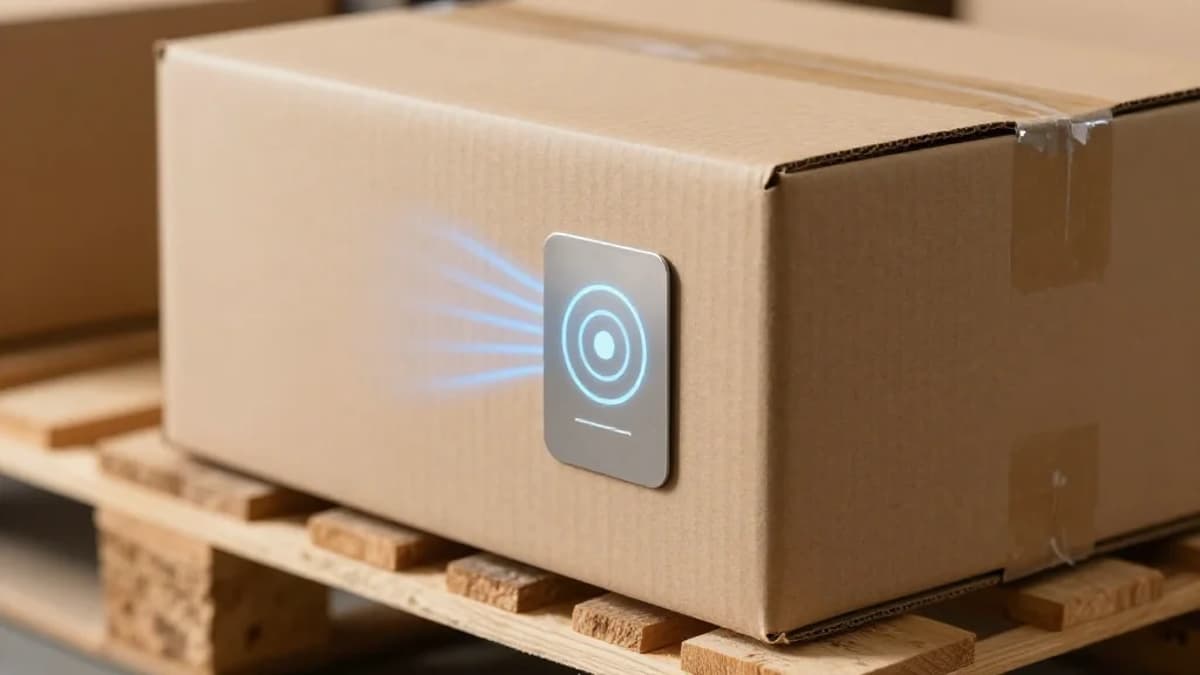
First Retailer Achieves End-to-End FSMA 204 Traceability
•March 3, 2026
0
Why It Matters
The breakthrough eliminates costly hardware and labor changes, accelerating industry compliance with FSMA 204 and enhancing supply‑chain visibility. It sets a new operational standard for food safety traceability across the retail sector.
Key Takeaways
- •First retailer achieves full FSMA 204 traceability
- •Touchless system creates hundreds of thousands KDE records automatically
- •AI validates and corrects supplier data without case scanning
- •No new hardware or workflow changes required
- •Additional retailers slated to go live soon
Pulse Analysis
The Food Safety Modernization Act’s Section 204 has long been a compliance hurdle for grocery chains, demanding detailed case‑level data from farm to shelf. Traditional solutions required extensive barcode scanning, manual data entry, and costly hardware upgrades, creating friction in fast‑moving distribution centers. ReposiTrak’s Touchless Traceability sidesteps these obstacles by ingesting supplier data in any format—EDI, spreadsheets, or APIs—and applying AI‑driven validation to generate compliant Key Data Element records automatically. This shift not only reduces labor costs but also improves data accuracy, a critical factor when regulators scrutinize supply‑chain integrity.
Beyond the immediate operational gains, the technology signals a broader transformation in food‑safety compliance. By proving that end‑to‑end traceability can be achieved without disrupting existing warehouse workflows, ReposiTrak removes a major barrier to adoption for mid‑size and large retailers alike. The platform’s ability to produce hundreds of thousands of KDE records in real time enhances visibility for both retailers and their suppliers, enabling faster recall responses and better risk management. As more firms integrate touchless traceability, the industry can expect a ripple effect: tighter data standards, improved interoperability, and a more resilient food supply chain.
The momentum is already evident. After the first retailer went live, three additional corporate customers are nearing implementation, and ReposiTrak anticipates further rollouts ahead of the FSMA 204 enforcement deadline. This rapid uptake suggests that the market is ready for a scalable, cost‑effective compliance solution. For investors and executives, the development underscores the growing value of AI‑enabled supply‑chain platforms that combine regulatory adherence with operational efficiency, positioning them as strategic assets in a highly regulated food‑retail environment.
First retailer achieves end-to-end FSMA 204 traceability
0
Comments
Want to join the conversation?
Loading comments...