French Retailers Are Stepping up Competition over Neighborhood Stores
Why It Matters
The shift toward small‑format, delivery‑enabled stores reshapes France’s grocery landscape, eroding hypermarket hegemony and improving access for rural consumers.
Key Takeaways
- •E.Leclerc launches 100 m² village store.
- •Carrefour faces competition in neighborhood format.
- •Chain targets 600 proximity points by 2030.
- •Rural shoppers gain delivery-to-pickup service.
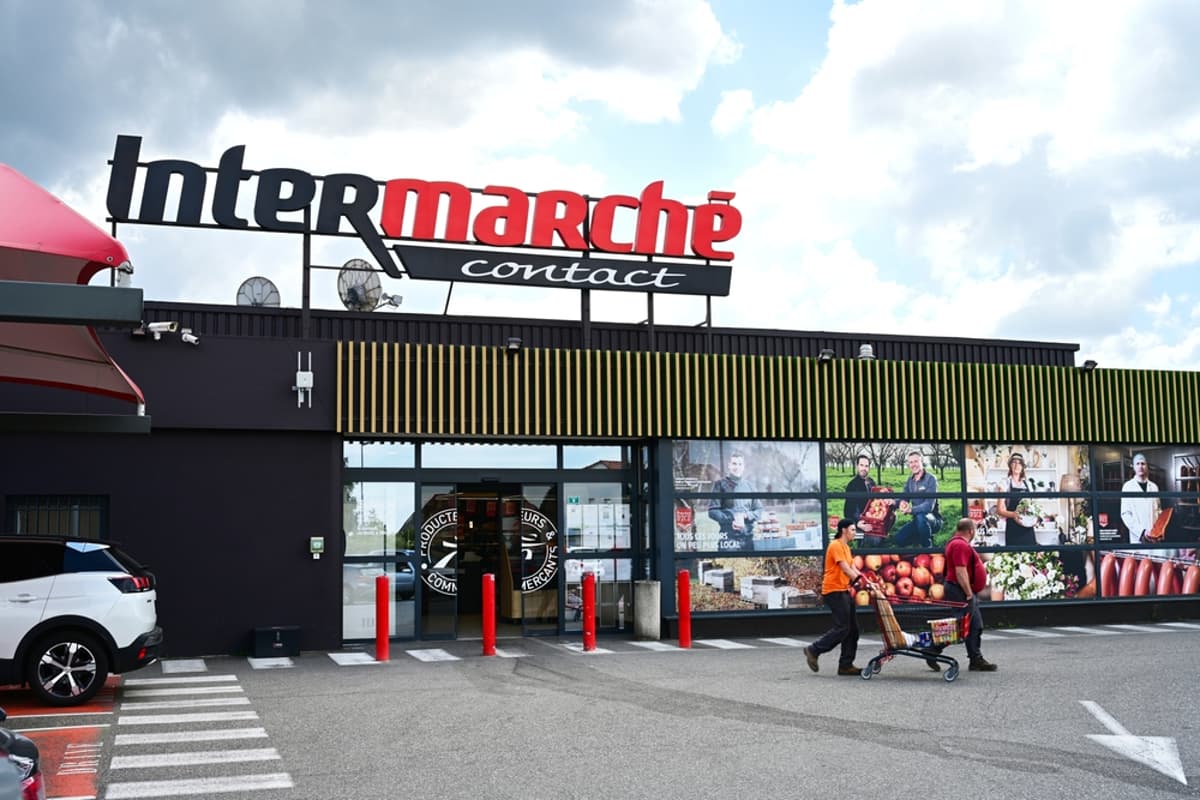
- •Coopérative U and Intermarché also expanding locally.
Pulse Analysis
France’s grocery sector has long been defined by sprawling hypermarkets, but consumer preferences for convenience and local access are driving a strategic pivot toward proximity retail. Urban shoppers have already embraced smaller formats, yet rural areas remain underserved, presenting a growth frontier for incumbents. By deploying compact stores that integrate online ordering with in‑store pickup, retailers can capture market share without the capital intensity of full‑scale hypermarkets, while also meeting the rising demand for flexible, last‑mile delivery solutions.
E.Leclerc’s recent 100 m² pilot in Dordogne illustrates this evolution. Operated by the owner of a nearby hypermarket, the store leverages existing supply chains to stock a broader assortment than its size would suggest, with customers able to order additional items for delivery to a village pickup point. This model reduces overhead, maximizes inventory efficiency, and offers a scalable blueprint for rural expansion. The chain’s ambition to open 600 such points by 2030 signals confidence that proximity formats can deliver comparable revenue per square meter to larger stores, especially when complemented by robust e‑commerce capabilities.
The competitive ripple effect is evident as Carrefour, Coopérative U and Intermarché accelerate their own neighborhood strategies. For Carrefour, defending its market leadership now hinges on adapting its extensive network to a more localized, tech‑enabled approach. Meanwhile, smaller players see an opportunity to differentiate through community‑centric services and agile logistics. Collectively, this intensifying race is likely to increase price competition, spur innovation in omnichannel fulfillment, and ultimately reshape consumer expectations across France’s grocery landscape.
French retailers are stepping up competition over neighborhood stores
Comments
Want to join the conversation?
Loading comments...