Functional‑Drink Market Poised to Hit $200 Billion, Sparking Retail Shelf War

Why It Matters
The functional‑drink boom reshapes retail strategy by forcing supermarkets and convenience stores to allocate premium shelf space to fast‑growing, high‑margin categories. For legacy soda makers, the shift represents a critical pivot away from declining carbonated sales toward health‑focused offerings that can command higher price points. Consumers, especially Gen Z and Millennials, gain access to a broader array of wellness products, but also face a crowded marketplace where efficacy claims are difficult to verify, raising potential regulatory and consumer‑trust challenges. Investors are watching the sector closely because the projected doubling of market size translates into multi‑billion‑dollar revenue opportunities. Companies that secure early distribution deals or acquire promising brands stand to capture outsized market share, while those that lag may see their traditional soda portfolios erode further.
Key Takeaways
- •Functional‑drink market valued at $208 billion in 2024, projected to exceed $400 billion by 2034.
- •PepsiCo spent $2 billion acquiring prebiotic soda brand Poppi, underscoring major corporate commitment.
- •Tattersall Distilling's functional line now represents about 10% of its business within six months.
- •Celebrities such as Dwayne Johnson, Kylie Jenner, and Snoop Dogg have launched functional beverage lines.
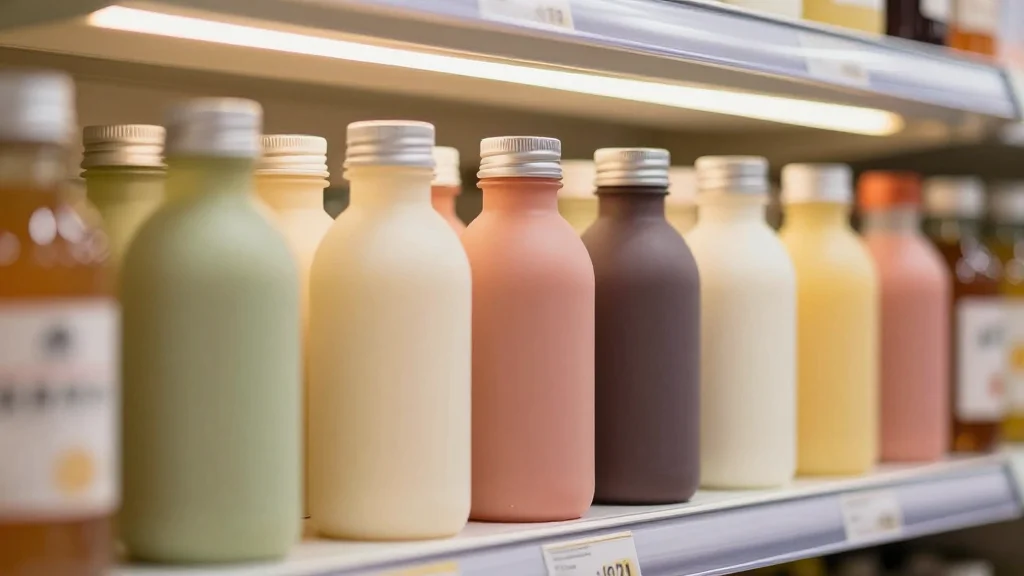
- •Retailers are redesigning aisles to give premium placement to high‑margin functional SKUs.
Pulse Analysis
The functional‑drink surge is more than a fleeting trend; it marks a structural reallocation of consumer spend from traditional sodas to purpose‑driven beverages. Historically, the carbonated soft‑drink market peaked in the early 2000s before a steady decline driven by health concerns. The current wave leverages the same distribution networks but adds a wellness narrative that resonates with post‑pandemic shoppers. Companies that can integrate functional claims with credible science will likely dominate, as regulatory scrutiny intensifies around adaptogens and novel ingredients.
From a competitive standpoint, the arms race is creating a two‑tiered landscape. On one tier, legacy giants like PepsiCo and Coca‑Cola are leveraging acquisition capital and scale to roll out functional extensions across existing brands, effectively turning their massive distribution reach into a launchpad. On the other tier, agile startups and celebrity‑backed brands are experimenting with niche formulations that can quickly capture trend‑savvy consumers. The tension between these approaches will shape pricing dynamics: legacy brands may push premium pricing based on brand trust, while startups could undercut with innovative, lower‑cost formats.
Looking ahead, the sector's growth hinges on three variables: consumer education, ingredient validation, and retail shelf economics. If retailers can effectively educate shoppers on the benefits and safety of functional ingredients, the category could sustain its projected double‑digit growth. Conversely, any high‑profile safety incident or regulatory clampdown could stall momentum and force a recalibration of product pipelines. For investors and retailers alike, the key will be to balance rapid innovation with rigorous validation, ensuring that the functional‑drink boom translates into lasting market share rather than a short‑lived hype cycle.
Functional‑Drink Market Poised to Hit $200 Billion, Sparking Retail Shelf War
Comments
Want to join the conversation?
Loading comments...