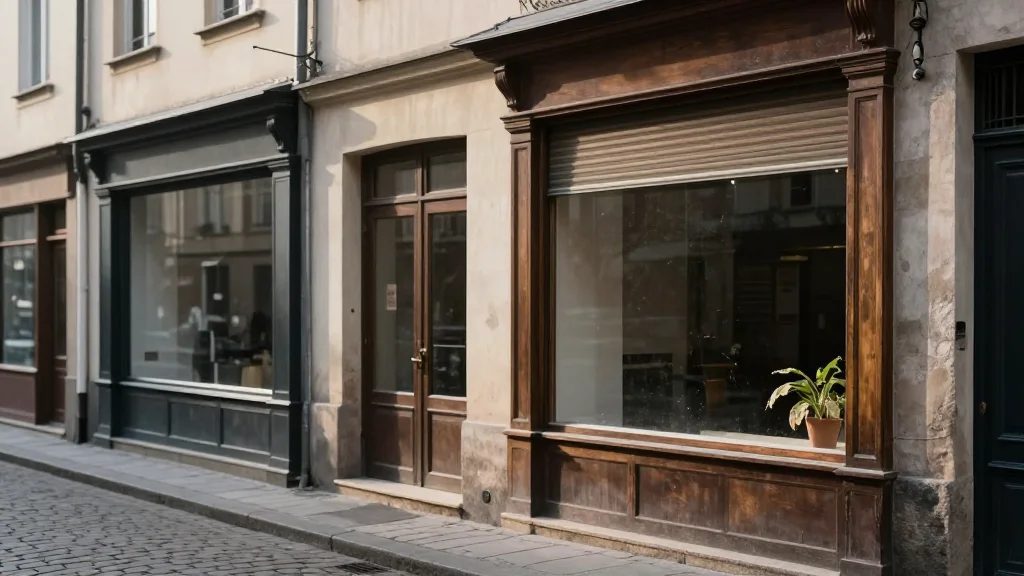
Germany’s Small Retail Sector Shrinks by 28% Since 2010, Losing 65,000 Stores

Why It Matters
The erosion of Germany’s small‑format retail sector has broader economic and social repercussions. Small shops generate a disproportionate share of local employment and contribute to the vibrancy of city centers, which in turn attract tourism and ancillary services. Their disappearance weakens municipal tax bases, strains public finances and can accelerate urban decay. Moreover, the shift toward discount chains consolidates market power, potentially limiting consumer choice and driving down wages in the sector. From a policy perspective, the data underscore the urgency of targeted interventions—energy cost caps, payroll tax adjustments and flexible leasing models—to preserve the diversity of the retail ecosystem. Failure to act could set a precedent for other European economies facing similar demographic and cost pressures, reshaping the continent’s retail landscape for a generation.
Key Takeaways
- •65,000 small retail stores closed in Germany since 2010, a 28% drop to 170,770 in 2025
- •Bankruptcies rose 9% in 2025, with 2,440 retailers filing for insolvency
- •Discount chains captured 85% of German shoppers in the past two years
- •HDE President Alexander von Preen calls for lower energy costs, payroll tax cuts and revenue‑based rents
- •Institute for Retail Research warns empty storefronts damage city‑center foot traffic and municipal revenues
Pulse Analysis
The German small‑retail decline is not merely a statistical footnote; it reflects a convergence of macro‑economic stressors and structural market shifts. Inflation and energy price spikes have eroded disposable income, while the EU’s regulatory burden—highlighted in parallel analyses of German bureaucracy—adds compliance costs that disproportionately affect low‑margin operators. The rapid expansion of discount chains, fueled by aggressive pricing and efficient supply chains, has re‑defined consumer expectations, leaving niche retailers scrambling for relevance.
Historically, Germany’s Mittelstand has been lauded for its resilience, but the current data suggest that resilience is being tested beyond traditional thresholds. The loss of 65,000 stores translates into thousands of jobs and a palpable change in the urban experience. Cities that once thrived on a mosaic of independent bakeries, bookshops and specialty boutiques now risk becoming homogenized corridors dominated by a handful of low‑price players. This homogenization can diminish the cultural capital that makes German towns attractive to both residents and tourists.
Looking ahead, the policy response will be decisive. If the HDE’s recommendations—energy subsidies, payroll tax relief, and flexible leasing—are implemented, they could provide a short‑term buffer that allows small retailers to invest in digital tools and differentiated offerings. However, without a longer‑term strategy that addresses the underlying cost structure and competitive dynamics, the sector may continue its downward trajectory, potentially prompting a wave of consolidation or even foreign acquisition of remaining independent stores. Stakeholders—from municipal planners to national policymakers—must weigh the immediate fiscal pressures against the long‑term health of Germany’s retail fabric.
Germany’s Small Retail Sector Shrinks by 28% Since 2010, Losing 65,000 Stores
Comments
Want to join the conversation?
Loading comments...