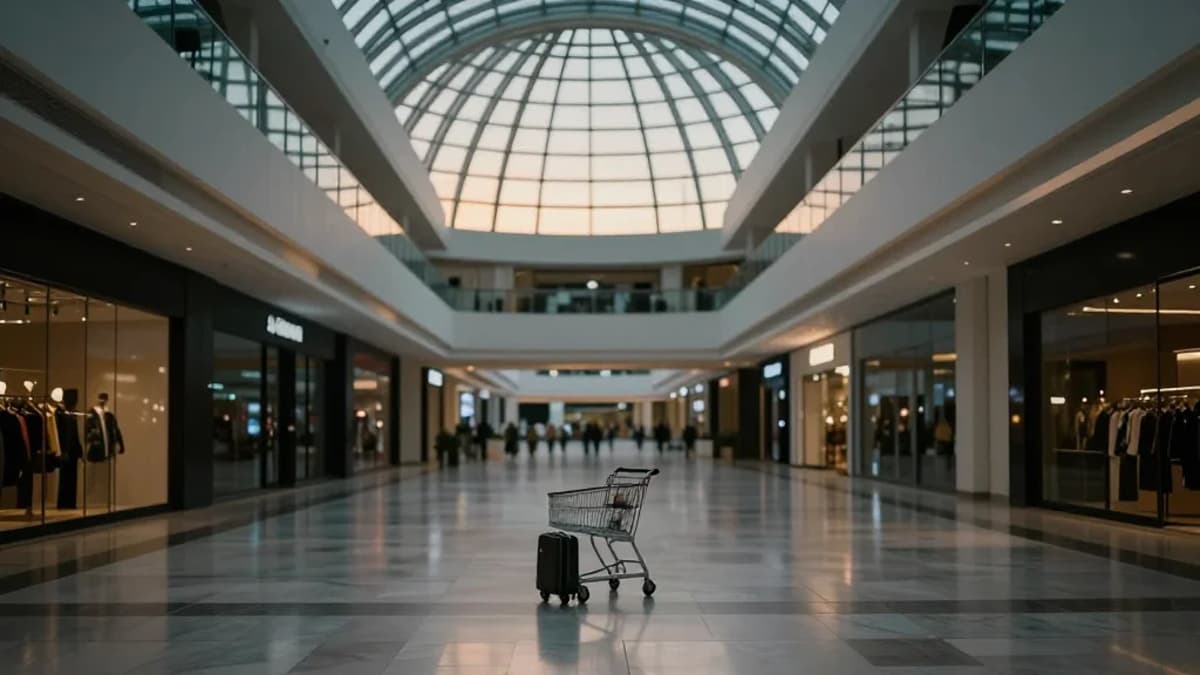
Global Brands Shut Middle East Stores as Conflict Causes Chaos
•March 3, 2026
0
Why It Matters
The disruption threatens luxury revenue streams and broader consumer‑goods sales, highlighting geopolitical risk for brands reliant on Middle Eastern tourism and spending.
Key Takeaways
- •Luxury store closures span UAE, Kuwait, Bahrain, Qatar
- •Luxury stocks down 4‑6.5% on conflict news
- •Tourism‑retail market worth $5‑6 billion at risk
- •Brands shift to voluntary staffing, remote work policies
- •Primark, Apple, H&M adjust expansion plans amid uncertainty
Pulse Analysis
The sudden escalation of hostilities between Israel, the United States and Iran has forced retailers across the Gulf to rethink daily operations. Major shopping destinations such as Dubai Mall and Mall of the Emirates now run with skeleton crews, while some locations have fully closed. Companies like Chalhoub Group are relying on volunteers, and multinational chains such as Apple and H&M have temporarily suspended storefronts. This rapid response underscores how quickly geopolitical shocks can translate into operational constraints for even the most resilient retail networks.
Luxury firms feel the pain most acutely. Kering announced closures in four Gulf states and suspended travel, while LVMH’s flagship Louis Vuitton exhibition was halted amid falling share prices for LVMH, Hermès and Richemont. The region, which contributed 5‑10% of global luxury spend and was the sector’s top growth driver last year, now faces a tourism blackout that could erase hundreds of millions in revenue. Analysts estimate that a month‑long shutdown of the $5‑6 billion travel‑retail market would directly impact sales pipelines for high‑end handbags, watches and cosmetics, with ripple effects on European luxury demand as affluent Middle Eastern shoppers stay home.
Beyond immediate losses, the crisis forces brands to reassess geographic diversification and risk mitigation strategies. Companies are accelerating contingency planning, from remote work policies for regional staff to flexible supply‑chain arrangements that can bypass disrupted airports. New entrants like Primark, which had slated multiple store openings, are now adopting a wait‑and‑see approach, signaling that even mass‑market players recognize the volatility. In the longer term, investors will likely demand greater transparency on exposure to conflict zones, prompting firms to balance the allure of high‑growth Middle Eastern markets against the potential cost of sudden geopolitical upheaval.
Global brands shut Middle East stores as conflict causes chaos
0
Comments
Want to join the conversation?
Loading comments...