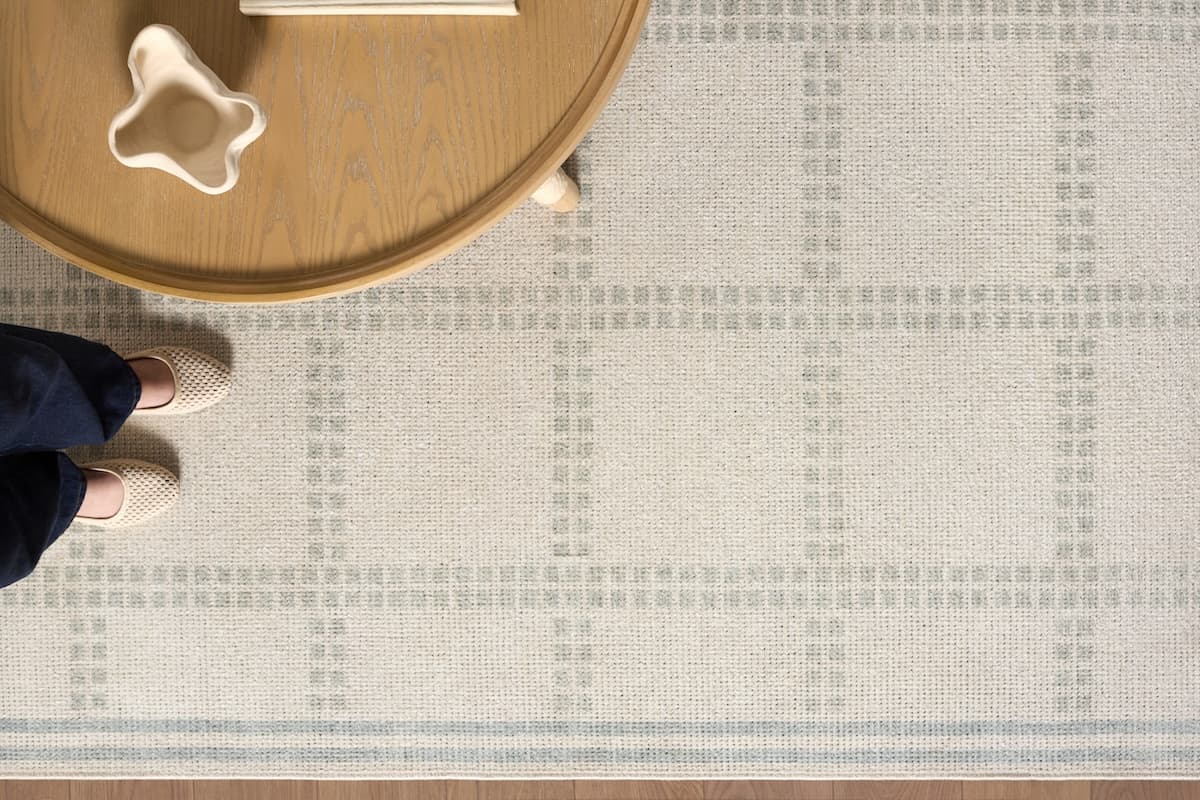
Havenly Has Been on an Acquisition Streak in the Home Space. Now, It’s Launching a Brand of Its Own
Companies Mentioned
Why It Matters
Weft gives Havenly a direct‑to‑consumer revenue stream and a low‑risk way to boost conversion in a home‑furnishings market still pressured by tariffs and soft consumer spending.
Key Takeaways
- •Weft rugs priced $149‑$649, 1/3 machine‑washable, others hose‑cleanable.
- •Manufactured in Turkey, avoiding higher tariffs on Indian‑origin rugs.
- •Leverages Havenly’s existing tech stack and supply‑chain network.
- •Targets gap between expensive delicate rugs and cheap rough options.
- •Competes with Ruggable, Safavieh, Loloi, and Ernesta.
Pulse Analysis
Havenly’s evolution from an online interior‑design service to a multi‑brand home‑goods conglomerate has been defined by strategic acquisitions. By buying The Citizenry, The Inside, Interior Define and Burrow, the company built a diversified portfolio and a robust logistics backbone. The launch of Weft marks a logical next step: an internally created product line that can be rolled out quickly using the same e‑commerce infrastructure, allowing Havenly to capture margin that would otherwise go to third‑party manufacturers.
Weft’s value proposition hinges on durability and affordability. Priced between $149 and $649, the rugs are designed for everyday life—one‑third are machine‑washable, while the rest can be hosed down or spot‑cleaned. Production in Turkey mitigates exposure to the 50% tariffs imposed on many Indian‑origin home goods, keeping costs predictable. By addressing a common consumer pain point—fear of committing to a rug that stains or wears out—Havenly hopes to improve conversion rates among both design‑savvy clients and budget‑conscious shoppers.
The rug market is crowded, with players like Ruggable, Safavieh, Loloi and Ernesta vying for the same price‑sensitive segment. Weft’s differentiation lies in leveraging Havenly’s design expertise and its existing supply‑chain efficiencies, which could translate into higher margins than typical marketplace listings. If the brand gains traction, it may signal a broader shift for home‑furnishings firms toward private‑label, vertically integrated products as a hedge against tariff volatility and lingering consumer hesitancy. Success could also encourage further internal incubations, reinforcing Havenly’s position as a full‑stack interior‑design and product powerhouse.
Havenly has been on an acquisition streak in the home space. Now, it’s launching a brand of its own
Comments
Want to join the conversation?
Loading comments...