Health and Beauty Brief: The Ordinary Donates to Second Harvest, Loblaw on GLP-1 Growth
Companies Mentioned
Why It Matters
The Ordinary’s stunt spotlights inflated pricing while supporting food insecurity, and Loblaw’s exposure to cheaper GLP‑1 drugs could reshape pharmacy margins and broaden consumer access to weight‑loss medication.
Key Takeaways
- •The Ordinary's pop‑up sold food at inflated “luxury” prices to highlight markups
- •Over $100,000 CAD (~$74k USD) donated to food banks across six cities
- •Toronto pop‑up food rescued by Second Harvest; $25k CAD (~$18.5k USD) matched
- •Health Canada approved generic semaglutide, potentially cutting price to ~$350 CAD (~$260 USD)
- •Loblaw expects GLP‑1 sales to boost margins, but generic impact remains uncertain
Pulse Analysis
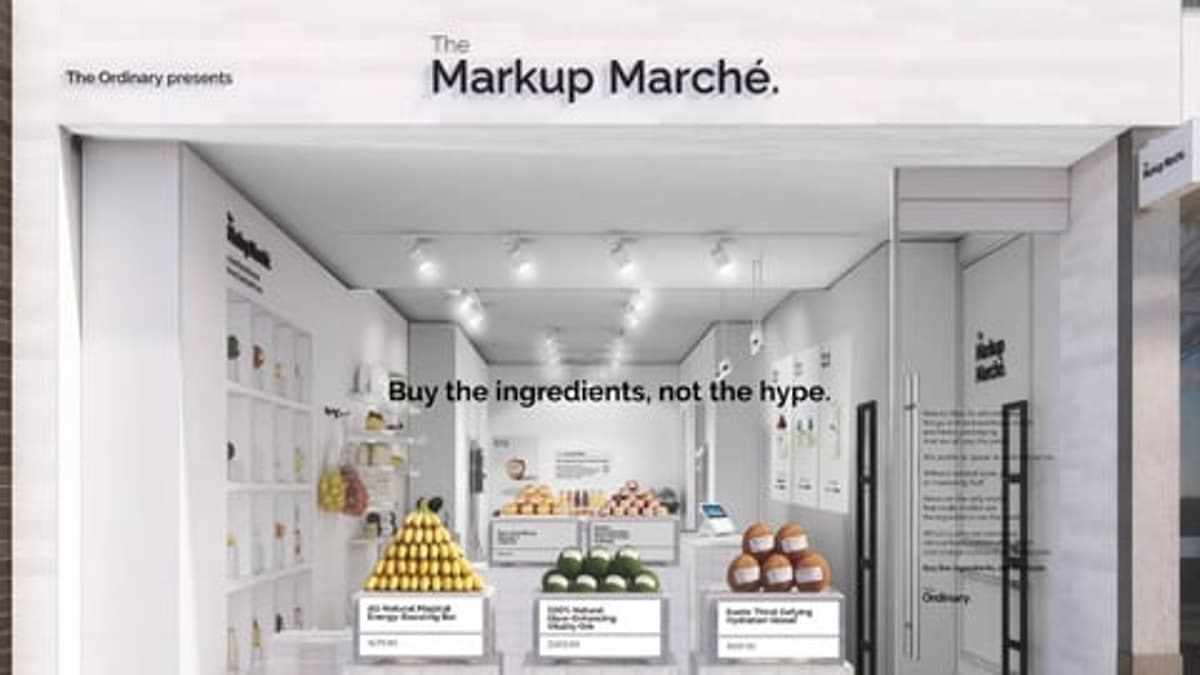
The Ordinary’s Markup Marché pop‑up turns a grocery aisle into a tongue‑in‑cheek critique of the beauty sector’s price inflation. By rebranding avocados and bananas with extravagant descriptors and price tags, the brand forces shoppers to confront the gap between perceived luxury and everyday value. The initiative is paired with a substantial charitable component—over $100,000 CAD per city for food‑bank partners and a $25,000 CAD donation in Toronto, matched up to $10,000 CAD, with all surplus food rescued by Second Harvest—demonstrating a blend of activism and corporate responsibility that resonates with socially conscious consumers.
The approval of a generic semaglutide version marks a pivotal shift in the Canadian GLP‑1 market. Previously dominated by brand‑name Ozempic at premium pricing, the generic could bring the cost down to roughly $350 CAD per prescription, translating to about $260 USD, making the therapy more accessible to a broader patient base. This price compression is likely to spur increased adoption among diabetics and individuals seeking weight‑loss solutions, while also prompting insurers and pharmacy benefit managers to renegotiate reimbursement rates, potentially reshaping the overall pharmaceutical pricing landscape.
For Loblaw Companies, the burgeoning demand for GLP‑1 drugs presents both an opportunity and a risk. Strong sales have already bolstered same‑store revenue and contributed positively to gross margin, but the entry of a lower‑priced generic introduces uncertainty around future profitability. The retailer’s CFO acknowledges that while margins appear stable now, the precise impact will hinge on how quickly the generic captures market share and how pricing strategies evolve. As Canadian consumers benefit from reduced drug costs, Loblaw must balance competitive pricing with maintaining its pharmacy margin, a dynamic that will likely influence its broader retail strategy in the coming quarters.
Health and beauty brief: The Ordinary donates to Second Harvest, Loblaw on GLP-1 growth
Comments
Want to join the conversation?
Loading comments...